Former and current South Ossetian leaders hit by UK sanctions on Russia
The United Kingdom expanded its sanctions against Russia on 1 October. The new package comprises 31 measures targeting 23 individuals and entities and eight vessels. London said the sanctions target, among other things, sources of funding for Russia’s military campaign, pro-Kremlin information networks and individuals linked to human rights violations in territories of Ukraine occupied by Russia.
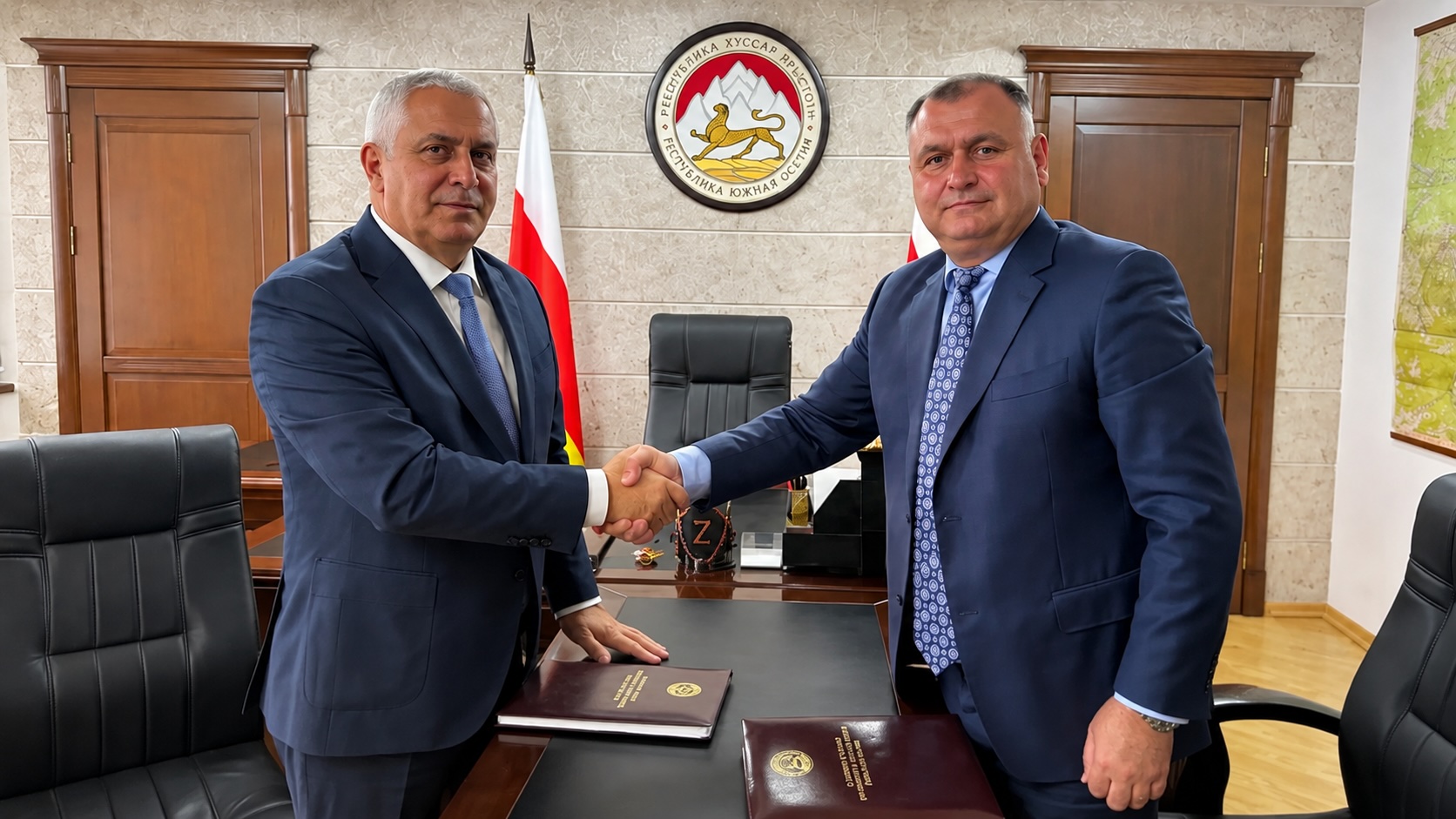
Among those newly sanctioned are former South Ossetian leader Alan Gagloev and the region’s current head, Marat Kambolov. Russian political strategist Sergei Tolmachev, who is also linked to South Ossetia, was sanctioned alongside them. The British Embassy in Georgia separately explained the inclusion of the three men in the context of Russia’s policy towards Georgian territories.
“Russia’s aggression against Ukraine is part of a broader pattern of disregard for the sovereignty, territorial integrity and internationally recognised borders of its neighbours, including Russia’s ongoing occupation of the Georgian regions of Abkhazia and South Ossetia.
The United Kingdom condemns Russia’s continued attempts to entrench its illegal control over Georgia’s occupied regions, including the so-called presidential election in South Ossetia on 18 September and further steps towards de facto annexation. We remain steadfast in our support for Georgia’s sovereignty and territorial integrity within its internationally recognised borders and will continue to hold Russia accountable for its actions.”
The formal grounds for the sanctions against Gagloev and Kambolov, however, differ.
Alan Gagloev headed South Ossetia from 2022. In June 2026, he stepped down and became an adviser to Russian President Vladimir Putin. The British sanctions list cites this position as the basis for the restrictions imposed on him.
The UK authorities give the following reason:
“Alan Eduardovich Gagloev is or has been involved in obtaining a benefit from or supporting the Government of Russia by working as an adviser to the President of the Russian Federation.”
South Ossetia’s current leader, Marat Kambolov, was sanctioned on different grounds. The British authorities linked him to the Kurchatov Institute National Research Centre, where he held a senior position.
The sanctions designation states:
“Marat Kambolov has obtained a benefit from the Government of Russia by working as a director — executive or non-executive, trustee or other manager or person performing similar functions — of the Kurchatov Institute during the period from 2015 to 2025, which is an entity carrying on activity in the Russian energy sector.”
The same document describes the Kurchatov Institute as an “organisation connected with the Government of Russia”.
The UK has presented the new package primarily as part of its pressure campaign against Russia over its war against Ukraine. In an official statement, London said the new targets include people linked to Russian disinformation, including activities in Russian-installed authorities in occupied territories.
“Russia continues to wage a disinformation war across the world, using a network of faceless internet bots and trolls to influence democratic processes and spread disinformation. The Kremlin spends around £1.3 billion a year manipulating information, posing a threat to the security of Europe and the UK. Today’s package targets seven individuals, including four Georgian nationals, involved in spreading pro-Kremlin disinformation — from legitimising Russia’s occupation of Ukrainian territory to working in Russian-installed authorities in occupied South Ossetia.”
The British government stressed, however, that the new package extends beyond information operations:
“Today’s measures demonstrate the UK’s determination, alongside its partners, to hold accountable those responsible for the Russian state’s aggression against Ukraine, restrict revenues supporting its war effort, and protect the security of Ukraine, the UK and Europe.”
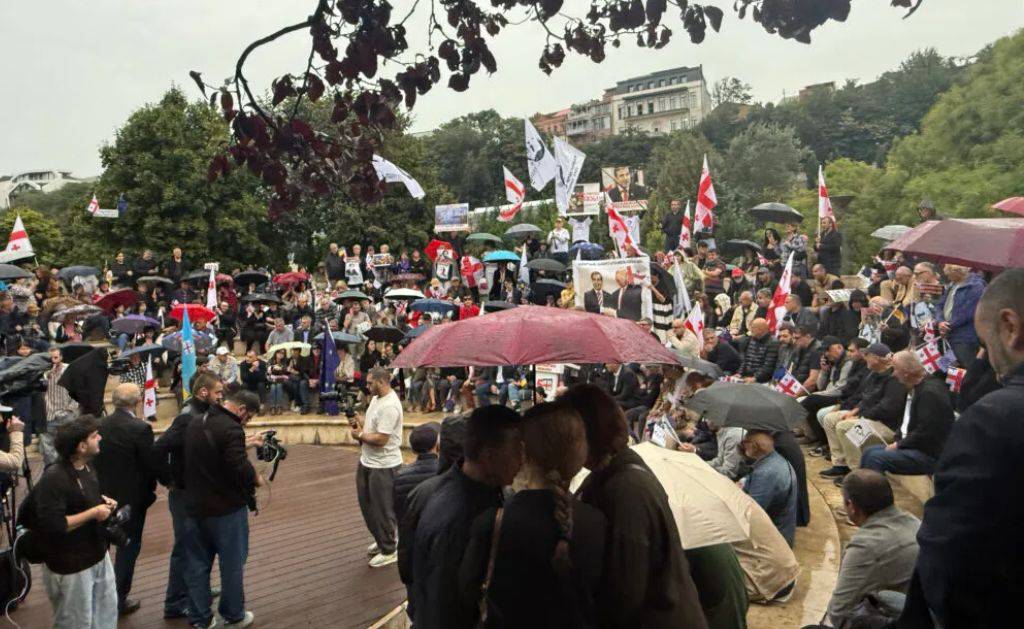
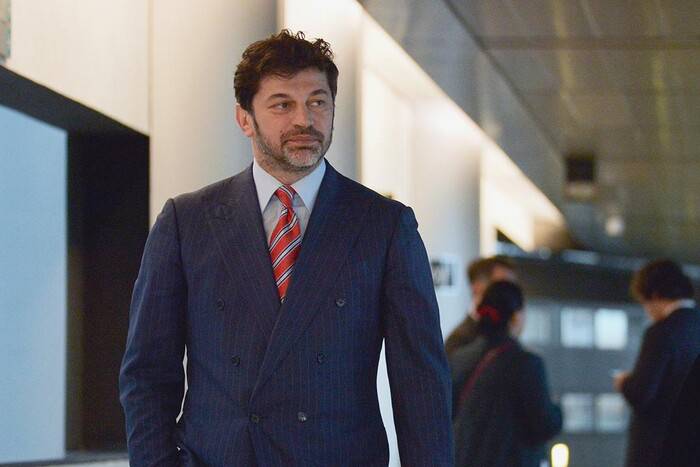
The UK sanctions list also includes four pro-Russian Georgian figures: Mamuka Pipia, leader and international secretary of the Solidarity for Peace party; Giorgi Iremadze, a member of the same party’s political council; Nikoloz Mzhavanadze, founder of a Georgian news agency accredited by Russia’s Foreign Ministry; and Paata Abuladze, a political and military commentator and the husband of Tbilisi Mayor Kakha Kaladze’s half-sister.
The sanctions were imposed over their visit to Russian-occupied Donetsk in autumn 2025. They were part of a delegation that met with the head of the so-called Donetsk People’s Republic. Following the visit, according to the British authorities, the four publicly reported on the trip and promoted Kremlin narratives.