Chechen family of six faces deportation from Germany to Russia
A Chechen family with four children faces deportation from Germany after its asylum application was rejected, raising concerns among human rights advocates that the family could face persecution if returned to Russia.
The Abuyev family, who fled Chechnya, has been ordered to leave Germany after authorities denied their request for international protection. According to human rights activist Roza Dunaeva, the father spent several years in a Chechen prison before the family left Russia.
"The consequences of a wrongful decision can be irreversible if a person faces persecution upon return," Dunaeva told Kavkaz.Realii in an exclusive interview. "We are calling for justice, transparency, an individual assessment of every case, a comprehensive evaluation of all relevant circumstances, and full respect for human rights."
The family's four children range in age from 10 to 22.
Dunaeva said members of the Chechen diaspora in Germany have reported a marked shift in the country's asylum policy toward ethnic Chechen applicants. Official figures appear to reflect that trend.
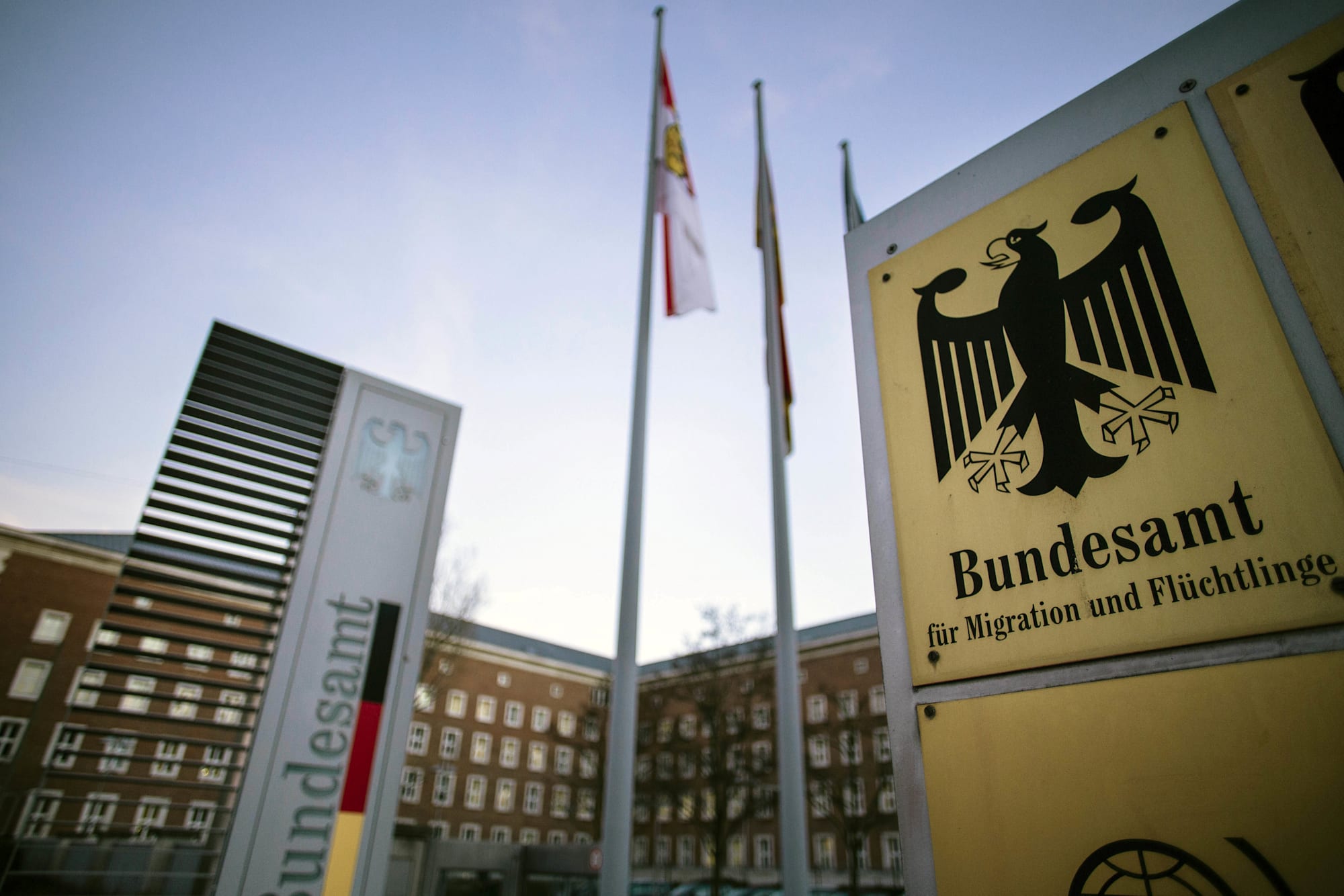
According to Germany's Federal Office for Migration and Refugees (BAMF), 21.1% of asylum applications filed by ethnic Chechens were approved in 2023. Between January and November 2025, the approval rate fell to 3.9%—more than five times lower.
Human rights groups say the tougher approach extends beyond Germany. Since Russia launched its full-scale invasion of Ukraine in 2022, they say asylum seekers from the North Caucasus have increasingly faced the risk of deportation from several European countries.
Representatives of the Chechen diaspora are urging European governments to assess each asylum case individually and refrain from returning applicants to Russia where they may face persecution.
According to human rights advocates, more than 20 people from the Caucasus have been killed after being deported to Russia.
The Abuyev family's case may ultimately hinge on whether German authorities adequately assessed both the reasons they fled Chechnya and the potential risks they would face if returned to Russia.