Death Toll From Drone Attack on Russia’s Rostov-on-Don Rises to Five
The death toll from a nighttime drone attack on the southern Russian city of Rostov-on-Don on July 27 has risen to five, including a child, according to Rostov Region Governor Yury Slyusar.
Slyusar said rescue workers recovered the bodies of three more victims—two adults and a child—from the rubble of a damaged apartment building. Authorities had earlier reported that a married couple had been killed in the attack.
Five other people were injured, officials said. Two of the wounded, including a teenager, remain in serious condition. Four victims were taken to hospital, while another received medical treatment at the scene.
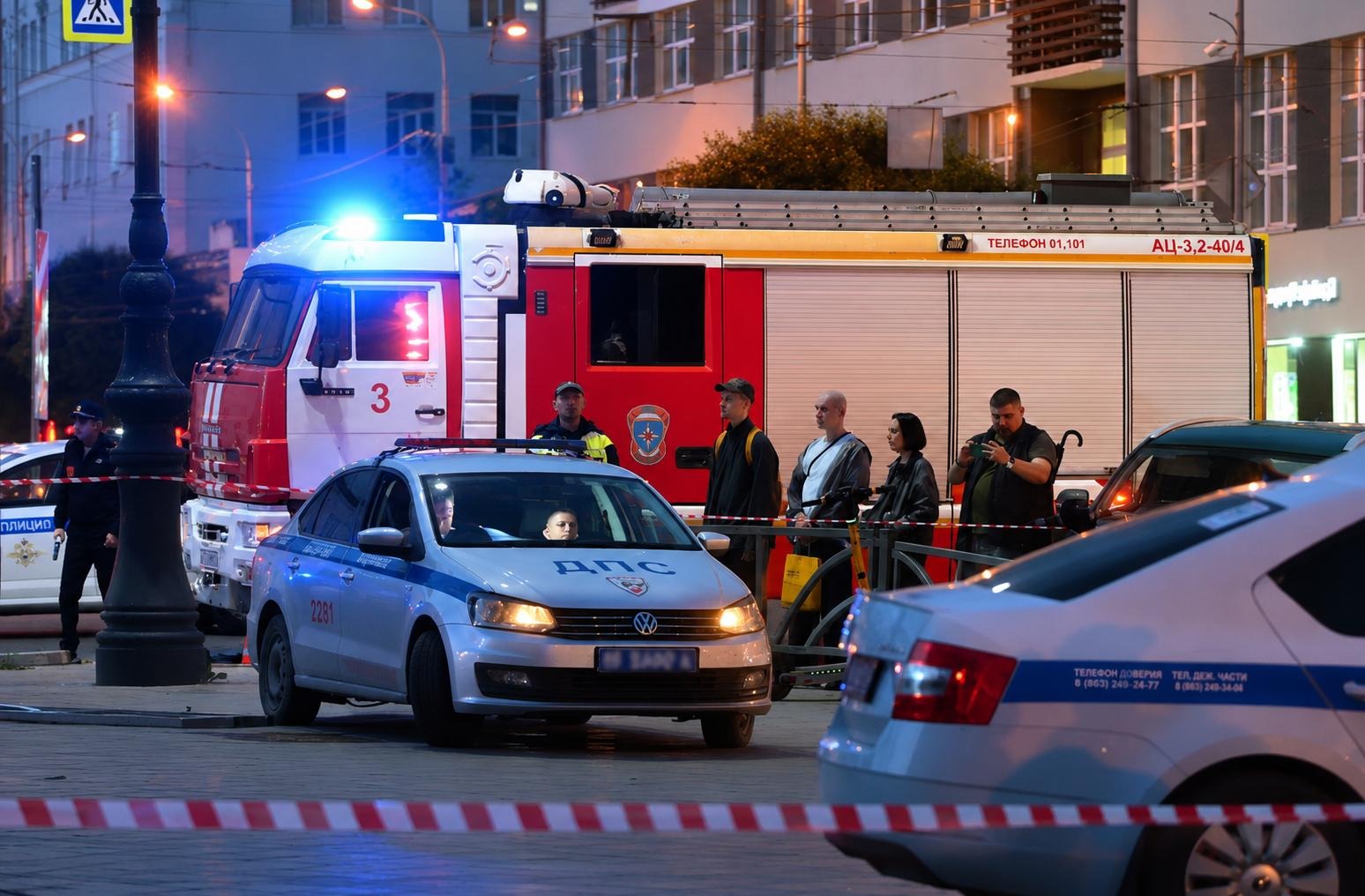
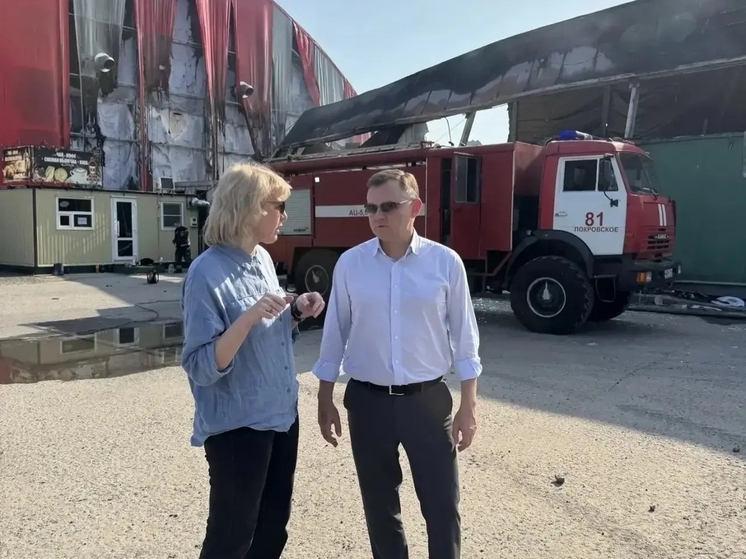
Damage was reported in the Zheleznodorozhny, Leninsky and Proletarsky districts of Rostov-on-Don. According to regional authorities, fires broke out after drones fell on the grounds of a private enterprise, warehouse facilities, several residential buildings and areas near other homes. A number of vehicles also caught fire.
Windows were damaged in private homes, on the upper floors of a multi-storey residential building and at a social services facility. Emergency crews continued clearing debris and dealing with the aftermath of the attack.
Russia’s Defence Ministry said air defence systems intercepted and destroyed 276 drones over several Russian regions overnight. According to the ministry, the intercepted drones included those over the Rostov region, Krasnodar Territory, and the waters of the Black and Azov seas.
Drone attacks targeting southern Russia have occurred regularly since 2022. In addition to the Rostov region, strikes have been reported in Krasnodar Territory, Chechnya, North Ossetia and Dagestan, as well as over the Black and Azov seas.
In June 2026, Ukrainian President Volodymyr Zelenskyy said Kyiv would continue expanding the range of its long-range drone strikes against targets inside Russia. He said new Ukrainian drones would be capable of striking targets more than 3,000 kilometres away and identified defence industry facilities, oil refineries, fuel depots, gas storage sites and other military infrastructure as priority targets.