Case over children’s poisoning in Dagestan reaches court

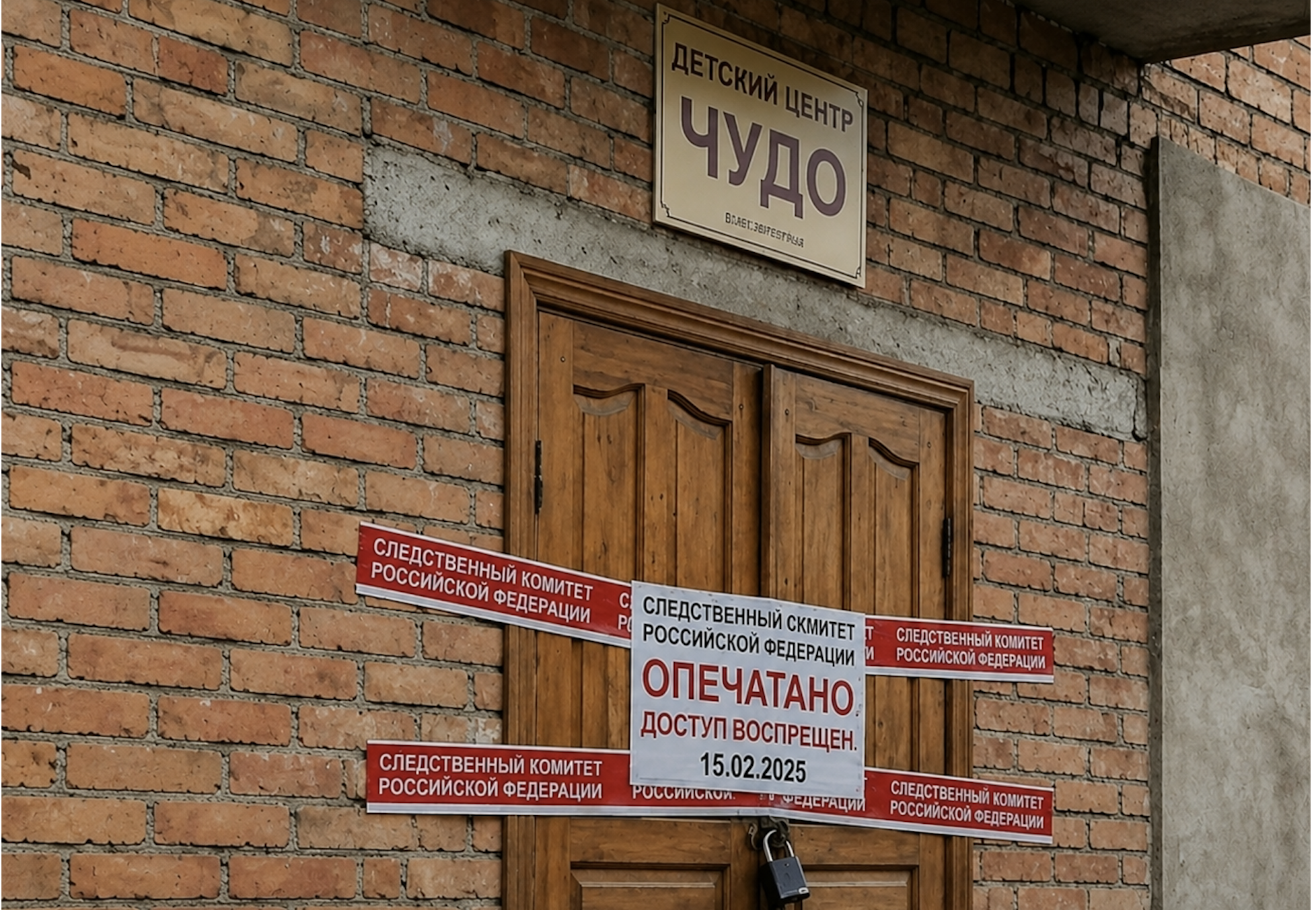
In Dagestan’s Karabudakhkent District, a criminal case against the head of the private Chudo kindergarten in the village of Paraul, where 10 children suffered carbon monoxide poisoning in February, has been sent to court, the republic’s prosecutor’s office said.

The woman is accused of providing services that failed to meet safety requirements for consumers’ lives and health. The case will be heard by the Karabudakhkent District Court.

According to investigators, the kindergarten’s head personally installed an open-type gas stove burner on the premises, although such equipment is permitted only in non-residential open spaces.

Investigators found that the building had no ventilation ducts, the gas equipment was not properly monitored and the required inspections had not been carried out. As a result, combustion products accumulated inside the building.

The incident occurred on February 2. Ten children attending the kindergarten were hospitalised with carbon monoxide poisoning. By February 4, all of them had been discharged from hospital.

Following the incident, Rospotrebnadzor, Russia’s consumer protection watchdog, closed and sealed the childcare centre and also asked a court to suspend its operations.

An inspection also found that the single-storey building rented by the businesswoman to house the kindergarten had been constructed without the required permits. The prosecutor’s office asked a court to order the demolition of the building.

Dagestan saw another incident at a preschool earlier this year. On January 14, a fire completely destroyed the Uylybka kindergarten and auxiliary buildings in the village of Karata in Akhvakhsky District. A short circuit was cited as one possible cause. The building’s automatic fire alarm system was not functioning at the time of the fire.
Последние новости
Crimean Tatar political prisoner, sentenced to 17 years in a
Human rights
Crimean Tatar political prisoner, sentenced to 17 years in a "Hizb ut-Tahrir" case, dies in a Murmansk penal colony
29 November 2026

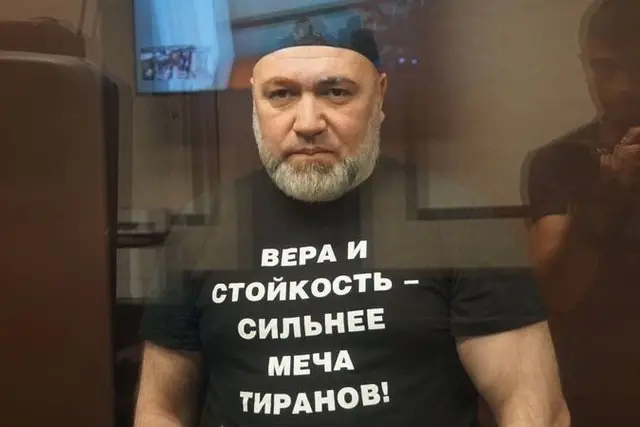
Jebbar Bekirov, a 56-year-old Crimean Tatar political prisoner, has died in a Russian penal colony in the Murmansk region. He was serving a 17-year sentence in connection with the case of the so-called "second Sevastopol group" of Hizb ut-Tahrir. His death was announced on November 28 by Eskender Bariiev, head of the Crimean Tatar Resource Center (CTRC). The cause of death is not yet known.

Mother of Ossetian athlete who went missing in Dagestan asks Elon Musk to check satellite data
Society
Mother of Ossetian athlete who went missing in Dagestan asks Elon Musk to check satellite data
29 November 2026

Diana Tsomartova, the mother of Anna Tsomartova—an athlete who went missing in Dagestan—has appealed to American entrepreneur Elon Musk for help in the search for her daughter. She hopes that satellites or other space-based assets belonging to his companies might have captured events that took place along the Caspian Sea coast on the day the young woman disappeared.

Tsarukyan’s party challenges Armenian election results in courts in Yerevan and Strasbourg
Politics
Tsarukyan’s party challenges Armenian election results in courts in Yerevan and Strasbourg
29 November 2026

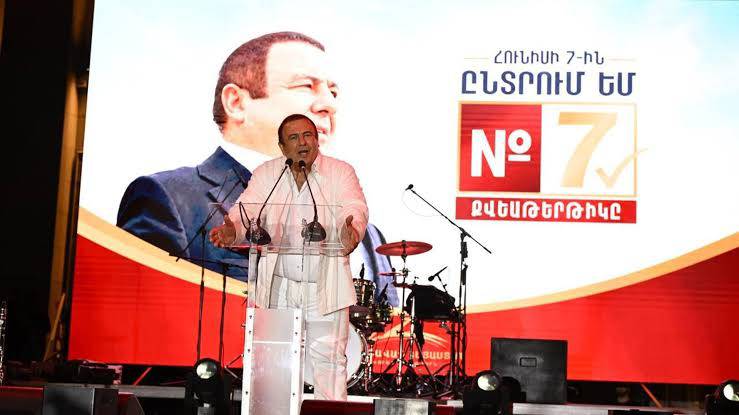
The opposition "Prosperous Armenia" party, led by businessman Gagik Tsarukyan, has filed three new appeals with the Constitutional Court of Armenia and submitted an application to the European Court of Human Rights (ECHR) regarding the results of the June 7 parliamentary elections. The party asserts that errors during the vote count and decisions made by the Central Election Commission (CEC) deprived it of parliamentary representation.

Mass protest in Tbilisi marks two years since Georgia froze its EU accession process
Society
Mass protest in Tbilisi marks two years since Georgia froze its EU accession process
28 November 2026

A large-scale anti-government demonstration is taking place in Tbilisi this evening, marking the second anniversary of the start of sustained pro-European protests. Over the past two years, hundreds of protesters have been detained, dozens have been imprisoned, relations between Tbilisi and Brussels have deteriorated sharply, and five leading opposition parties are facing a possible ban.