Fuel shipments from the Tbilisi-controlled part of Georgia to Abkhazia have sparked a new political conflict in the country. The opposition believes that Moscow and the ruling "Georgian Dream" party are behind the gasoline shipment. Authorities, however, insist that the fuel was supplied by private business and that the trade itself does not violate Georgian law.
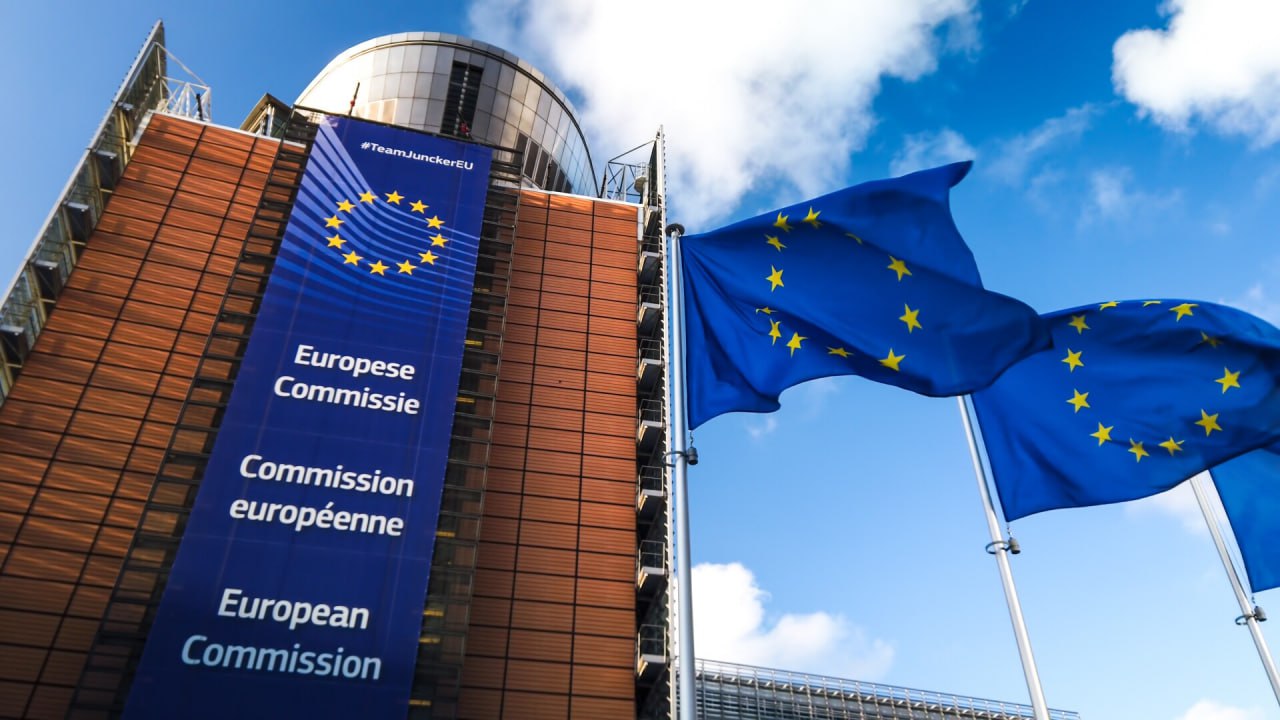
The freeze on EU financial support to Georgia may be extended until 2026, the European Commission announced. Member of the European Parliament, Tomasz Zdechovský, emphasized that a complete halt to funding is not planned, but that significant allocations to the country next year are unlikely without clear changes in the country's political situation.
The loss of more than €120 million in financial assistance, according to the MEP, is due to serious concerns about Georgia's retreat from democratic principles and problems with the rule of law. Doubts are also being expressed about the country's ability to join the EU by 2030.
"The current political trajectory, the lack of key reforms, and unresolved territorial conflicts make such a scenario unrealistic. Candidate status does not guarantee accession, and this process typically takes many years," Zdechovský noted.