Von der Leyen in Baku: EU intends to deepen partnership with Azerbaijan
During her visit to Azerbaijan, European Commission President Ursula von der Leyen announced the EU's intention to expand cooperation with Baku. According to her, Brussels expects to strengthen the partnership in several areas—from trade and transport to energy and the economy.
"The EU believes in a bright future for the South Caucasus—peaceful and prosperous. We want to help build it. I am also here to deepen the partnership between the EU and Azerbaijan—from trade and transport to energy and the economy," von der Leyen wrote on the social media platform X.
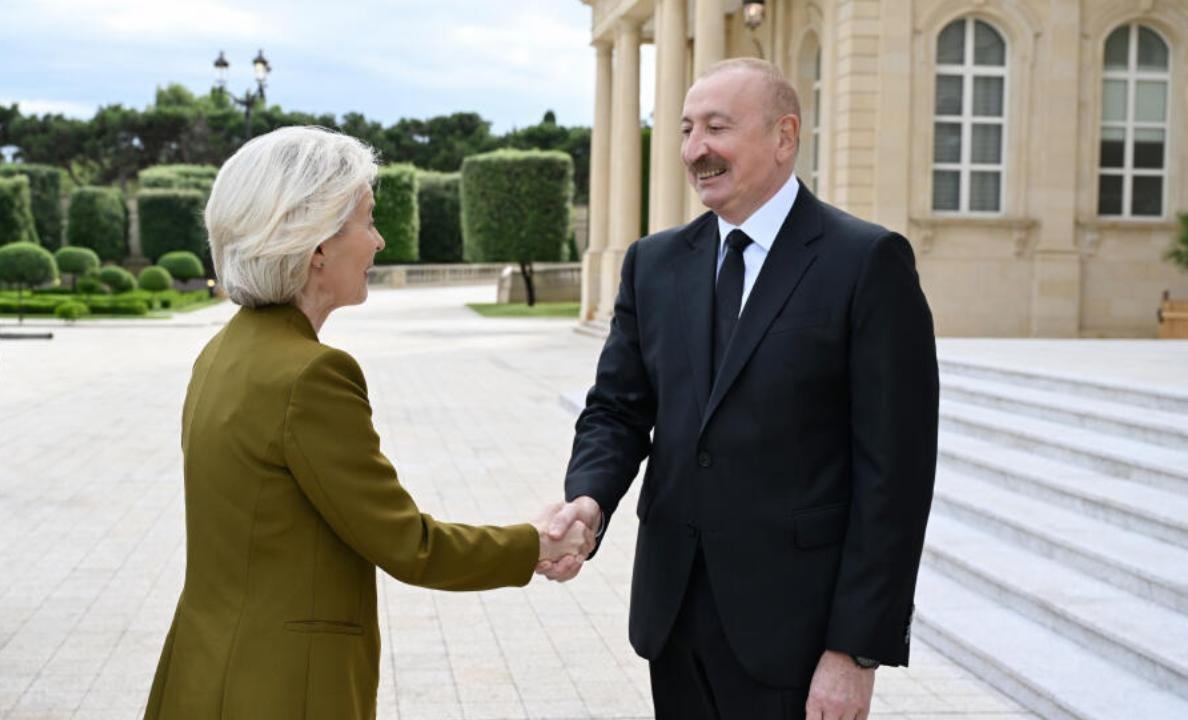
The EC President arrived in Azerbaijan on a working visit on July 1. That same day, she held a one-on-one meeting with Azerbaijani President Ilham Aliyev. The presidential press service reported on the talks. Details of the meeting and the agreements reached have not yet been disclosed.
Brussels' intensified contacts with Baku come amid the EU's desire to diversify its energy supplies after reducing its dependence on Russian resources. The EU also views Azerbaijan as an important participant in the Middle Corridor, which connects Europe with Central Asia bypassing Russia, and cooperation with Baku fits into a broader strategy of strengthening the EU's influence in the South Caucasus.
Furthermore, on the eve of the EC President's visit to Baku, international and Azerbaijani human rights organizations called on the EU leadership to raise the issue of political prisoners and freedom of speech in the country. However, the public agenda of the trip focused primarily on the economy, energy, and transport.