Kadyrov will not lead United Russia into the Duma for the first time – he "can afford it"
United Russia has formed regional groups for the upcoming elections. As in previous campaigns, the party lists in most Russian regions are headed by incumbent regional leaders – from Tatarstan head Rustam Minnikhanov to acting Dagestan head Fyodor Shchukin.
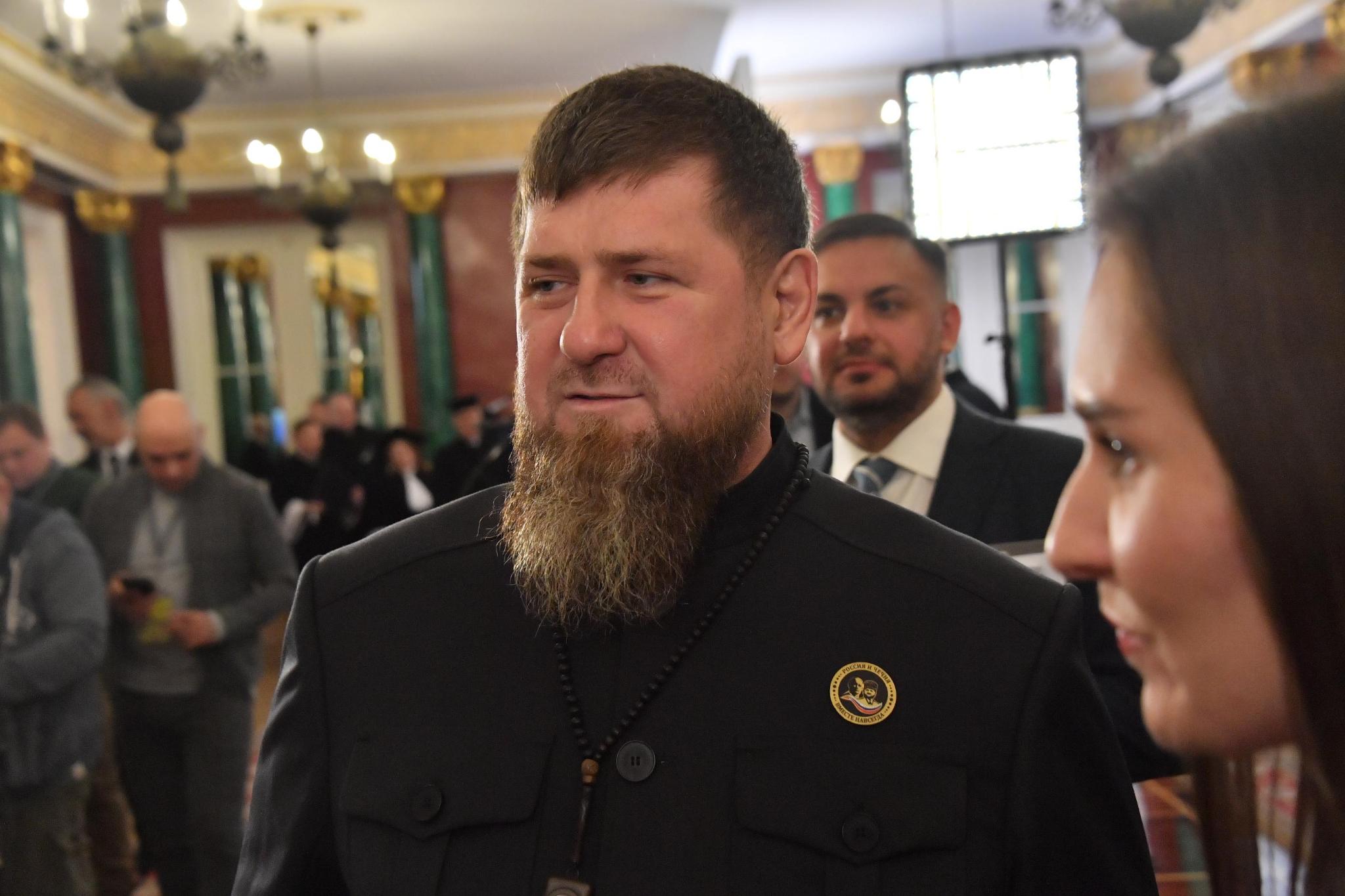
Chechnya stands out against this backdrop. Regional group No. 57 is headed by State Duma deputy Shamsail Saraliev, and Ramzan Kadyrov's name is absent from the list.
For Chechnya, this situation appears unprecedented, as Kadyrov has consistently been the face of the ruling party's regional list in the 2007, 2011, 2016, and 2021 elections. His participation was perceived not just as a formality, but as a demonstration of the republic's special political weight and its leader's personal role in the federal system.
The reason for a different decision this time has not been officially explained. However, against the backdrop of the practice in which the majority of regional heads across the country continue to top United Russia's party lists, especially the heavyweight governors, the head of Chechnya is the longest-serving of them all.
This is precisely why Kadyrov's absence from the ruling party's list for the parliamentary elections scheduled for this fall appears to be a significant change in established political ritual, rather than simply a technical detail of the campaign.
However, this may only be the impression one gets at first glance, and one should not read any "deep hidden meaning" into it, a Brussels-based Chechen political scientist believes in an interview with a Novoye Dosh correspondent. He points out that "firstly, not only Ramzan Kadyrov, but also the governors of the Krasnodar Krai and Rostov Oblast, which are part of the Southern Federal District, as well as the mayors of Russia's two major cities—Moscow and St. Petersburg—did not top their regions' party lists this year, even though Moscow's mayor, Sobyanin, was among the ruling party's top five federal candidates."
According to our source, "in general, this practice has been a trend in recent years, with Kremlin political strategists continually simulating new decisions within the so-called electoral process."
"Ultimately, Vladimir Putin doesn't lead his own party, and Kadyrov can afford it. The system he created is so stable as long as he's alive that he considers it unnecessary to be distracted by such minor 'routine matters,' delegating them to his subordinates," the political scientist asserts.
At a meeting between the Russian president and the head of Chechnya in the Kremlin on April 29, Vladimir Putin supported his candidacy for another term as head of the republic.
"I hope the people of the republic will support you—a great deal has been accomplished in Chechnya under your leadership, and it has changed dramatically in recent years," Putin said.
Elections to the State Duma and elections for the heads of several regions will be held simultaneously as part of a single voting day from September 18 to 20, 2026.
The ruling party's list for Chechnya in this year's Duma elections is headed by long-serving State Duma deputy Shamsail Saraliev. It also includes head of the republic's government, Magomed Daudov; his deputy, Minister of Highways Isa Tumkhadzhiev; head of the Administration of the Head and Government of the Chechen Republic, Galas Taimaskhanov; and the oldest current Chechen deputy, Adam Delimkhanov, a close ally of Ramzan Kadyrov, who has once again been nominated in the Chechen single-mandate constituency.