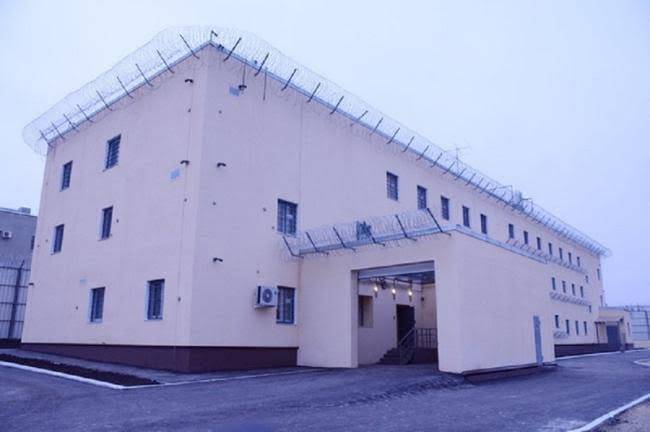
Two Crimean Tatars were secretly held in a Simferopol pretrial detention center for over 20 months
Two residents of occupied Crimea—26-year-old Enver Chaush and 23-year-old Muslim Mambetov—were held incommunicado in Simferopol Pretrial Detention Center No. 2 for over 20 months, according to Eskender Bariyev, head of the Crimean Tatar Resource Center.
The young men were detained on December 25, 2024. For nearly two years, their relatives did not know their whereabouts. According to Bariyev, their families appealed to various authorities and even filed a lawsuit against the FSB, accusing the agency of inaction. Only after the court hearing on August 18, 2026, was it revealed that Chaush and Mambetov were being held in a pretrial detention center.
Both were charged under Article 275 of the Russian Criminal Code for treason. Investigators allege that they allegedly passed certain information to Ukrainian intelligence services and carried out money transfers through banking apps. If found guilty, they face 12 to 20 years in prison.
The first hearing to determine Mambetov's pretrial detention was held on August 28. It was also reported that Chaush's case is scheduled for September 2.
For the first time in 20 months, their families caught only a glimpse of the young men in the courtyard of the Kievsky District Court in Simferopol, where they were escorted under guard. Bariyev noted that both were wearing the same clothes they were wearing when they were detained after the searches in December 2024.
Chaush and Mambetov were born in Yevpatoria and grew up in the Ismail-Bey district, a Crimean Tatar community. At the time of their arrest, they were 24 and 21 years old, respectively. Enver had already started a family by then. During his detention, two grandfathers and a brother died, but, according to Bariyev, he still doesn't know about this.
The head of the Crimean Tatar Resource Center called the young men's story yet another example of the consequences of Russian repressions on residents of occupied Crimea, noting that such persecution affects not only the defendants themselves but also their families.