The head of Moscow's Azerbaijani diaspora was expelled from Russia after being held for several months in a migration center
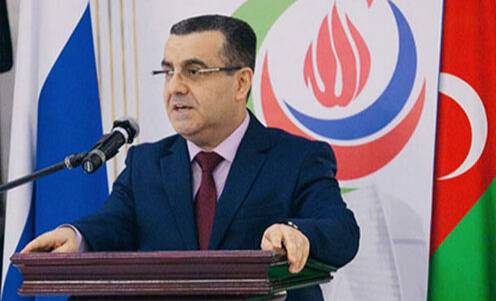
Bakhtiyar Hasanov, who headed the Azerbaijani national-cultural autonomy in Moscow, was expelled from Russia. He was deported to Azerbaijan after a court refused to overturn the deportation order.
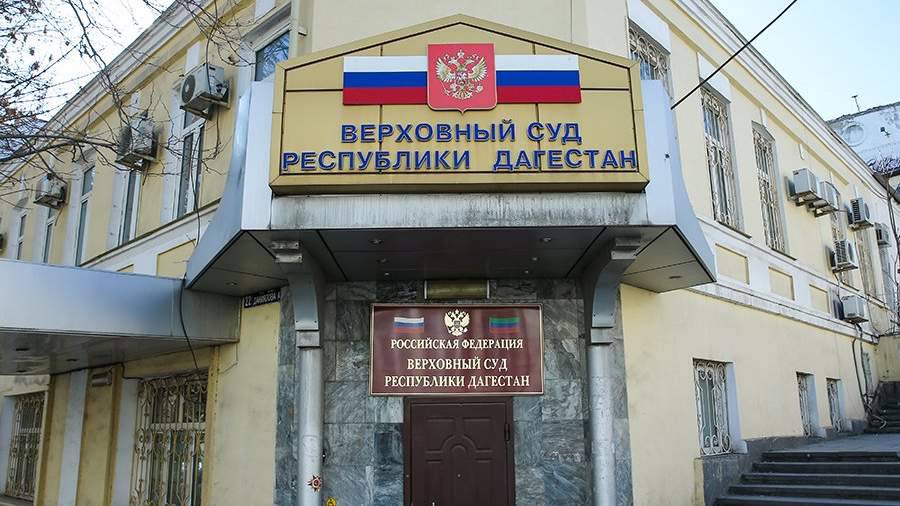
Hasanov spent several months in a temporary detention center for foreign citizens. In June, he was detained by Russian security forces. From the migration center, he was taken directly to the airport, from where he departed for Azerbaijan. An attempt to challenge the deportation order was unsuccessful: the court rejected the appeal.
Hasanov's story began even earlier. In 2025, it became known that his Russian passports had been invalidated. There were also reports that his Russian citizenship had been revoked. Hasanov himself denied this at the time.
Before his departure, he had held a prominent position in the Azerbaijani community in Moscow for several years.
Gasanov was elected head of the national-cultural autonomy in July 2022. Born in the Ordubad region of Azerbaijan, he is an orientalist by profession and has been involved in entrepreneurship and charity work. Russian official sources also portrayed him as a member of public organizations associated with interethnic relations in Moscow.
Gasanov's situation is part of a wider series of incidents involving representatives of Azerbaijani public organizations in Russia over the past year. In July 2025, Elshan Ibrahimov, who headed the Azerbaijani autonomy of the Moscow region, left the country after being stripped of his Russian citizenship. In August, it was reported that businessman Arshad Khankishiyev, who previously headed the Azerbaijani autonomy in the Chelyabinsk region, had his citizenship revoked.
All of these stories are unfolding against the backdrop of a sharp cooling in relations between Moscow and Baku. Tensions were particularly heightened after the plane crash on December 25, 2024. An Azerbaijan Airlines flight from Baku to Grozny was unable to land due to a drone attack, diverted, and crashed in Kazakhstan. Thirty-nine of the 67 people on board were killed. Moscow initially refused to acknowledge the downing of the plane by its air defense system, apologize, or compensate the families of the victims. Only later did the Kremlin acknowledge its involvement in the tragedy, blaming Ukrainian drones. Following this tragedy, a series of mutual grievances and diplomatic conflicts ensued between the two countries.