Georgia Aims to Turn the South Caucasus into an Energy Bridge to Europe
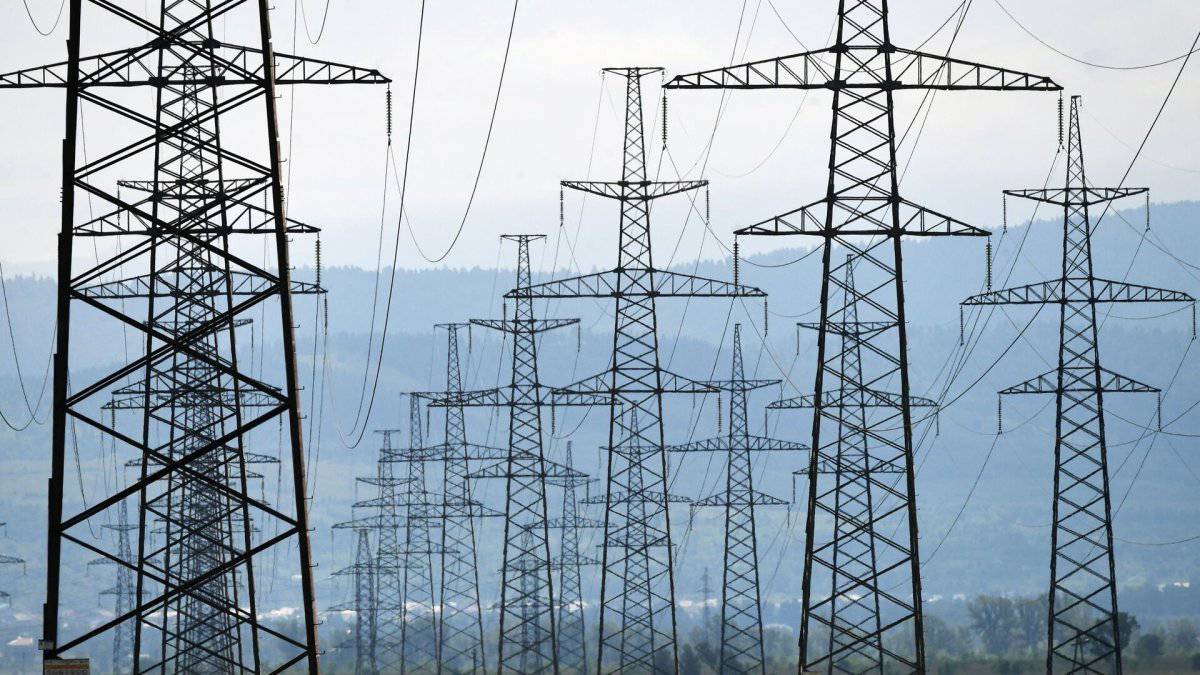
Azerbaijan, Georgia, Turkey, and Bulgaria are discussing the creation of an overland route to supply electricity from South Caucasus nations to the European market. Inga Pkhaladze, Georgia’s Deputy Minister of Economy and Sustainable Development, outlined the initiative.
The plan involves a transit corridor passing through Georgian territory. According to Pkhaladze, the route would be available to countries interested in supplying electricity to Europe—primarily states within the region itself.
For Tbilisi, the project holds significance beyond merely serving as a transit route. Authorities anticipate that it will provide Georgia with a direct energy link to the European market, enabling the country to export its own electricity there. In doing so, Georgia seeks to position itself as a vital energy bridge between the South Caucasus and Europe. Pkhaladze noted that the project’s implementation would strengthen the country's standing as a regional energy hub.
The initiative encompasses several facets of regional cooperation: Azerbaijan possesses substantial energy resources, Georgia can serve as a transit territory, and Turkey and Bulgaria can form part of the route leading to the European market.
However, the project is currently only in the discussion phase. No details have been released regarding specific implementation timelines, the corridor's technical specifications, or potential electricity supply volumes.