Georgia rules out restoring diplomatic ties with Russia without change in Abkhazia and South Ossetia policy
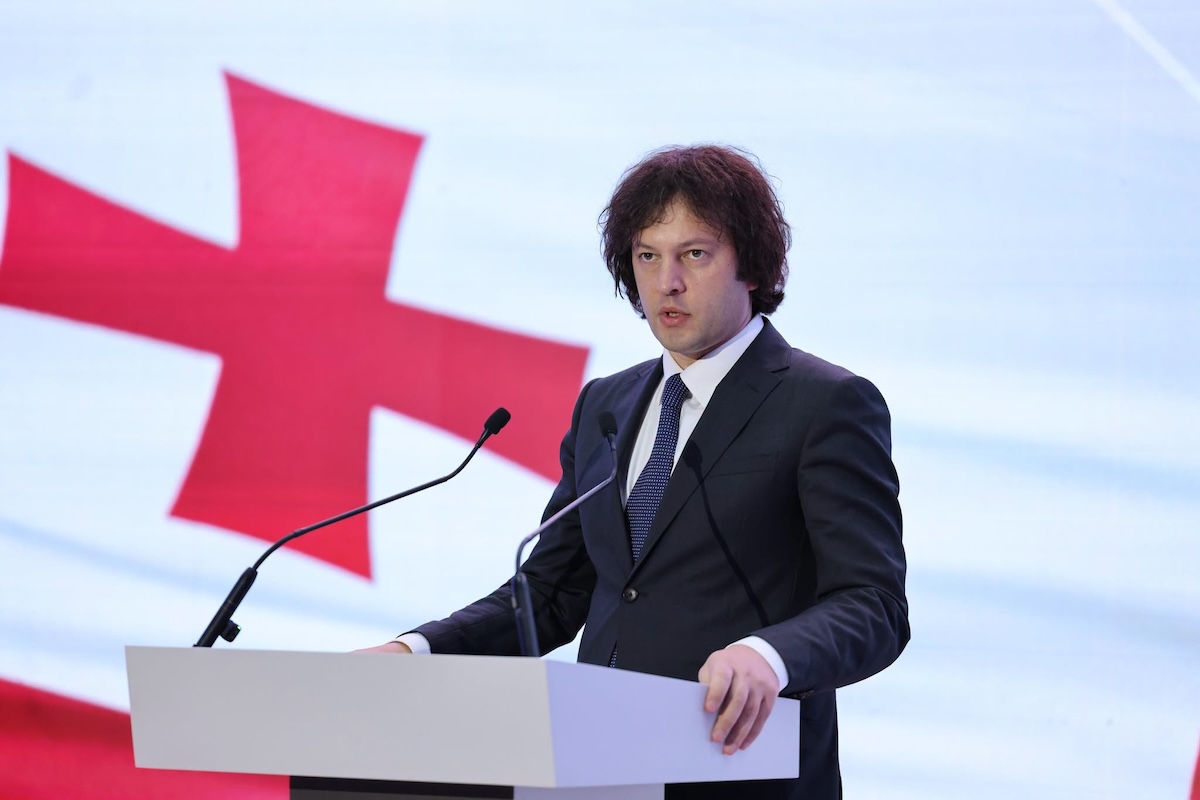
Georgia will not restore diplomatic relations with Russia as long as Moscow continues to recognise Abkhazia and South Ossetia as independent states, Georgian Prime Minister Irakli Kobakhidze said.
"As long as this so-called recognition remains a fait accompli on the part of the Russian Federation, diplomatic relations, of course, cannot be restored," Kobakhidze said, according to Georgia's public broadcaster 1TV.
Kobakhidze said a peaceful settlement of the conflicts over Abkhazia and South Ossetia remained one of Tbilisi's main foreign policy priorities. He said the Georgian government hoped a settlement would become possible following "political changes" in Moscow.
"Our goal regarding the Russian Federation is a peaceful resolution of the conflict. This is our stated political position, and we hope that after political changes, all of this will become achievable," Kobakhidze said.
The statement came 18 years after the August 2008 Russia-Georgia war. Following the conflict, Tbilisi lost its remaining control over Abkhazia and South Ossetia, while Russia recognised both territories as independent states. Georgia subsequently severed diplomatic relations with Moscow.
Most countries continue to recognise Abkhazia and South Ossetia as part of Georgia. Apart from Russia, only a small number of countries recognise the two territories as independent.