Georgia Calls on Russia to Comply With 2008 Ceasefire Agreement
Georgia’s Foreign Ministry has called on Moscow to comply with the terms of the August 12, 2008 ceasefire agreement, withdraw its troops from Abkhazia and South Ossetia, and ensure the return of people displaced by the conflict, as Georgia marks the 18th anniversary of the Russia-Georgia war.
In a statement, the Georgian Foreign Ministry said Russia continues its “illegal occupation” of Abkhazia and the Tskhinvali region (South Ossetia), which Tbilisi considers integral parts of Georgian territory.
“Russia, ignoring the fundamental norms and principles of international law, illegally occupied Abkhazia and the Tskhinvali region (South Ossetia) in August 2008, which are integral parts of Georgia’s territory, and recognized them as so-called independent states,” the ministry said.
The ministry also accused Russia of serious human rights violations, ethnic discrimination against the Georgian population and isolating residents of Abkhazia and South Ossetia. According to Tbilisi, international organizations continue to face restrictions that prevent them from operating fully in the two regions.
The Georgian authorities say they remain committed to restoring the country’s territorial integrity through peaceful means. Tbilisi identified the Geneva International Discussions as one of the main mechanisms for resolving the conflict.
The Georgian Foreign Ministry called on Russia to end actions that Tbilisi considers part of the de facto annexation of Abkhazia and South Ossetia and to fully comply with the ceasefire agreement brokered by the European Union and signed on August 12, 2008.
“The Ministry of Foreign Affairs calls on the Russian Federation to end the illegal occupation of Georgia’s territories and actions aimed at their de facto annexation, fully comply with its obligations under the August 12, 2008 ceasefire agreement, withdraw its armed forces from Georgian territory and ensure the safe and dignified return of internally displaced persons and refugees to their homes,” the statement said.
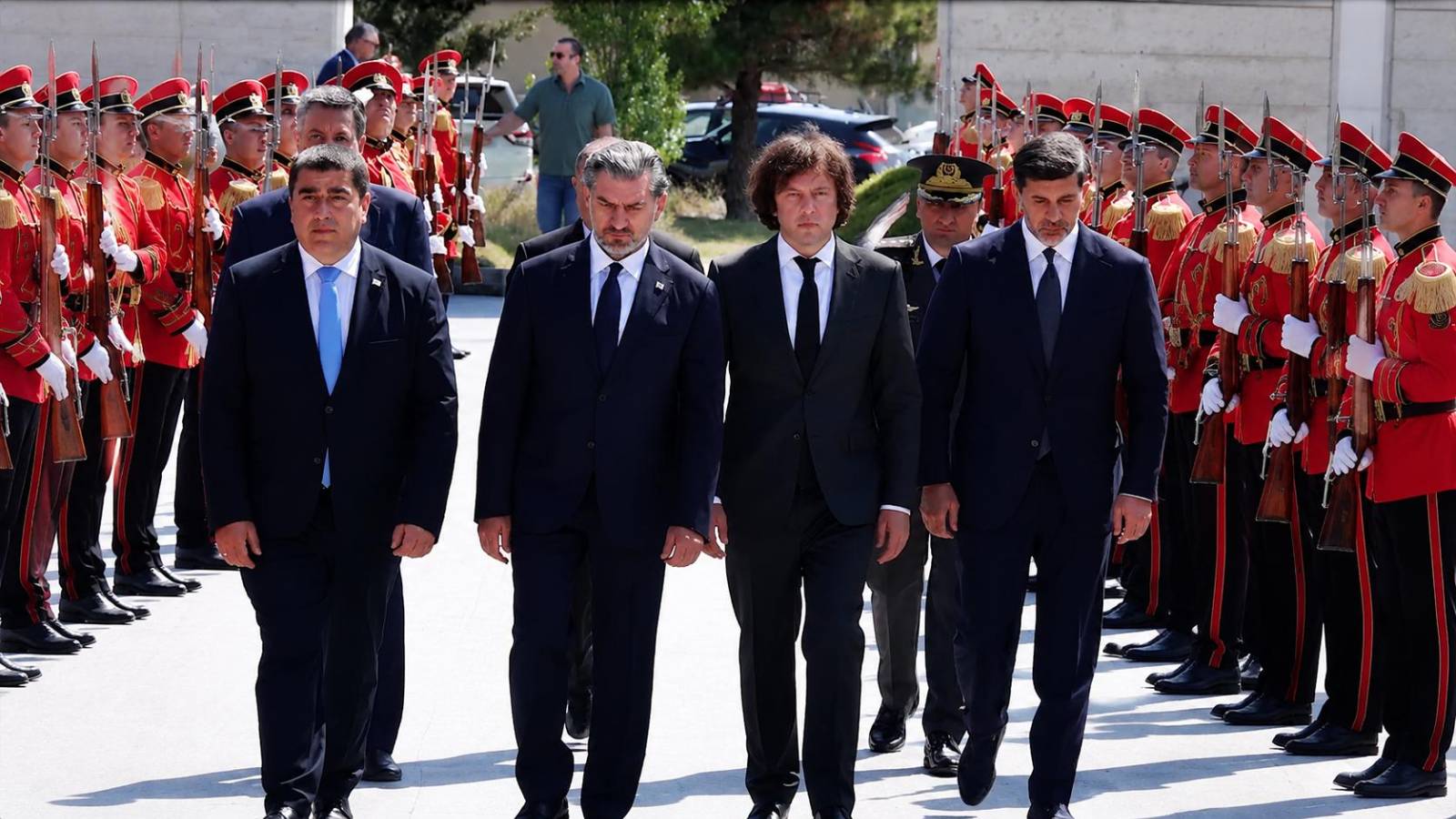
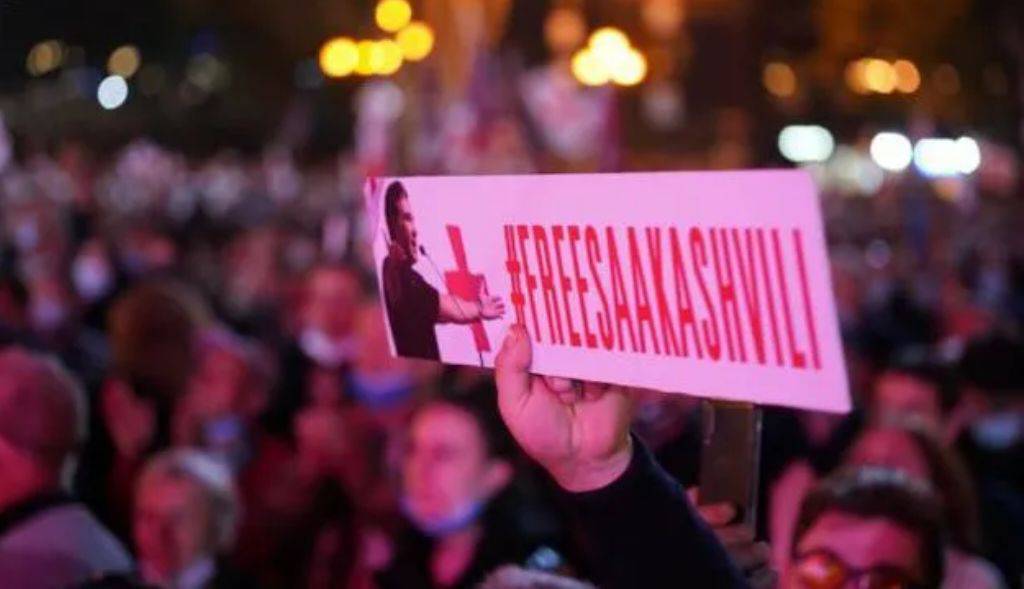
At the same time, Georgia’s current leadership has placed part of the blame for the 2008 war on former President Mikheil Saakashvili and his government. Current President Mikheil Kavelashvili said at a ceremony honoring fallen servicemen that the authorities at the time had failed to prevent the war, describing what happened as their “personal responsibility.”
Prime Minister Irakli Kobakhidze went further, repeating longstanding accusations by the ruling party that the previous government, led by Saakashvili, had started the war. He described the former president as a “traitor” and a “foreign agent” who had acted at the direction of outside forces. At the same time, Kobakhidze stressed that, in his view, the responsibility of Georgia’s former authorities did not justify Moscow’s actions. “Occupation is a crime,” he said, noting that Russia occupies about 20% of Georgia’s territory.
Georgian Parliament Speaker Shalva Papuashvili also accused Saakashvili of treason and suggested that “if there had been no war in 2008, most likely there would have been no war in Ukraine either.”
In August 2008, fighting between Georgia and South Ossetia escalated into an armed conflict involving Russia. Following the war, Moscow recognized Abkhazia and South Ossetia as independent states and deployed its military forces there. Tbilisi responded by severing diplomatic relations with Russia and continues to regard both regions as occupied territories. Russia rejects that characterization and considers Abkhazia and South Ossetia independent states. Switzerland has acted as an intermediary in diplomatic contacts between Moscow and Tbilisi since the two countries broke off relations.
Most countries around the world and the United Nations continue to support Georgia’s territorial integrity within its internationally recognized borders as they stood in 1991.