Kavelashvili signed all the "undemocratic" laws adopted by parliament in an accelerated manner
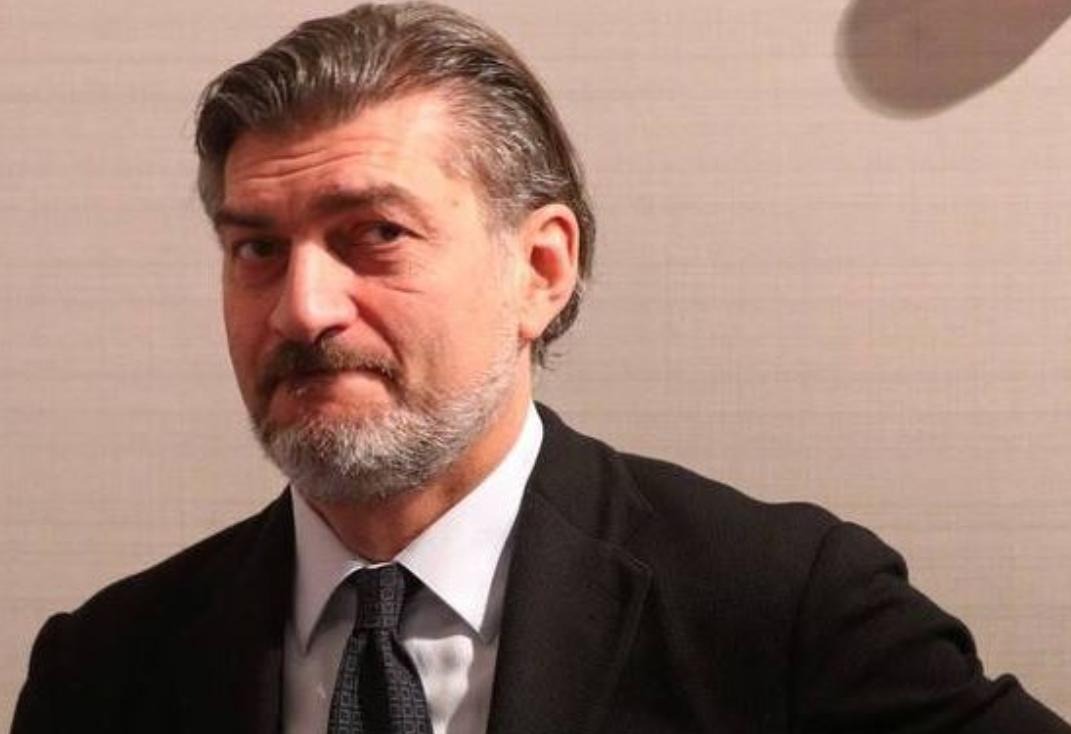
Immediately after his inauguration, the new president of Georgia, the nominee of the Georgian Dream party, Mikheil Kavelashvili, signed all the laws adopted in November by the parliament it formed. This was reported by the Georgian service of Radio Liberty.
 
The signing of the laws, as well as their adoption, took place in an accelerated manner. Thus, already on Sunday evening, the Legislative Herald of Georgia published a number of amendments, including a ban on the use of pyrotechnics, lasers and clothing covering the face during rallies, an increase in fines for blocking roads and graffiti, and an expansion of the list of grounds for arrest during protests.
 
In addition, the updated legislation simplifies the processes of dismissal and hiring in government agencies. In particular, even if the court upholds the claim, the state is no longer obliged to return the person to his previous position in the government structure. Another amendment – ​​to the law on police – makes it easier for some categories of employees to start serving in the Ministry of Internal Affairs.
 
Human rights activists have assessed the innovations as “repressive,” “punitive,” and “undemocratic.” Salome Zurabishvili, who left her residence on Atoneli the day before, also expressed her opinion on this matter.
 
“A new wave of violence and repression to mark the de facto inauguration of the de facto president,” the fifth Georgian president wrote on social media.
 
By the way, according to another amendment, Zurabishvili has lost the right to state protection, under whose protection she could have been for another year.
 
The day before, Salome Zurabishvili left the presidential palace, but did not recognize the legitimacy of her successor and the parliament that appointed him.
 
“The parody that is happening now in parliament... This is a real parody, this state does not deserve such parodies,” she said in her address to citizens.
Последние новости
Kadyrov and Kerimov are brothers again: Has the Kremlin reconciled the head of Chechnya with the senator from Dagestan?
Politics
Kadyrov and Kerimov are brothers again: Has the Kremlin reconciled the head of Chechnya with the senator from Dagestan?
30 January 2026

Today, Chechen leader Ramzan Kadyrov posted a joint photo on his Telegram channel with the senator from Dagestan, billionaire Suleiman Kerimov, with whom he had a violent conflict last summer and fall. Kadyrov and Kerimov found themselves on opposite sides of a family dispute over the Wildberries marketplace.

Moscow expressed interest in joining the South Caucasus TRIPP route. Armenia had previously rejected Russia's participation
Politics
Moscow expressed interest in joining the South Caucasus TRIPP route. Armenia had previously rejected Russia's participation
30 January 2026

Russia has stated its readiness to consider joining the TRIPP project (the transport corridor between Armenia and Azerbaijan). Russian Foreign Ministry spokesperson Maria Zakharova announced at a briefing that Moscow is interested in participating and is prepared to offer Russian Railways' expertise for the project's implementation.

In Kabardino-Balkaria, two soldiers were sentenced to five years for evading military service
Society
In Kabardino-Balkaria, two soldiers were sentenced to five years for evading military service
30 January 2026

A military court in Nalchik found Rinat Kurmanaev and Zalim Bekov guilty of leaving their unit without leave during mobilization and sentenced each to five years in prison.

Moscow again warned Armenia about the risks of integration with Europe
Politics
Moscow again warned Armenia about the risks of integration with Europe
30 January 2026

The Russian Foreign Ministry expressed concern over Armenia's rapprochement with the European Union. In an interview with TASS, Vladislav Maslennikov, Director of the Russian Foreign Ministry's Department of European Problems, stated that this could negatively impact relations with Russia and integration processes in the post-Soviet space.