A Crimean Tatar political prisoner said that security forces planted prohibited literature on him
During a search, prohibited religious literature was found on Crimean Tatar Seityagi Abbozov. However, according to lawyer Emil Kurbedinov, it did not belong to him - it was planted by the security forces.
The lawyer questioned the testimony of the witness who was present at the searches. “We asked a number of questions to the witness. The answers of the attesting witness, questioned as a witness, also cast doubt on his testimony,” added Emil Kurbedinov.
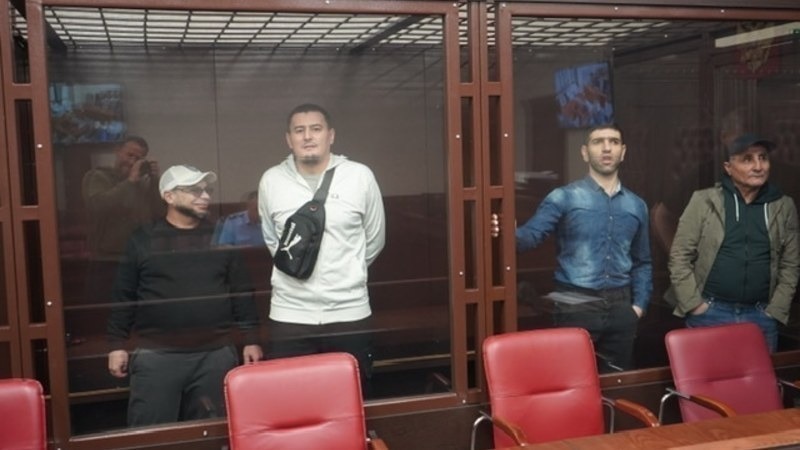
An audio recording in a mosque from 2015 with conversations about prayer became evidence for the prosecution in the case of the “first Jankoy group” of Hizb ut-Tahrir. Previously, its participants, activist Enver Krosh, journalist Vilen Temeryanov, Rinat Aliyev, Murat Mustafayev, Seityagi Abbozov and Edem Bekirov, were recognized as political prisoners.
“The defendants discussed a number of issues about namaz: how to perform namaz, what Sharia norms are on this matter, and so on. There was no talk about terrorism and extremism. This once again proves the nature of the criminal cases against our clients,” commented lawyer Emil Kurbedinov.
According to security officials, Enver Krosh created a cell of the Islamic political party Hizb ut-Tahrir, banned in the Russian Federation, in the Dzhankoy region of Crimea. Rinat Aliyev, Seityaga Abbozov, Edem Bekirov and Vilen Temeryanov became its participants. Security officials said that the Crimean Tatars were preparing for a violent seizure of power.