Crimean Tatar political prisoner is being transported to prison many kilometers from his homeland
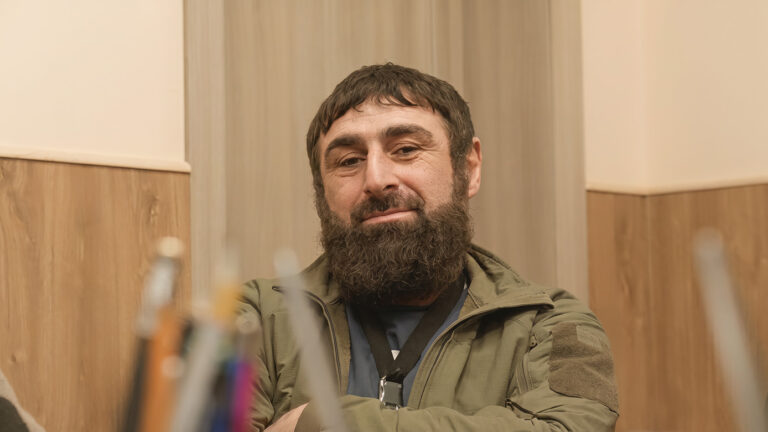
Crimean Tatar Rustem Murasov, sentenced to 12 years, was transferred to the Vladimir Central prison. At first he was kept in a pre-trial detention center in Novocherkassk, then in a colony in Perm.
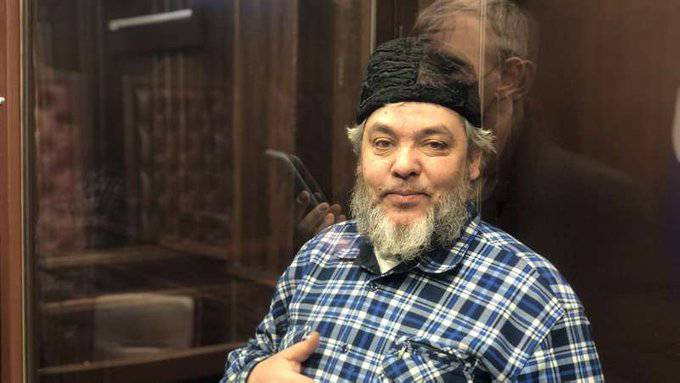
The Southern District Military Court in Rostov-on-Don sentenced Rustem Murasov to 12 years in prison for participation in the activities of the Islamic political organization Hizb ut-Tahrir. Along with him, Dzhebbar Bekirov (17 years), Zavur Abdullaev and Rustem Tairov (12 years each) received long sentences.
In court, political prisoners spoke about the bias and injustice of the authorities, the judicial and law enforcement systems. They came wearing protest T-shirts with the inscriptions: “Faith and perseverance are stronger than the sword of tyrants,” “Deportation continues,” “Faith is not terrorism.”
“Our clients exercised their right to freedom of religion and freedom of conscience. They gathered in a private house and had conversations on various topics. There is nothing in their conversations about violence, about explosions. But the Russian security forces began persecuting people who have nothing to do with terrorism at all,” lawyer Emil Kurbedinov said during the debate.
Before their arrest, Dzhebbar Bekirov, Zavur Abdullaev, Rustem Murasov and Rustem Tairov took an active part in the public life of the Crimean Tatar people. They visited courts in Crimea and Rostov-on-Don on politically motivated cases against their compatriots, participated in flash mobs and various information initiatives, and pickets in support of political prisoners.