Crimean Tatar political prisoner denied release despite serious illness
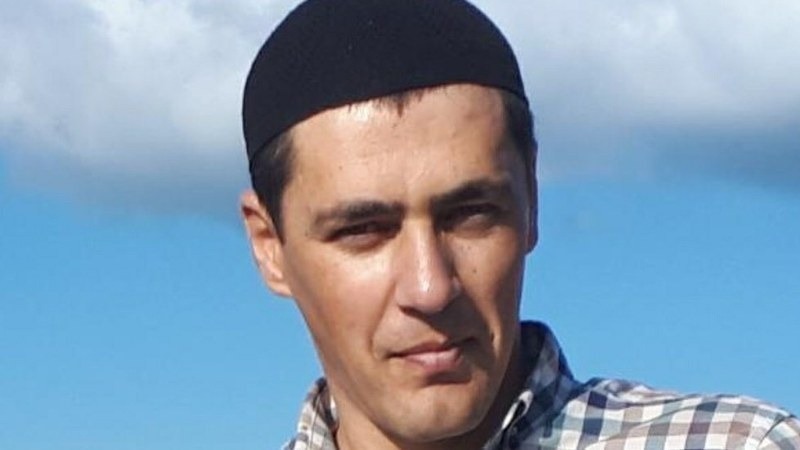
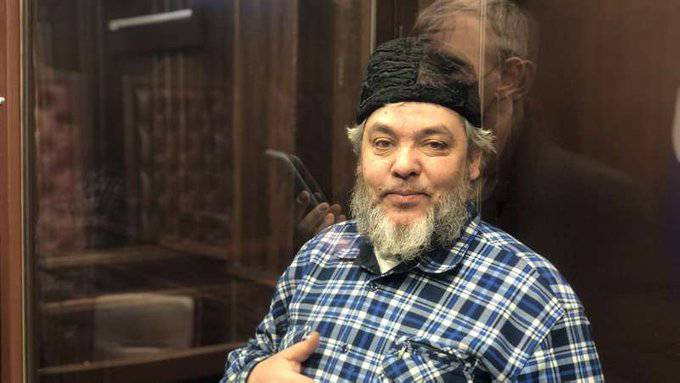
A court in Vladimir refused to release Crimean Tatar journalist Amet Suleymanov, sentenced to 12 years, from prison for health reasons. He needs a heart valve replacement and is also suffering from shortness of breath, lung pain, leg swelling and high blood pressure.
In addition, Suleymanov was diagnosed with a new disease - hypertensive angeopathy of the retina. The convict cannot read or write for a long time; his eyes constantly water. In prison, he is not given a medical examination or prescribed medications.
“Over the year, Amet’s condition has deteriorated significantly. Two of his diseases correspond to items 41 and 42 in the list of diseases that provide for exemption from punishment. However, the representative of the medical and sanitary department of the Federal Penitentiary Service referred to the fact that the degree of the disease was not severe enough,” said lawyer Lilya Gemedzhi.
In 2019, the Southern District Military Court, despite numerous statements from the defense about Suleymanov’s health, sentenced him to 12 years in a maximum security colony in the case of participation in the Islamic party Hizb ut-Tahrir, banned in the Russian Federation.
Lilya Gemedzhi considers the sentence fatal: “They sentenced him to die. For a person with such a diagnosis, imprisonment is cynicism.”