Medvedev predicts EU will reject Armenia’s membership bid, warns of rift with Russia
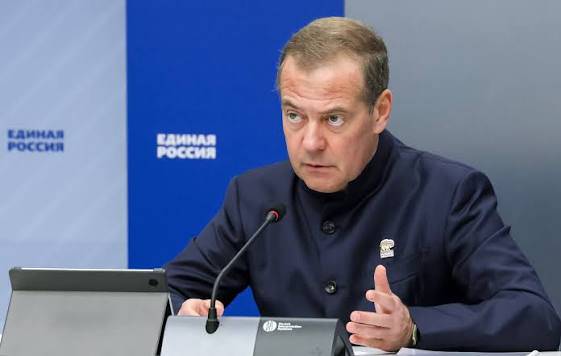
Russian Security Council Deputy Chairman Dmitry Medvedev has commented on Armenia’s plans to begin preparing an application to join the European Union, saying Yerevan would ultimately fail to secure EU membership but could seriously damage its relations with Russia and other members of the Eurasian Economic Union (EAEU).
“Obviously, Armenia will never join the European Union, which is suffering from serious chronic ailments, but it will seriously damage its relations with Russia and other EAEU countries for a long time,” Medvedev said.
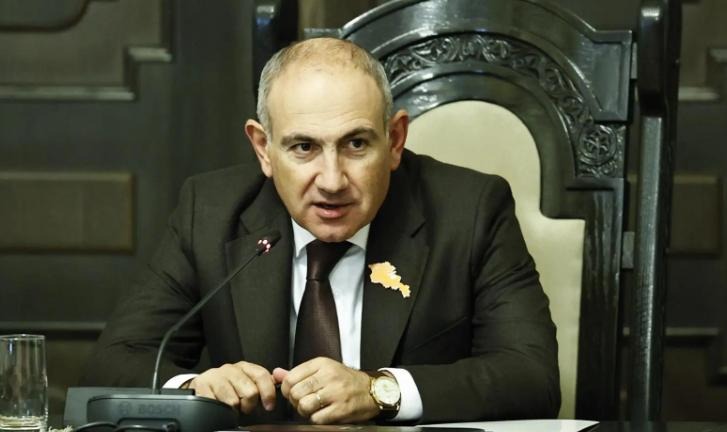
Earlier the same day, Prime Minister Nikol Pashinyan announced plans to begin the process of applying for EU membership while presenting his government’s programme for 2026–2031 to parliament. He said Yerevan would first have to submit an application and receive a response from the EU, after which it could consider holding a referendum and drawing up a roadmap for closer ties with the bloc.
At the same parliamentary session, Pashinyan also addressed another alliance of which Armenia remains a member — the Collective Security Treaty Organisation (CSTO). He said Yerevan did not plan to resume active participation in the organisation over the next five years.
“I can say with confidence that we will not step up our work in the CSTO. There are discussions within the organisation, and Armenia could be expelled. I would be very happy if the organisation decided to expel Armenia. That would spare us the dilemma of whether to leave or not,” Pashinyan said.
The Kremlin responded by saying that Yerevan was free to leave the CSTO if it was no longer interested in membership. Russian presidential spokesman Dmitry Peskov described this as Armenia’s “sovereign decision”.
In late May, Russian President Vladimir Putin and the leaders of other EAEU member states called on Yerevan to clarify its foreign economic course and hold a referendum on whether to join the EU or remain a member of the EAEU. Pashinyan responded on June 25 by saying that the bloc’s ability to make decisions against one of its members amounted to its “self-dissolution”.