Moscow urges Armenia to choose between EU and EAEU by December
Russia is pressing Armenia to hold a referendum by December on whether to pursue European integration or remain a member of the Eurasian Economic Union (EAEU), warning that failure to do so could lead to further measures against Yerevan, including a possible suspension of the EAEU treaty as it applies to Armenia.
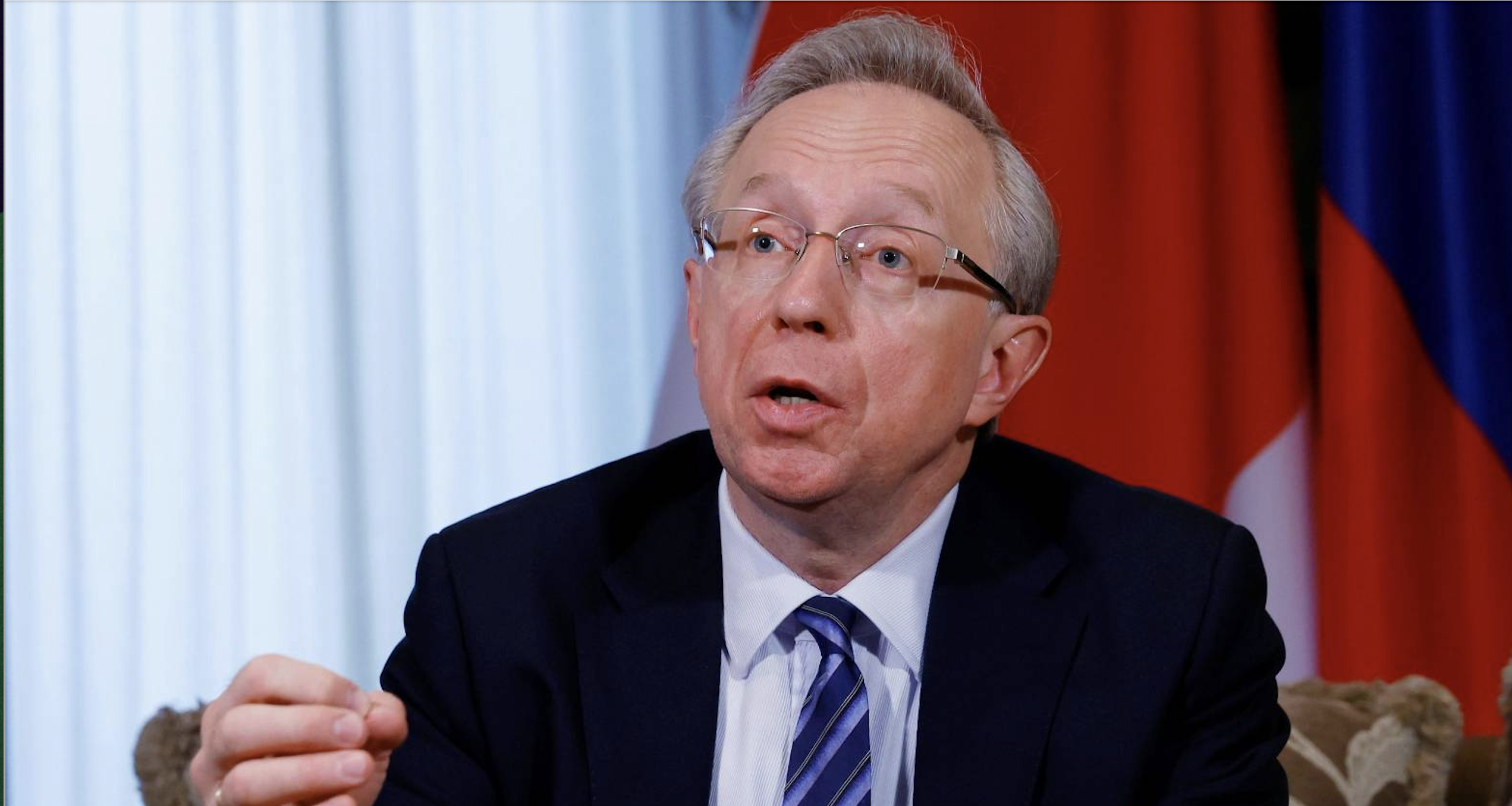
Armenia must decide in the coming months whether it intends to move towards joining the European Union or remain in the Russia-led EAEU, Russian Deputy Foreign Minister Mikhail Galuzin said in an interview with the state-run TASS news agency.The issue is expected to be discussed again in December at a meeting of the Supreme Eurasian Economic Council. By then, the leaders of the EAEU member states are due to receive a report assessing the possible consequences of suspending the EAEU treaty in relation to Armenia."Clearly, if the call for a referendum has not been heeded by that time, the leaders will take this fact into account when determining appropriate further joint steps," Galuzin said.
His remarks effectively link the absence of a referendum by the December summit to the possibility of measures being taken against Armenia.Galuzin referred to a joint statement issued on May 29 by the presidents of Russia, Belarus, Kazakhstan and Kyrgyzstan, which called on Armenia to hold a nationwide referendum on joining the EU or remaining in the EAEU "as soon as possible." The statement did not set a specific deadline.The Russian deputy foreign minister also criticised Armenian Prime Minister Nikol Pashinyan's statements on the need for such a vote, describing them as "confused."
Galuzin cited Article 205 of Armenia's Constitution, which provides for a referendum on issues concerning membership in supranational international organisations. At the same time, he said, Yerevan had previously argued that a law adopted in 2025 to launch the process of joining the EU was merely a political declaration and did not itself require a referendum.The Russian diplomat said Armenian authorities were now pointing to the results of the June elections as evidence of public support for the country's European course."Much has already been said, but it has done little to make the situation any clearer," Galuzin said.According to him, Russia and other EAEU members want Armenian voters to answer not simply whether they wish to join the EU, but whether they are prepared to give up EAEU membership in pursuit of eventual EU accession.
"That wording would be the most honest approach towards the citizens of the Republic of Armenia themselves, as well as towards the other members of the EAEU," Galuzin said.Moscow has also raised the possibility of measures against Armenia within the Russia-led Collective Security Treaty Organisation (CSTO).Galuzin said the possibility of suspending Armenia's voting rights could be considered by the CSTO's Collective Security Council at a summit in Moscow on Nov. 11.He said Armenia's refusal to participate in CSTO activities or sign annual budget decisions did not release it from its obligation to make financial contributions to the organisation.Any restrictive measures, Galuzin said, would fall within the authority of the heads of state of the CSTO member countries.