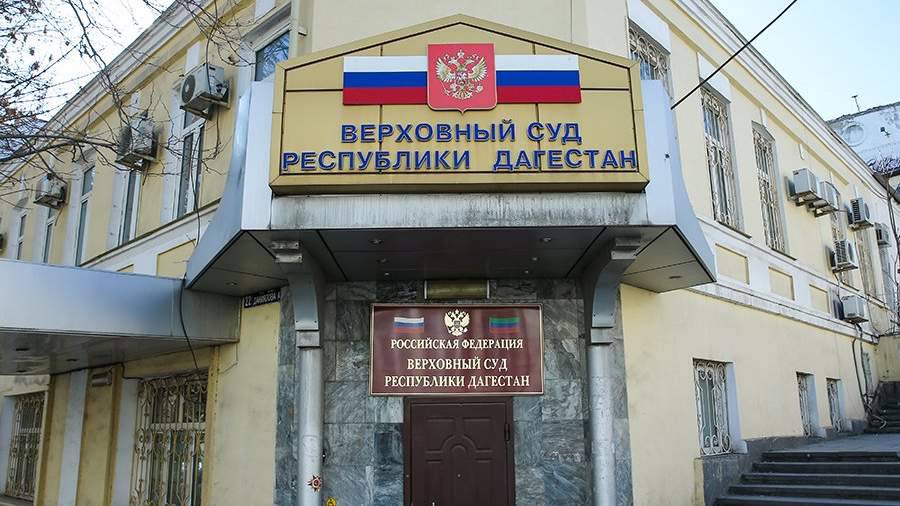
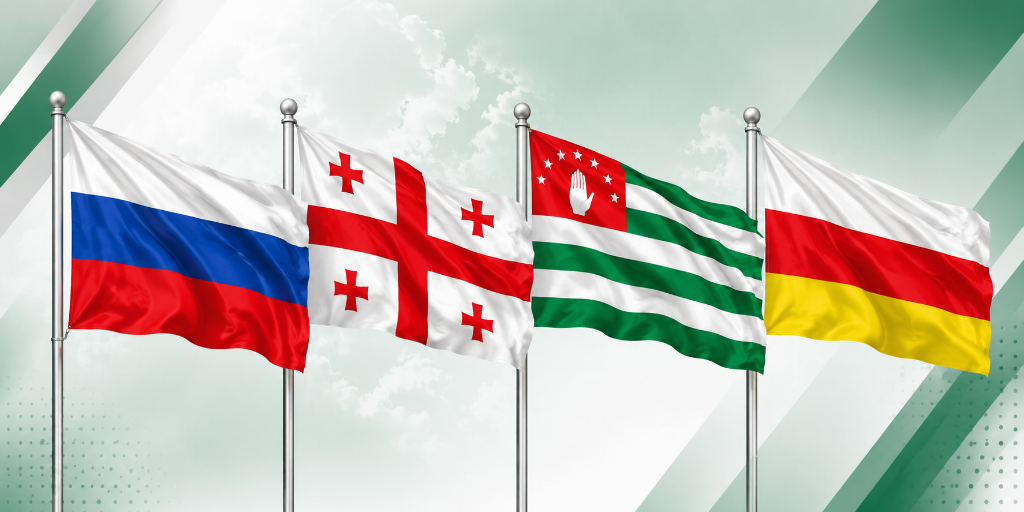
Moscow has once again called on Georgia to sign a non-use-of-force agreement with Abkhazia and South Ossetia

Russia considers the signing of a legally binding non-use-of-force agreement between Georgia, Abkhazia, and South Ossetia to be the primary objective of the Geneva International Discussions. This was stated by Russian Deputy Foreign Minister Mikhail Galuzin.

According to the diplomat, such a document would serve as "the most effective instrument for ensuring lasting security in the region." At the same time, Galuzin emphasized that, in Moscow's view, Russia's allied relations with Abkhazia and South Ossetia play a key role in maintaining stability today.

The Russian Deputy Foreign Minister also stated that the Geneva Discussions themselves, along with existing incident prevention and response mechanisms, hotlines between border services, and working contacts between the parties, help maintain relative calm.

Commenting on the situation along the dividing line, Galuzin asserted that the majority of incidents stem from Georgian citizens illegally crossing the "border." He noted that, in most cases, the authorities of Abkhazia and South Ossetia limit themselves to a brief inquiry and return the detainees to Tbilisi-controlled territory without initiating criminal proceedings.

The issue of a non-use-of-force agreement was raised during the 67th round of the Geneva International Discussions, which concluded the day before. At that time, the Russian side once again urged Tbilisi to conclude such a document with Abkhazia and South Ossetia, describing it as a crucial condition for strengthening regional security. In response, the Georgian delegation stated that Russia continues to deepen cooperation with the South Ossetian authorities in violation of international law and reiterated its demand for the implementation of the August 12, 2008, ceasefire agreement. The next round of the Geneva Discussions is scheduled for November 2026.
Последние новости
Stavropol Region Resident Sentenced to Correctional Labor for Desecrating Soviet Soldiers' Mass Grave
Society
Stavropol Region Resident Sentenced to Correctional Labor for Desecrating Soviet Soldiers' Mass Grave
14 August 2026

A court in the Stavropol Region sentenced a 40-year-old resident of the village of Staroizobilnenskaya to ten months of correctional labor for desecrating a mass grave of Soviet soldiers.

AI-generated personas supported
Politics
AI-generated personas supported "Georgian Dream": researchers identify 230 suspicious Facebook accounts
14 August 2026

A network of 230 Facebook accounts featuring photos likely generated by neural networks has been discovered in Georgia. These accounts were used to create the appearance of widespread support for the ruling "Georgian Dream" party and its chairman, Irakli Kobakhidze. Researchers from the "Myth Detector" platform reached this conclusion.

17 Ukrainians living for over a year in a basement at the Georgia-Russia border evacuated due to mudslide threat
Human rights
17 Ukrainians living for over a year in a basement at the Georgia-Russia border evacuated due to mudslide threat
14 August 2026

Seventeen Ukrainian citizens, who had been staying for more than a year in the basement of the Georgian "Daryali" checkpoint on the Russian border, were evacuated on August 13 due to the threat of a natural disaster. Following the evacuation, they were not taken away from the border crossing area entirely; instead, they were placed in a truck and transported a few hundred meters to the grounds of a nearby monastery.

The war in Abkhazia, which claimed around 10,000 lives, began 34 years ago
History
The war in Abkhazia, which claimed around 10,000 lives, began 34 years ago
14 August 2026

On August 14, 1992, hostilities broke out in Abkhazia; the conflict lasted over a year and became one of the most severe in Georgia's modern history. On that day, Georgian units entered the self-proclaimed Autonomous Republic of Abkhazia, crossing from the direction of the Inguri River. Tbilisi justified the deployment of the National Guard by citing the need to protect railway links. However, the advancing Georgian column encountered armed resistance from Abkhaz forces.