Washington No Longer Lectures Baku on Democracy: Aliyev Congratulates the US and Thanks Trump for New Policy
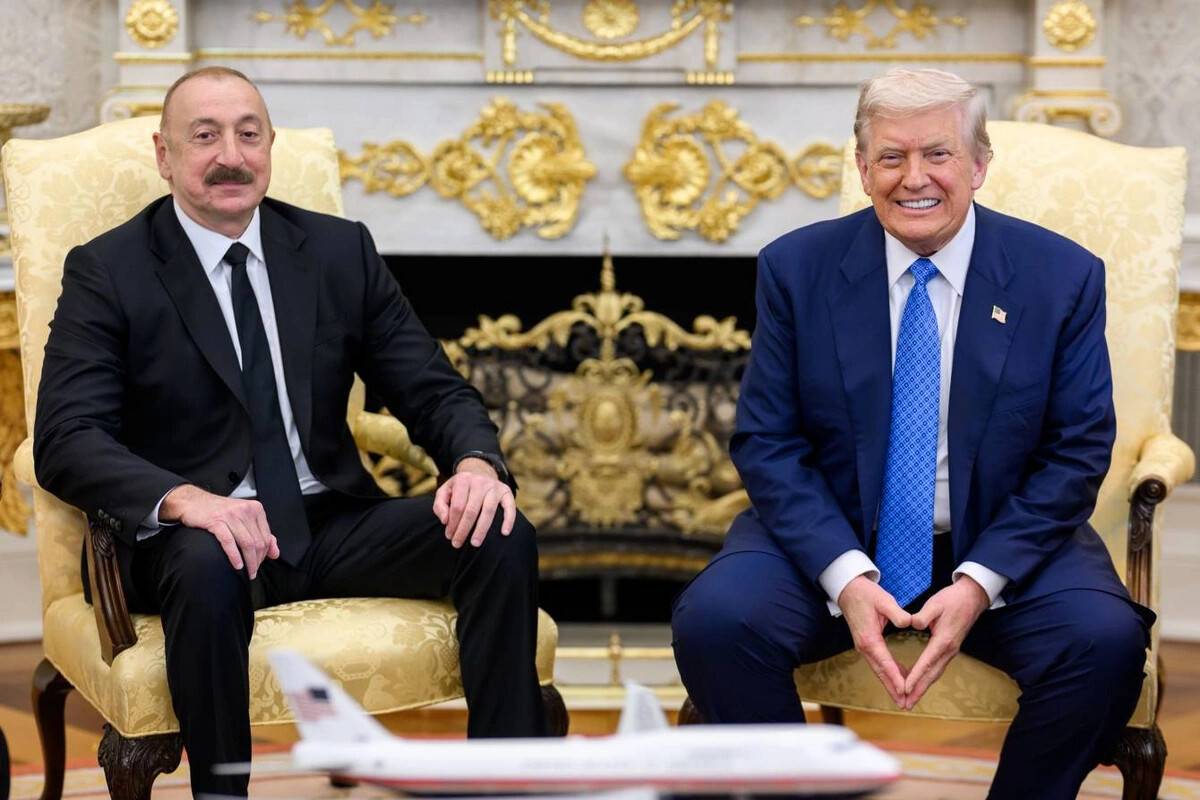
On the occasion of the 250th anniversary of US independence, Azerbaijani President Ilham Aliyev sent a congratulatory message to Donald Trump, thanking the American leader for his contribution to advancing the peace agenda in the South Caucasus.
In a statement posted on the social network X, Aliyev highlighted the significance of the trilateral meeting held at the White House on August 8 of last year at Trump’s initiative, emphasizing that it was this event that transformed the situation in the region.
"We express our deep appreciation for your decisive efforts to advance the peace agenda in the South Caucasus and foster sustainable development in the region. The outcomes of the historic trilateral meeting held at the White House on August 8 of last year at your initiative created a completely new and positive atmosphere in our region. Today, Azerbaijan and Armenia are living in peace and building trade relations," the message reads.
Aliyev also noted US support for the implementation of infrastructure projects aimed at strengthening regional stability and economic development. In particular, he mentioned the "Trump Road for International Peace and Prosperity" (TRIPP) initiative, which, according to him, is intended to provide an alternative, reliable, and secure transport route between Asia and Europe.
The Azerbaijani President also expressed hope for the continued expansion of cooperation between Baku and Washington across various areas.
With Donald Trump’s return to the White House, issues of democracy and human rights have effectively vanished from the agenda governing US relations with authoritarian regimes. Azerbaijan was among the countries that the previous US administration, alongside European institutions, had regularly and consistently criticized for persecuting the opposition, restricting freedom of speech, and pressuring independent journalists and human rights defenders. Today, that rhetoric is a thing of the past. Washington prefers to avoid raising uncomfortable topics, building its dialogue instead on purely pragmatic interests—such as economic cooperation, transport corridors, and strategic projects capable of yielding mutual benefits.