Amidst Trump and Putin’s "diesel deal," Tbilisi calls its refusal to join anti-Russian sanctions the right move
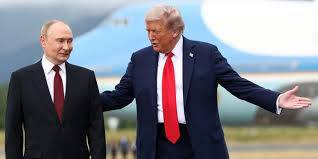
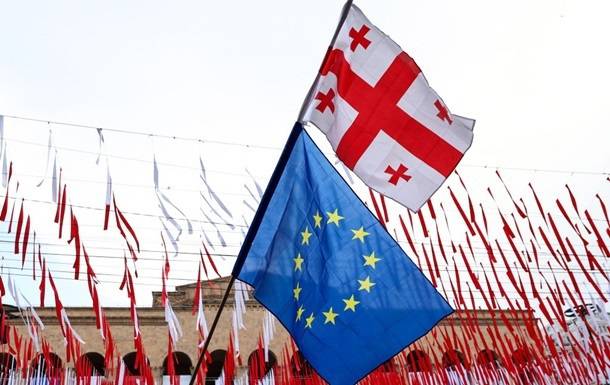
Georgian Prime Minister Irakli Kobakhidze has described Tbilisi's decision not to join sanctions against Russia as the correct one. He made this statement in response to an agreement between US President Donald Trump and Russian President Vladimir Putin regarding the supply of Russian diesel fuel to American and global markets.
"It has become clear once again that we made an absolutely rational and pragmatic decision when we chose not to join the sanctions against Russia at the time," Kobakhidze told reporters on October 10.
According to the Prime Minister, Western nations launched a negative campaign against Tbilisi after Georgia refused to support restrictions against Moscow. Now, he believes, the easing of US restrictions vindicates the Georgian authorities' chosen course.
"We remember the massive campaign that followed our decision not to join the sanctions against Russia. Against this backdrop, we now see those sanctions being eased," Kobakhidze said.
Trump announced the agreement with the Russian president on October 9 via the social media platform Truth Social. According to him, Russia will immediately supply over 300,000 tons of diesel fuel to American and global markets, with another 500,000 tons to follow in November and a million tons thereafter. Supply volumes could subsequently increase by an additional three million tons.
"Between our TOTAL CONTROL over the Strait of Hormuz and this major announcement regarding Russian energy, diesel prices for Americans and the rest of the world will DROP AT RECORD SPEEDS AND VERY QUICKLY!" "Lowering prices for Americans—especially our farmers, ranchers, and truck drivers—is my top priority," Trump wrote.
Ukrainian President Volodymyr Zelenskyy called Washington's decision unfair and unjust. In an interview with Axios, he stated that the agreement looks like a "birthday gift to Putin." According to Zelenskyy, easing restrictions without an agreement to halt Russian attacks on Ukrainian energy infrastructure would allow Moscow to secure additional funds to continue the war.
EU foreign policy chief Kaja Kallas also criticized the U.S. decision. She stated that Russian diesel supplies would generate additional war-funding revenue for Moscow, emphasizing that "now is not the time to ease pressure on Russia, and Europe will not do so." Kallas added that EU foreign ministers plan to consider new sanctions against Russian individuals and entities on October 12.