Fuel crisis deepens in southern Russia as Moscow increases petrol supplies to Mongolia
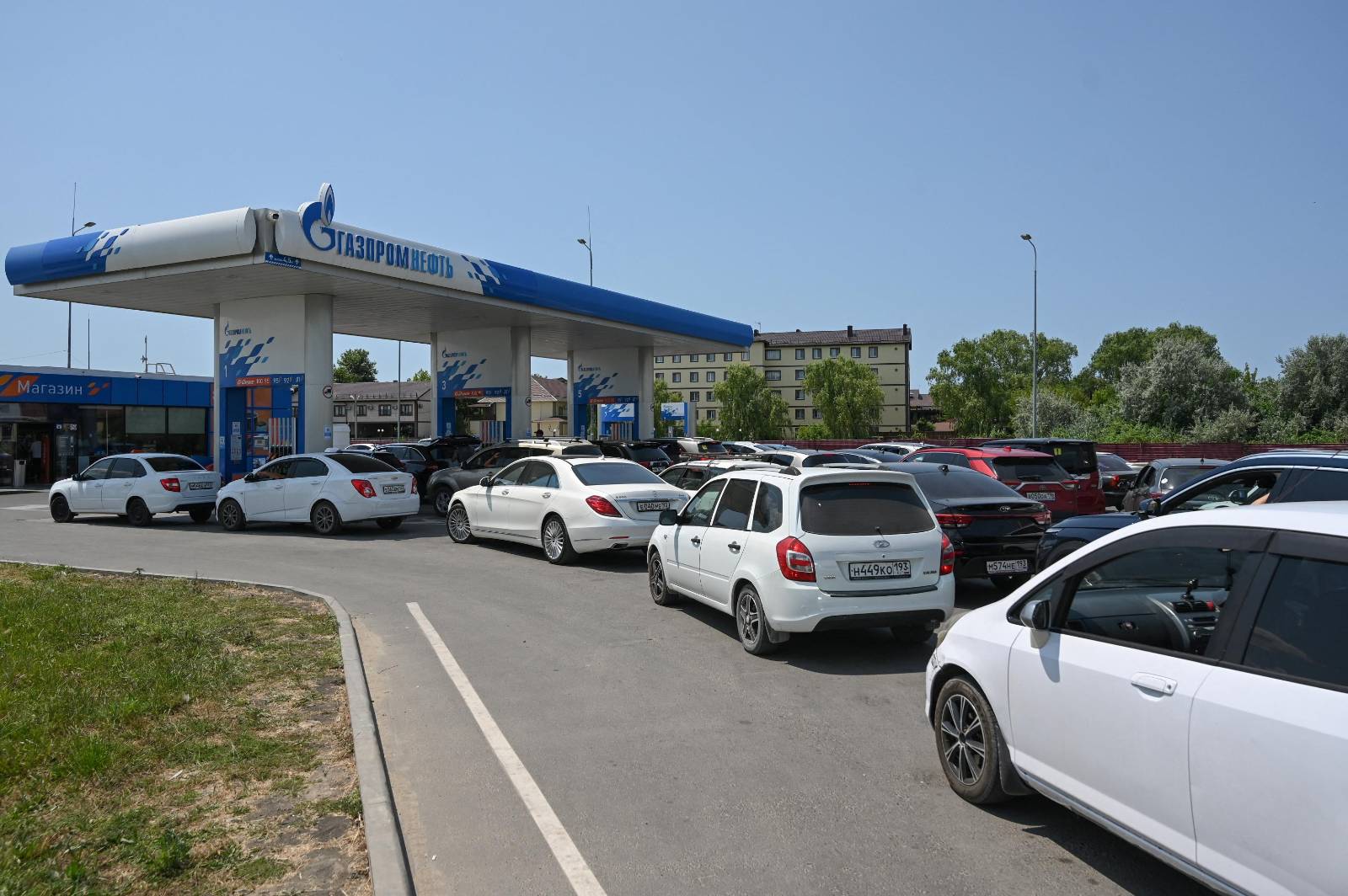
A fuel shortage is worsening across southern Russia, with motorists facing hours-long queues at petrol stations and authorities in the Black Sea resort city of Sochi urging residents and tourists to avoid using private cars. Disruptions have also been reported in other parts of Krasnodar Krai, as well as in Dagestan and neighbouring Abkhazia. At the same time, Russia has agreed to supply Mongolia with an additional 25,000 tonnes of AI-92 petrol in August.
The most severe shortages have been reported in Sochi, where petrol stations have introduced fuel limits and some have imposed additional restrictions on sales to private motorists.Sochi Deputy Mayor Vyacheslav Bauer urged residents and tourists "not to travel by private vehicle, to use public transport or to minimise private-car journeys as much as possible."City officials attributed the restrictions to "logistical disruptions in fuel supplies" and a surge in demand. Fuel supplies to businesses, emergency services and municipal utilities remain unrestricted through fuel cards.
The appeal came just a day after Sochi Mayor Andrei Proshunin described the fuel situation as "under control" and urged residents not to put additional pressure on petrol stations.Residents have posted reports on social media of waits lasting several hours. One driver said he spent about 12 hours at a Rosneft petrol station on Aug. 10. Videos posted online show queues of dozens of vehicles. Another motorist said he waited outside a Lukoil station for four hours overnight on Aug. 11 but no petrol arrived.
Petrol shortages spread across Krasnodar Krai
The disruptions are not limited to Sochi. Drivers have reported shortages in Krasnodar, Gelendzhik, Novorossiysk and other cities across Krasnodar Krai.
A woman from Krasnodar told Kavkaz.Realii that some petrol stations had no petrol at all, while others required motorists to wait three to five hours. She said fuel was available without long queues at some independent stations, but prices there had reached 90-100 roubles ($1.1-$1.3) per litre.
In Armavir, a local resident said Gazprom and Rosneft stations were mainly selling diesel, while queues at the few stations with petrol stretched for up to a kilometre.
A resident of Novorossiysk said she had been forced to travel to Krymsk to find petrol. In Sochi, motorists have reported that newly delivered supplies are quickly exhausted.
Accounts of the situation vary. Some drivers interviewed by Kavkaz.Realii in Krasnodar and Novorossiysk said petrol was still available, arguing that much of the congestion was driven by panic buying and motorists attempting to stockpile fuel in containers.
The problems in Krasnodar Krai have continued despite major petrol station chains easing some of the restrictions imposed earlier by the end of July. Queues began growing again in early August, with petrol disappearing from some stations once more.
Fuel is available in Dagestan, but prices have surged
In Dagestan, the crisis has been felt primarily through higher fuel prices. On Aug. 9, Dagestan's Interior Minister Abdurashid Magomedov met with petrol station owners and described the prices as unjustified.
Residents, however, said the meeting had not resulted in any significant reduction. Comments on social media suggested that prices had fallen by only one or two roubles in some cases, with motorists calling for them to return to previous levels.
One user called for the price of AI-95 petrol to be reduced to 75-80 roubles per litre. Another predicted that prices would settle at around 100 roubles and that consumers would gradually forget the previous price levels. Residents also said expensive fuel was already pushing up the cost of food, construction materials and other goods. Some called for petrol stations accused of overcharging to be fined or shut down and urged the authorities to allow more major nationwide fuel retailers to enter the Dagestan market.
Shortages also hit Abkhazia
Disruptions in Russian fuel supplies have also continued in Abkhazia, where some petrol stations have reported insufficient stocks and drivers have faced hours-long queues.
A 20-litre limit per vehicle, according to local residents, has made the situation worse by forcing motorists to return to petrol stations more frequently.
Abkhazia's Prime Minister Vladimir Delba said that, following talks with Russian suppliers and authorities, more than 1,000 tonnes of petrol would be delivered to the republic in the near future.
Residents have been sceptical about claims that the market is stabilising. Social media users said fuel was available only at some stations, particularly Rosneft and Podorozhnik outlets, and called for incoming supplies to be distributed among a larger number of petrol stations.
Fuel shortages in Abkhazia have continued since late July. Authorities have described the disruptions as temporary and urged residents not to stockpile petrol. After a brief improvement, queues have grown again.
Shortages linked to attacks on oil refineries
The fuel crisis in southern Russia has developed against the backdrop of Ukrainian attacks on oil refineries and other energy infrastructure, including facilities in Krasnodar Krai. Production and logistical disruptions have affected petrol stations across the region for several weeks.
The shortage has also triggered a sharp increase in demand for conversion of vehicles to natural gas. Queues for gas-cylinder installations at some service centres now stretch for months, while the cost of the equipment has almost doubled, according to local media.
Experts have warned, however, that a mass switch to gas cannot resolve the shortage because of limited infrastructure.
Russia to increase petrol exports to Mongolia
At the same time as motorists in parts of Russia struggle to find fuel, Moscow has agreed to increase petroleum product supplies to Mongolia.
Mongolia's Minister of Industry and Mineral Resources Gongor Damdinnyam held talks in Russia with representatives of the Russian Energy Ministry, Rosneft and Gazprom Neft.
The talks resulted in an agreement for Russia to supply Mongolia with an additional 25,000 tonnes of AI-92 petrol and 5,000 tonnes of aviation fuel in August.
Mongolia's Industry Ministry explicitly acknowledged Russia's own fuel problems when announcing the agreement.
"Despite the difficult conditions Russia is facing in securing fuel supplies, it has decided to increase petroleum product exports to our country out of respect for the traditionally friendly relations between the two countries," the ministry said.
The additional exports come as motorists in several Russian regions spend hours searching for petrol or queueing at stations, while authorities in one of the country's largest resort cities are effectively advising residents to stop using private cars temporarily.