The Netherlands to Fund Efforts to Find People Missing in the Karabakh Wars
The Netherlands will provide new financial assistance to support efforts to locate people who went missing during the Armenian-Azerbaijani conflict. The funding will be channelled through the International Commission on Missing Persons (ICMP), which works to locate burial sites, identify human remains and develop mechanisms to establish the fate of missing people.
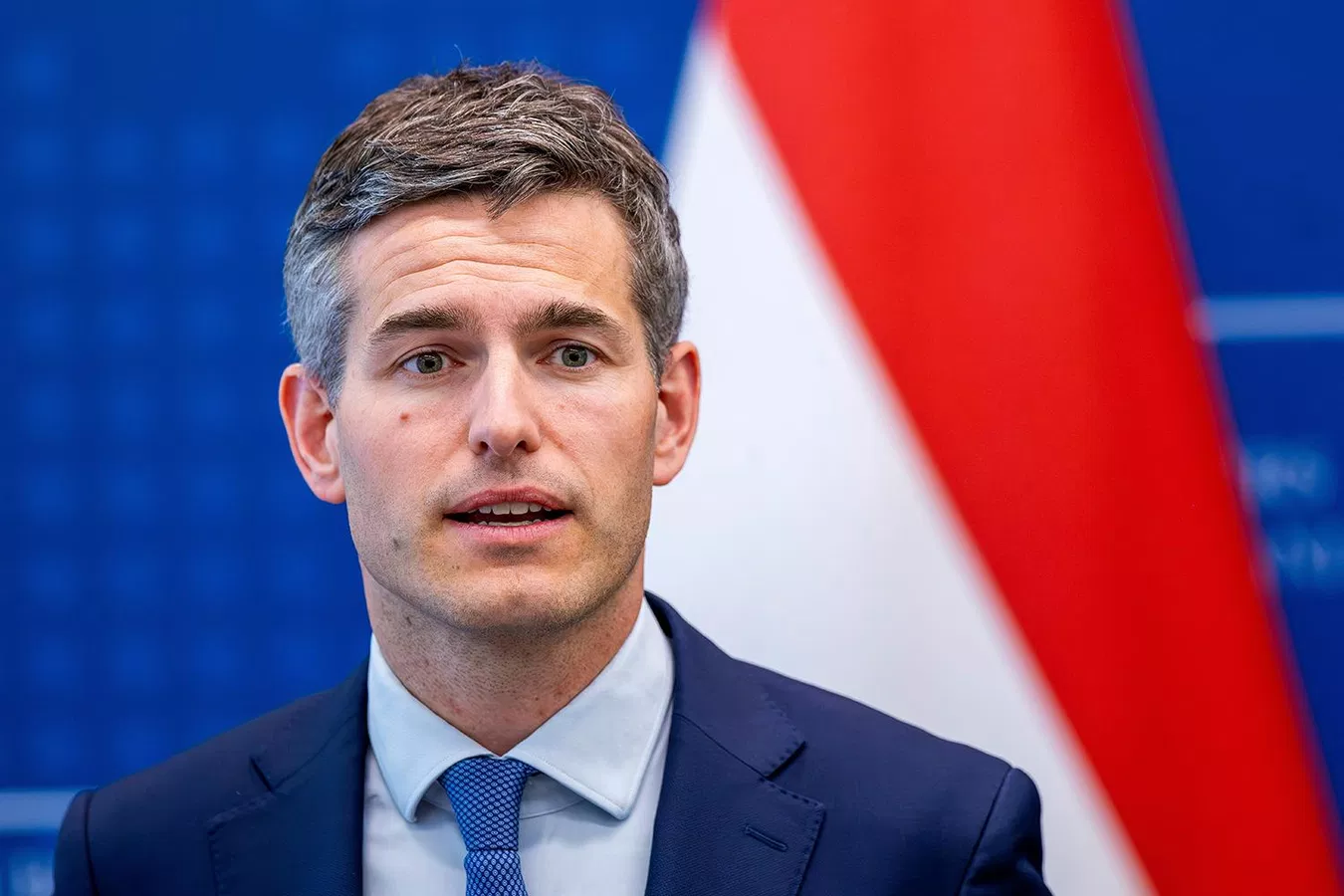
Dutch Foreign Minister Tom Berendsen announced the initiative in Baku on 26 October, following talks with Azerbaijani Foreign Minister Jeyhun Bayramov. On 27 October, he confirmed the plan in Yerevan at a joint press conference with his Armenian counterpart, Ararat Mirzoyan. Berendsen said the project would involve both countries and help build trust between them. He did not disclose the amount of funding, the implementation timetable or the specific activities planned.
The scale of the unresolved issue is reflected in the figures reported by the two sides. According to the ICMP, in July 2023 the Armenian authorities listed 777 people as missing from the First Karabakh War and a further 195 people, including 20 civilians, as missing following the 2020 war. Azerbaijan’s State Commission on Prisoners of War, Hostages and Missing Persons reported that, as of 30 June 2026, 4,010 people remained listed as missing in the country. Of these, 4,004 went missing during the First Karabakh War and six during the 2020 hostilities. The total included 3,228 military personnel and 782 civilians.
These figures concern a conflict spanning several decades. It began in 1988 and escalated into a full-scale war in the early 1990s. The unresolved cases have persisted through subsequent rounds of fighting, including the 2020 war and Azerbaijan’s military operation in Nagorno-Karabakh in September 2023. Families on both sides continue to search for information about relatives whose fate remains unknown. For them, the absence of reliable information means years of uncertainty, while the broader question of missing persons remains one of the conflict’s most enduring humanitarian consequences.
The International Commission on Missing Persons is an independent intergovernmental organisation established in 1996 at the initiative of US President Bill Clinton during the G7 summit in Lyon. Since 2014, it has operated under an international agreement, and its headquarters are in The Hague.
The ICMP’s work in the region predates the latest funding announcement. In 2022, its representatives visited Armenia and Azerbaijan to discuss measures to locate missing people. In the summer of 2023, the organisation assessed the legal and institutional frameworks in both countries, their forensic capabilities and the extent to which relatives were involved in search efforts. Its recommendations included improving databases, strengthening procedures for locating and examining burial sites, expanding DNA-based identification and involving families more actively. The commission also proposed establishing an independent mechanism to compare DNA profiles through cooperation between the two countries.
Armenia and Azerbaijan do not have a joint commission on missing persons, but the relevant bodies in both countries have established direct contacts. According to Reuters, cooperation between Azerbaijan’s State Commission and Armenia’s Interdepartmental Commission on Prisoners of War, Hostages and Missing Persons has been under way since February 2025. The two sides exchange information as part of these efforts.
Azerbaijan has said it provided the Armenian side with a list of 834 people whom it considers to have been captured or taken hostage during the First Karabakh War. Additional information was supplied for 104 of those cases. In January 2026, Armenia handed over DNA profiles from relatives of 50 missing ethnic Armenians. According to the Azerbaijani side, however, none of the profiles matched the human remains recovered to date.
The issue has also been included in the draft peace agreement initialled by Armenia and Azerbaijan in August 2025 with US mediation. The document provides for the exchange of available information, efforts to locate and return human remains, and investigations into cases of disappearance. In October 2026, Armenian Prime Minister Nikol Pashinyan said he had discussed with Azerbaijani President Ilham Aliyev the need to intensify cooperation on the issue.
The Netherlands’ initiative comes as Armenia and Azerbaijan continue to address the humanitarian consequences of their conflict alongside broader efforts to advance the peace process. Establishing the fate of missing people requires more than political declarations: it depends on access to information, reliable records, forensic expertise and sustained cooperation between the two countries. The proposed funding could support that work, although its practical impact will depend on the resources allocated, the activities undertaken and the willingness of both sides to share information and coordinate their efforts.