Queues at Verkhny Lars border crossing emerge amid rumours of a new mobilisation in Russia
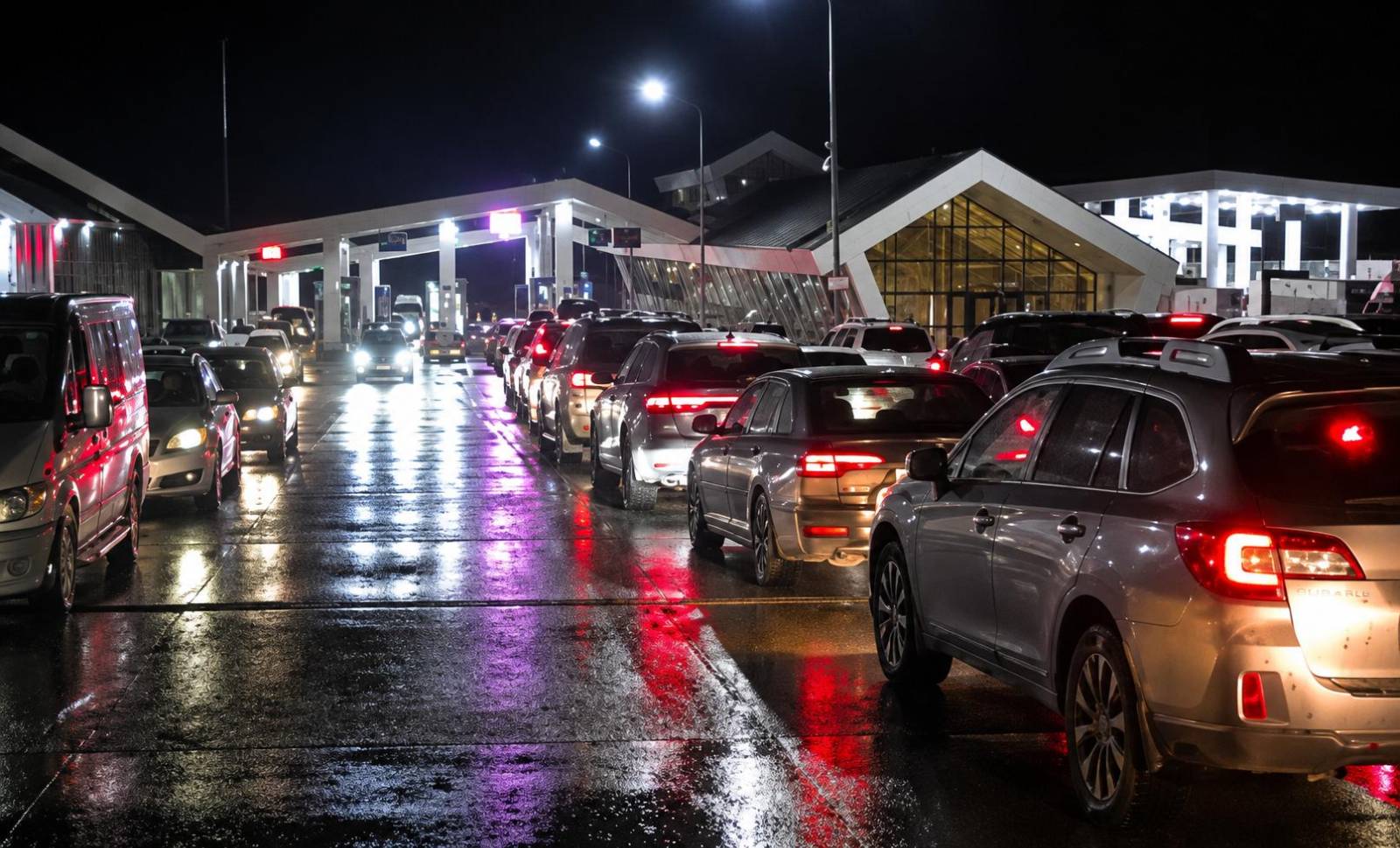
Queues remain at the Russian-Georgian border following temporary restrictions on traffic through the Verkhny Lars crossing. The situation has drawn additional attention amid rumours circulating in Russia about a possible new mobilisation, recalling the autumn of 2022, when large numbers of men eligible for military service left the country through the crossing. There is no official evidence linking the current restrictions to any mobilisation measures.
Traffic problems began on Aug. 13 after Georgia's monitoring system detected a risk of a mudflow in the Devdoraki Gorge. Traffic through the Kazbegi–Verkhny Lars border crossing was subsequently suspended.
Russian authorities said all traffic on the Vladikavkaz–Lars section "in the direction of exit from the Russian Federation" had been banned. They cited unsafe driving conditions caused by deteriorating weather in Georgia and a recommendation from Georgian border police.
Several hours later, Georgian authorities reported that the risk of a mudflow had decreased and traffic resumed. However, a queue had already built up on the approaches to the border and remained even after the crossing reopened.
The disruption prompted renewed discussion on social media about the possibility of restrictions on leaving Russia in connection with a potential new wave of mobilisation. Concerns have been fuelled by the expansion of Russia's electronic military summons system and debate over possible restrictions on foreign travel for men liable for military service. No new mobilisation has officially been announced in Russia.
There is also no evidence that the current problems at Verkhny Lars are linked to preparations for mobilisation or an intentional restriction on Russians leaving the country. Russian and Georgian authorities have attributed the disruption to weather conditions and the risk of a mudflow. There have been no confirmed reports of large numbers of military-age men being denied permission to cross the border.
The heightened sensitivity surrounding Verkhny Lars is partly rooted in the events of September 2022. After President Vladimir Putin announced a "partial mobilisation" on Sept. 21, the crossing became one of the main routes used by Russians fleeing the country.
Within days, a multi-kilometre traffic jam formed on the Georgian Military Highway, with some people reportedly waiting several days to cross the border.
On some days, the queue was estimated at 20 to 30 kilometres. People abandoned their cars and attempted to reach the checkpoint by bicycle and scooter, as pedestrians had not previously been permitted to cross the road checkpoint. Authorities eventually made an exception to the normal operating rules and allowed people to cross Verkhny Lars on foot.
The situation developed into a humanitarian crisis. People stranded on the road reported shortages of water, food and fuel, as well as a lack of places to sleep. Prices for transport and bicycles rose sharply. Volunteers on the Georgian side also collected and delivered food, water and medicines to those waiting at the border.
Tensions increased after Russian military vehicles were reportedly seen near the checkpoint and reports emerged of a temporary mobilisation office being set up there. On Sept. 27, 2022, authorities in North Ossetia confirmed that a military enlistment office task force was operating at the checkpoint and issuing summonses to men eligible for military service.
The experience of 2022 makes any reports of restrictions at Verkhny Lars particularly sensitive amid renewed mobilisation rumours. However, there are currently no signs that the same scenario is unfolding at the Russian-Georgian border.