About 90 drones attack Russia's Rostov region, injuring woman

About 90 drones were destroyed overnight in eight districts of Russia's Rostov region, regional authorities said on Aug. 13. A woman was injured at a recreation centre, while a school and several other facilities were damaged. Fires were reported in two districts.

Rostov Region Governor Yury Slyusar said drones were destroyed over the Millerovsky, Azovsky, Belokalitvinsky, Kamensky, Krasnosulinsky, Myasnikovsky, Tarasovsky and Chertkovsky districts.A woman was injured when a drone crashed at the Istok recreation centre near the town of Donetsk, according to Slyusar. She was taken to a local hospital in moderate condition.In the village of Volchensky in Kamensky district, part of a school grounds caught fire during the attack. The blaze was extinguished, but several windows in the school building were shattered.

Another fire, involving dry vegetation, broke out near the village of Nizhnyaya Kovalevka in Krasnosulinsky district.Regional authorities said there were no other reported casualties.
The overnight attack on Aug. 13 followed another strike on the region the previous day. On Aug. 12, two private homes and a power transmission line were damaged, according to local authorities.

The Rostov region has faced repeated large-scale drone attacks in recent weeks. Authorities said more than 60 drones were destroyed there overnight on Aug. 12.
On Aug. 2, falling drone debris caused a fire at a grain elevator in Millerovsky district. On the night of July 25, four people were injured in Rostov-on-Don and another person in Krasnosulinsky district following drone attacks. In July, falling drone debris also caused fires in a wheat field and a forested area.

The overnight raid on Aug. 13 was among the largest reported attacks on the Rostov region in recent weeks in terms of the number of drones Russian authorities said they had destroyed.
Последние новости
Crimean Tatar political prisoner, sentenced to 17 years in a
Human rights
Crimean Tatar political prisoner, sentenced to 17 years in a "Hizb ut-Tahrir" case, dies in a Murmansk penal colony
29 November 2026

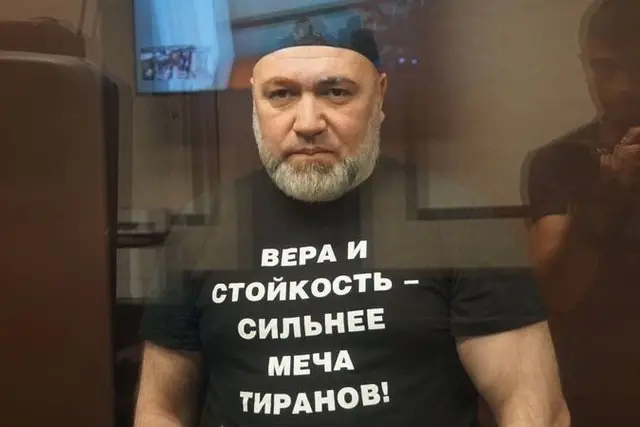
Jebbar Bekirov, a 56-year-old Crimean Tatar political prisoner, has died in a Russian penal colony in the Murmansk region. He was serving a 17-year sentence in connection with the case of the so-called "second Sevastopol group" of Hizb ut-Tahrir. His death was announced on November 28 by Eskender Bariiev, head of the Crimean Tatar Resource Center (CTRC). The cause of death is not yet known.

Mother of Ossetian athlete who went missing in Dagestan asks Elon Musk to check satellite data
Society
Mother of Ossetian athlete who went missing in Dagestan asks Elon Musk to check satellite data
29 November 2026

Diana Tsomartova, the mother of Anna Tsomartova—an athlete who went missing in Dagestan—has appealed to American entrepreneur Elon Musk for help in the search for her daughter. She hopes that satellites or other space-based assets belonging to his companies might have captured events that took place along the Caspian Sea coast on the day the young woman disappeared.

Tsarukyan’s party challenges Armenian election results in courts in Yerevan and Strasbourg
Politics
Tsarukyan’s party challenges Armenian election results in courts in Yerevan and Strasbourg
29 November 2026

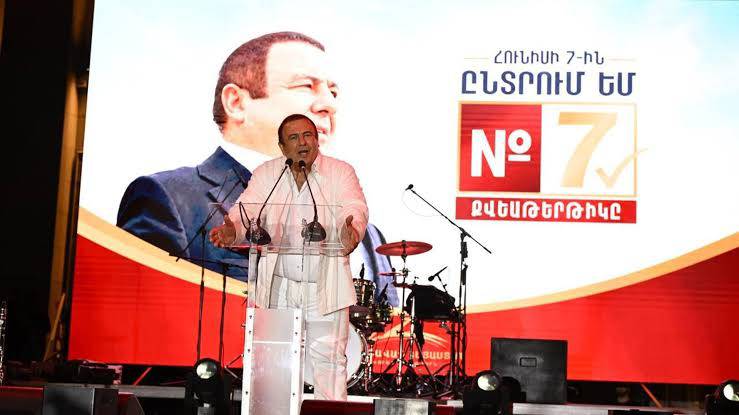
The opposition "Prosperous Armenia" party, led by businessman Gagik Tsarukyan, has filed three new appeals with the Constitutional Court of Armenia and submitted an application to the European Court of Human Rights (ECHR) regarding the results of the June 7 parliamentary elections. The party asserts that errors during the vote count and decisions made by the Central Election Commission (CEC) deprived it of parliamentary representation.

Mass protest in Tbilisi marks two years since Georgia froze its EU accession process
Society
Mass protest in Tbilisi marks two years since Georgia froze its EU accession process
28 November 2026

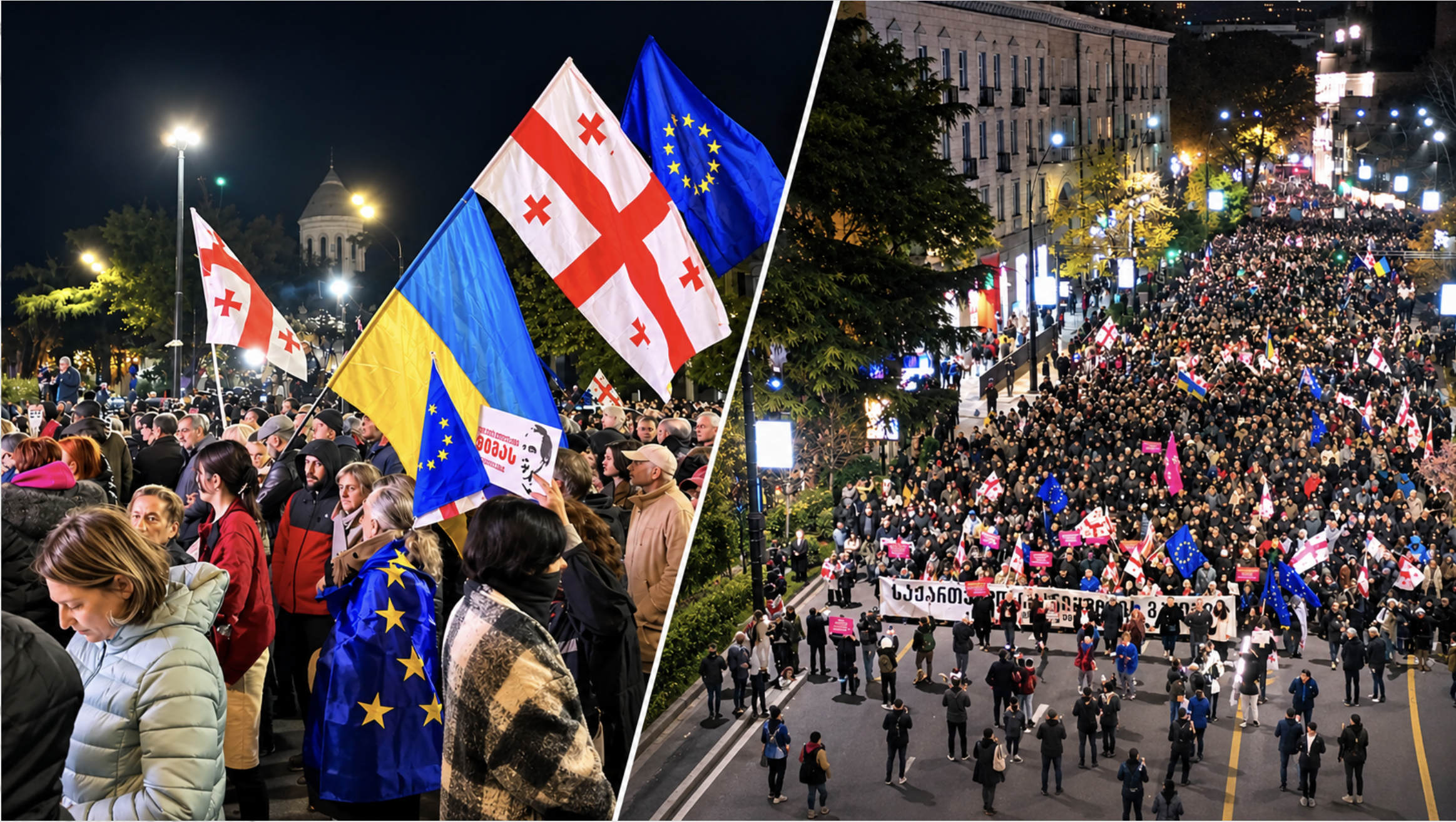
A large-scale anti-government demonstration is taking place in Tbilisi this evening, marking the second anniversary of the start of sustained pro-European protests. Over the past two years, hundreds of protesters have been detained, dozens have been imprisoned, relations between Tbilisi and Brussels have deteriorated sharply, and five leading opposition parties are facing a possible ban.