Pashinyan May Recall Armenian Ambassador to Russia Amid Renewed Bilateral Tensions
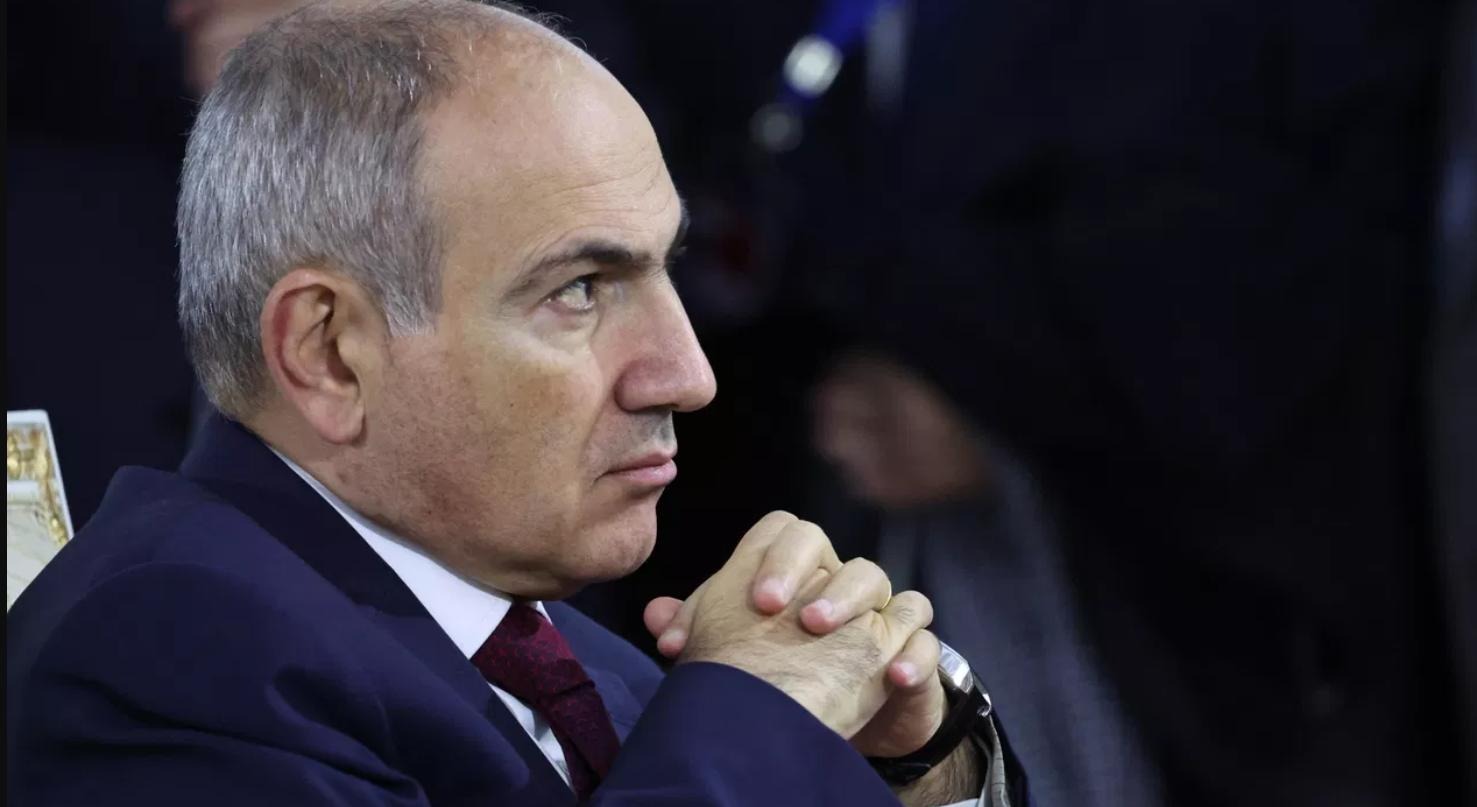
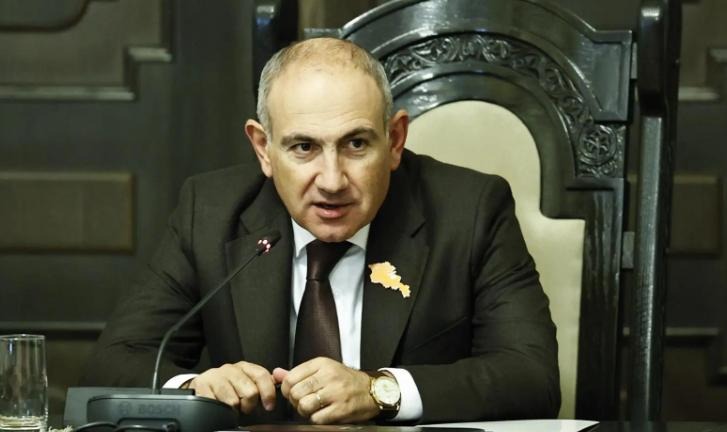
Armenian Prime Minister Nikol Pashinyan has decided to recall the country's ambassador to Russia, Gurgen Arsenyan. This was reported by the Armenian newspaper *Zhoghovurd*, citing government sources. According to these sources, Pashinyan is dissatisfied with the diplomat's performance, believing he failed to alleviate tensions between Yerevan and Moscow.
The publication's sources state that the decision to recall Arsenyan is final. It is not yet known who will replace him; according to *Zhoghovurd*, there is currently no candidate for the position. There has been no official confirmation from Armenian authorities as of the time of publication.
Arsenyan took charge of the Armenian embassy in Moscow in August 2024. Prior to his appointment, he served as a Member of Parliament representing the ruling Civil Contract party.
The change of ambassador comes against the backdrop of a marked deterioration in Armenian-Russian relations. In recent months, Moscow has imposed restrictions on imports from Armenia. These bans have affected products such as flowers, alcohol, vegetables, fruit, fish, and dairy. Russian agencies justified the restrictions by citing the need to ensure consumer safety. Yerevan, for its part, labeled the measures unfounded and pointed out that they contradict existing agreements within the EAEU framework.
At the same time, Yerevan continues to distance itself from its previous reliance on the Russian market. Pashinyan has previously stated that Armenia will diversify its foreign economic ties even if the current supply issues with Russia are resolved. He noted that Yerevan rejects Moscow's expectation that relations with Russia must be exclusive.
Armenia's pro-European trajectory also remains a major point of friction in relations between the two countries. Yerevan is moving toward closer ties with the EU, while Moscow demands that Armenian authorities clarify their foreign policy stance and simultaneously insists on the fulfillment of obligations within the EAEU and the CSTO. Yerevan froze its participation in the CSTO in 2024.
Against this backdrop, Armenia is attempting to redirect a portion of its exports to the European market. The EU has allocated €52 million in emergency aid to the country to strengthen economic resilience and reorient export flows. In the first six months of 2026, Armenian exports to the European Union rose by 80%—reaching $516 million, up from $287 million the previous year.