Wearing niqabs recommended to be avoided in Astrakhan Region
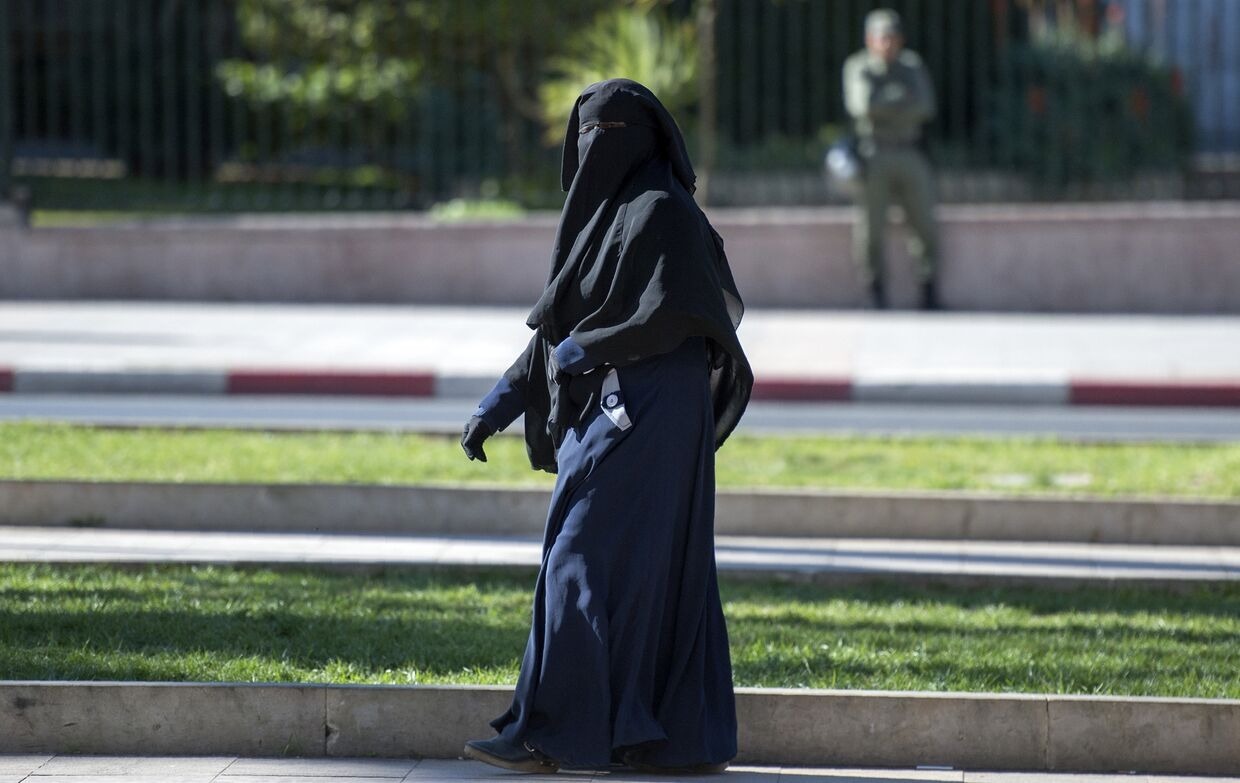
The Spiritual Administration of Muslims of the Astrakhan Region recommended believers to refrain from wearing niqabs in public places. They explained that such clothing is associated with high risks of Islamophobia in society, and under certain circumstances can negatively affect public safety measures. The corresponding message was published after a meeting of members of the Spiritual Administration of Muslims chaired by the Mufti of the Astrakhan Region Rauf Hazrat Dzhantasov.
Recently, at the Festival of New Media, the press secretary of the President of the Russian Federation Dmitry Peskov voiced his position regarding the ban on wearing niqabs.
“We live in a time when situations arise that require ensuring security. And, of course, in these situations, people with covered faces contradict the tasks that law enforcement agencies face,” he noted.
Earlier, the muftiates of Dagestan, Karachay-Cherkessia and North Ossetia effectively introduced a temporary ban on wearing niqabs. They explained this decision by safety considerations for the population. Allegedly, a woman in such clothes can carry weapons and other dangerous objects.