From "questionable elections" to "spirit of friendship" and festivals: Moscow and Yerevan have noticeably changed tone since the elections
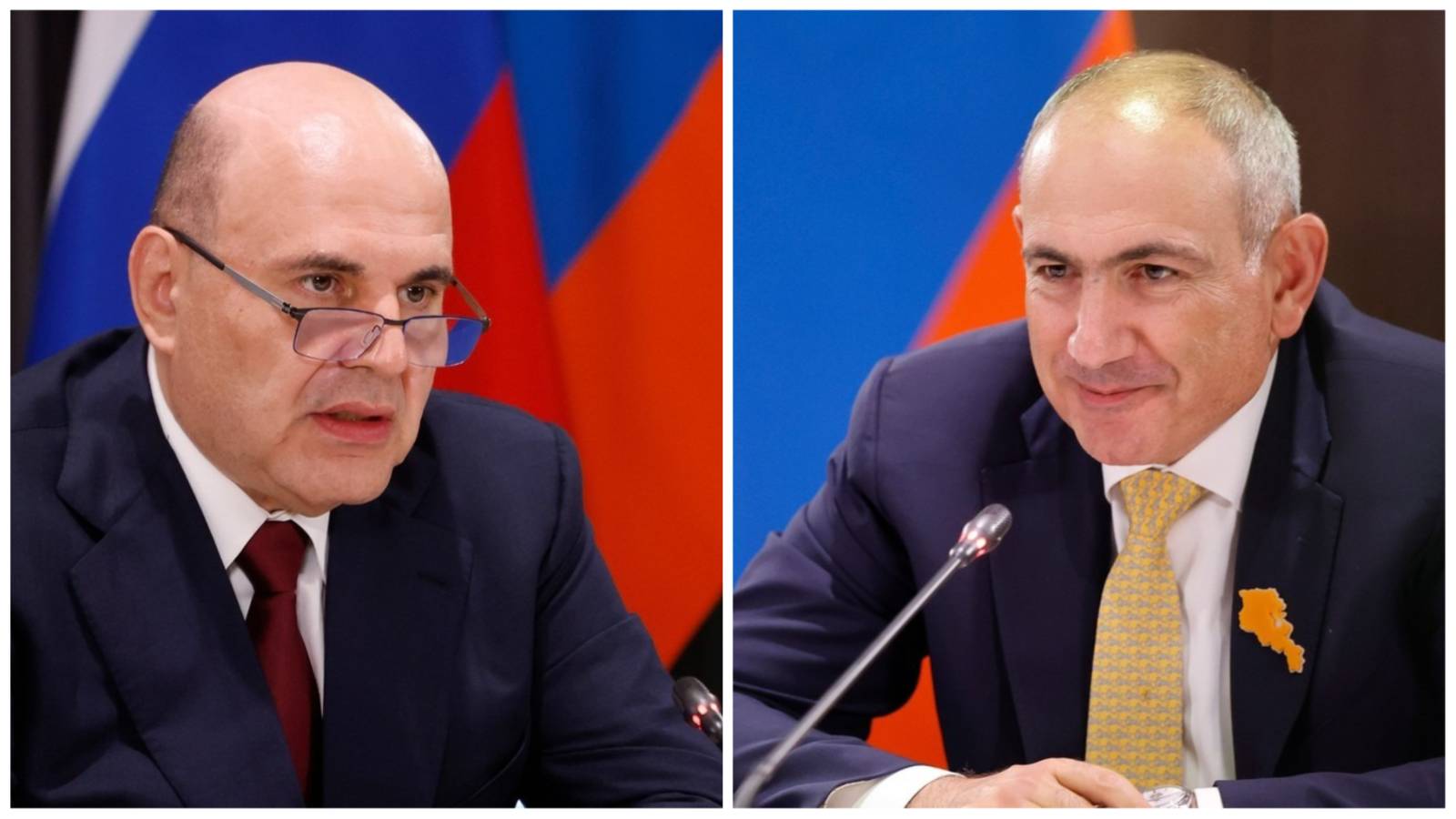
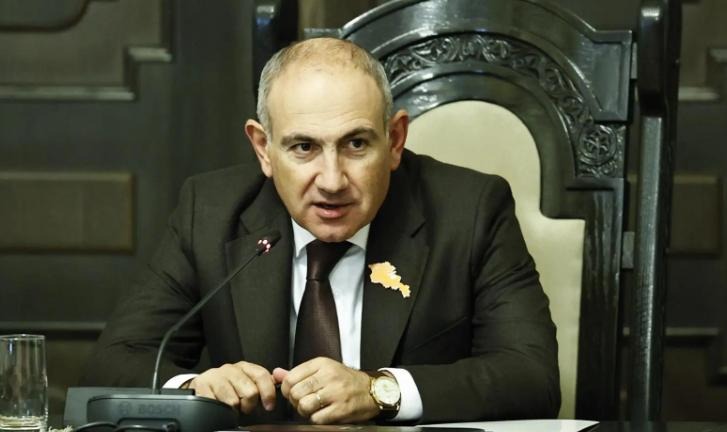
Armenian Prime Minister Nikol Pashinyan, who arrived in Yekaterinburg to participate in the Innoprom-2026 international industrial exhibition, met with Russian Prime Minister Mikhail Mishustin. During the talks, the two sides exchanged emphatically positive statements about the prospects for bilateral relations, despite the sharp deterioration that accompanied the parliamentary elections in Armenia.
This is Pashinyan's first visit to Russia since his party's victory in the parliamentary elections on June 7. It comes amid ongoing Russian restrictions on imports of Armenian products, imposed by the Russian Federal Service for Veterinary and Phytosanitary Surveillance (Rosselkhoznadzor) in May-June 2026. The bans affected the import of Armenian flowers, fresh vegetables and fruits, as well as the certification of fish products.
According to Pashinyan, Armenia's commitment to developing cooperation with Russia remains unchanged.
"We are committed to further developing our relations with Russia, both before and after the elections," the Armenian Prime Minister stated.
He acknowledged that some contentious issues have arisen between the two countries recently, but expressed hope that they will be resolved through negotiations.
"This meeting is a very good opportunity to discuss the full range of our relations. Some problematic issues have arisen recently, and, of course, I hope that we will discuss and resolve them. We are interested in our participation in the Eurasian Economic Union, and we are interested in ensuring that the mechanisms stipulated by the agreement on the Eurasian Economic Union operate as planned," the Armenian leader stated.
He also noted that constructive dialogue is in the interests of the further development of the EAEU and expressed hope that the meeting will lead to solutions on specific issues.
Mikhail Mishustin, for his part, stated that Moscow expects the steady development of relations to continue after the formation of the new Armenian government.
"We expect that the new government formed following the vote will ensure the progressive development of Russian-Armenian relations in the spirit of friendship, good-neighborliness, mutual respect, and consideration of mutual interests," the Russian prime minister said.
Mishustin also emphasized that the Russian side attaches "great importance to cultural and humanitarian cooperation with our Armenian partners" and proposed "continuing the tradition of holding Culture Days, exhibitions, and festivals, and strengthening educational and youth contacts." "There are good opportunities for expanding direct interregional ties," the Russian prime minister noted.
The current exchange of friendly statements stands in marked contrast to the atmosphere that accompanied the Armenian election campaign. Contrary to established practice between allied states, the Russian leadership did not congratulate Nikol Pashinyan on his party's victory. Moreover, a number of high-ranking Russian officials publicly questioned the vote results. In particular, Sergei Naryshkin, Director of the Russian Foreign Intelligence Service, stated that the elections were not easy, and their results were "in a certain sense questionable."
On the eve of the elections, Russian President Vladimir Putin expressed interest in the participation of forces advocating for the development of an alliance with Moscow in the political process. During this same period, Russia imposed restrictions on the import of certain Armenian goods. These measures remain in effect today. In Yerevan, as well as in European political circles, they were viewed as an attempt to exert economic pressure on the Armenian authorities.
Thus, the first post-election meeting of the heads of government demonstrated a noticeable softening of the public rhetoric between Moscow and Yerevan, despite the fact that the causes of the recent political and trade conflict have not been officially resolved. Armenia maintains its course toward developing relations with the European Union, while Moscow continues to assume that Yerevan will eventually have to make a strategic choice between European integration and participation in the Eurasian Economic Union.
Meanwhile, some analysts had also anticipated a similar development. Thus, on June 13, a week after the parliamentary elections, Carnegie Politika suggested that the pre-election confrontation between Moscow and Yerevan was largely tactical in nature and would eventually give way to détente, as this served the interests of both sides. According to the publication, "Pashinyan himself understands the need to reduce tensions in relations with Russia," and "the Kremlin, it seems, will readily accept him. Despite all the threatening rhetoric, the Armenian prime minister remains a leader with whom Vladimir Putin is willing to engage. Not as an ally, but as a partner, albeit a problematic one."