Pashinyan proposes exchanging enclaves with Azerbaijan to ensure a contiguous border
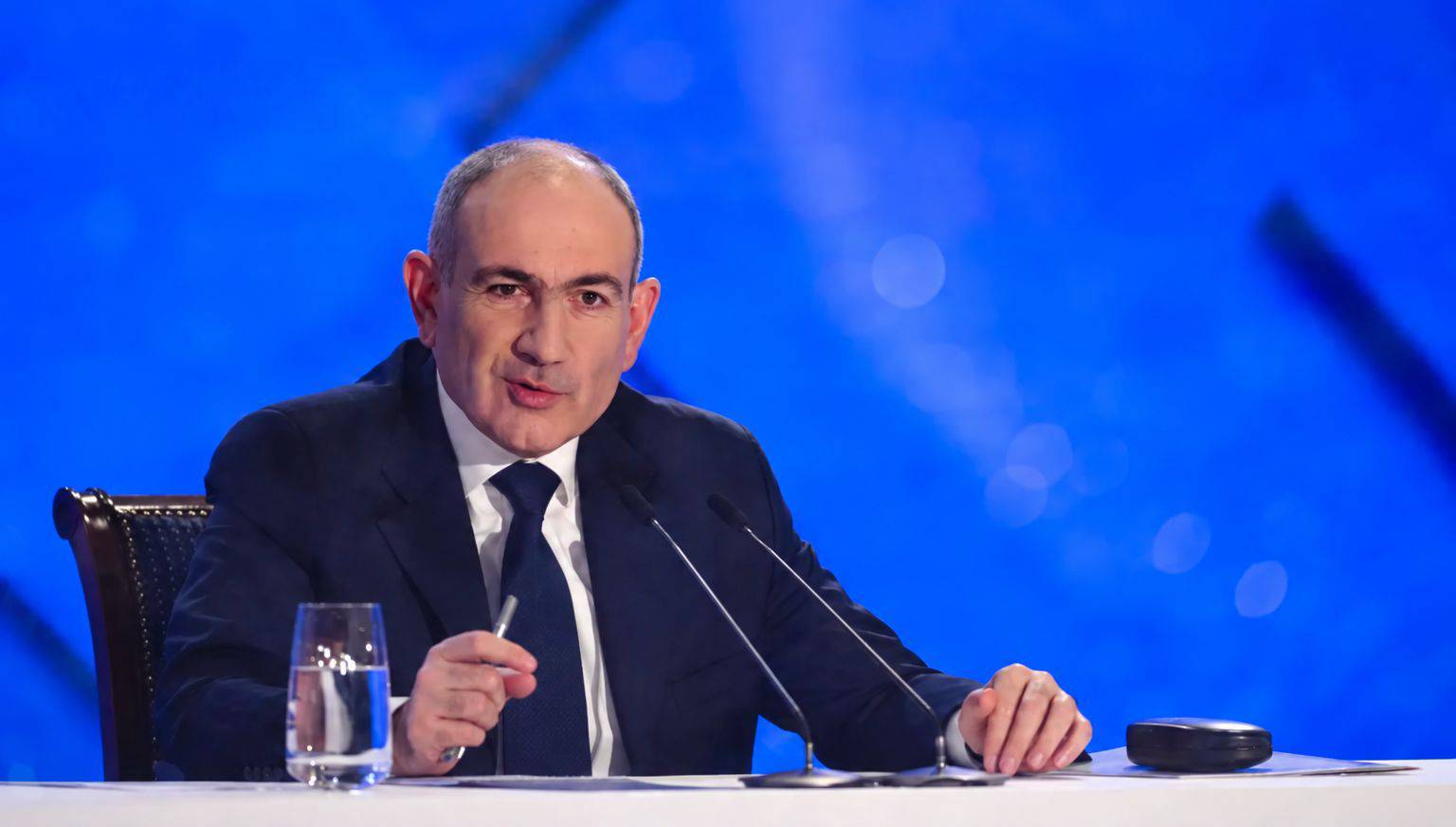
Armenian Prime Minister Nikol Pashinyan believes that Yerevan and Baku should exchange territories of comparable size to eliminate any remaining enclaves and exclaves along their shared border. This was reported by Armenpress, citing a video address by the Armenian head of government published on October 14.
Under the proposed formula, Armenia’s total area would be 29,743 square kilometers, and border delimitation and demarcation would be carried out based on the 1991 Alma-Ata Declaration.
The Prime Minister also outlined the principles that should govern relations between the two countries following the signing and ratification of a peace agreement.
"Armenia and Azerbaijan should make no claims against one another and should leave each other alone regarding all issues," he said.
He identified Karabakh, Gardman, Shirvan, Nakhichevan, and the concept of so-called "Western Azerbaijan" as topics that should not become grounds for mutual demands.
A separate point in his proposals concerns transport links. Pashinyan believes that roads and communication routes should operate not only within the framework of the TRIPP project—the "Trump Route for International Peace and Prosperity"—but also beyond it.
"All communication routes must function and remain open, including those providing connections from Armenia to Armenia via Azerbaijani territory and from Azerbaijan to Azerbaijan via Armenian territory," the head of government emphasized. According to him, following recent contacts with Azerbaijani President Ilham Aliyev in Turkmenistan, he formed a preliminary impression that such a peace settlement option is feasible. Yerevan intends to work on turning this possibility into reality in the near future.
A practical solution regarding the enclaves has not yet been agreed upon. In September, Pashinyan stated that Armenia and Azerbaijan had not yet reached an agreement on exactly how to resolve the situation concerning these territories.
The issue involves several areas that belonged to one republic during the Soviet era but ended up surrounded by the territory of the other. Specifically, Azerbaijan lays claim to a number of former enclaves within Armenian territory, including Kyarki—which the Armenian side calls Tigranashen. Conversely, the Armenian exclave of Artsvashen is under Azerbaijani control.