Pashinyan: Karapetyan's "secret plan" is to provoke an economic crisis and change the government
Armenian Prime Minister Nikol Pashinyan stated that part of the Armenian opposition is interested in tightening Russian restrictions on imports into the country. According to him, economic pressure should lead to a crisis and protests, which could then be used to change the government.
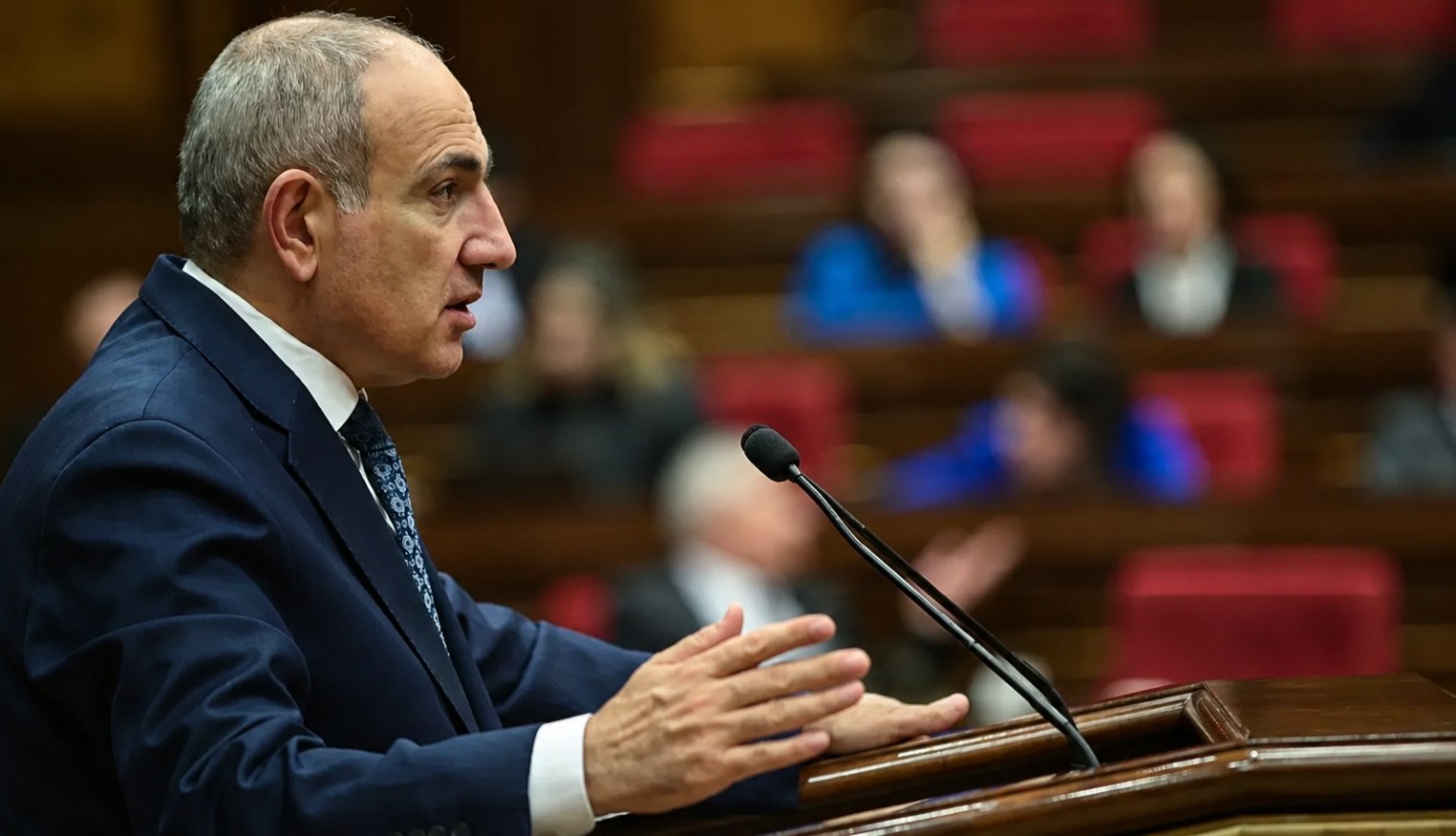
Pashinyan outlined his vision of the situation in the National Assembly during the presentation of the government's program. He claimed that some opposition forces allegedly reached an agreement with Russian representatives that the restrictions would help them win the parliamentary elections on June 7.
"These same Armenian circles are now assuring the same Russian circles that if the restrictions continue and become more stringent, they will carry out a change of power through street fighting," Pashinyan said.
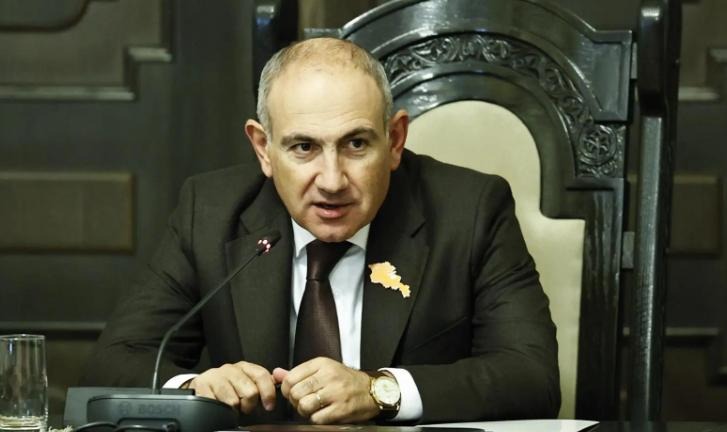
The prime minister linked this scheme to the "secret plan" that Strong Armenia bloc leader Samvel Karapetyan spoke about after the elections. At a briefing on June 7, Karapetyan stated that his political force had such a plan, but did not reveal its contents.
Now Pashinyan claims to know the precise motive behind this statement. He claims it is an attempt to provoke an economic crisis through external pressure, so that public discontent would escalate into mass protests.
"According to this plan, with the support of its sponsors, economic restrictions would be introduced in Armenia that would lead to a socio-economic crisis, so that the people would rise up in a social revolt against the government. This is the essence of the 'secret plan,'" the prime minister stated.
Pashinyan, however, provided no evidence in his speech that the opposition had actually approached the Russian side with such a request. His statement came amid ongoing tensions between Yerevan and Moscow.
The prime minister emphasized that the Armenian authorities have no intention of severing dialogue with Russia. According to him, Yerevan remains interested in mutually beneficial cooperation, but intends to pursue a more balanced foreign policy and build relations with Moscow under new conditions.
At the same time, Pashinyan noted that similar attempts to change the government through pressure have already been made and ended in failure.
"Because the people of Armenia will not cede their statehood, independence, or sovereignty to the mafia, and the Armenian economy will continue its dynamic development," the prime minister said.