Pashinyan says Armenia may replace Russian operator of its railways
Armenia is considering fully or partially replacing the Russian company that operates the country's railway network, Prime Minister Nikol Pashinyan said. Yerevan hopes to resolve the issue with Moscow through compromise rather than taking what he described as "sharp decisions".
"We want a friendly solution to the railway issue and do not want to resort to sharp decisions. We need to understand each other's interests and seek compromises," Pashinyan said at a briefing.
He said several options were being considered for the future of the concession, including its full or partial sale.
The prime minister stressed, however, that the issue was not the Russian concession itself. Armenian authorities are concerned that the country could miss what Pashinyan described as a "historic opportunity" to integrate into international transport networks.
Pashinyan said potential major users of Armenia's railway infrastructure had so far shown little interest in investing in the network and were considering alternative routes bypassing Armenia.
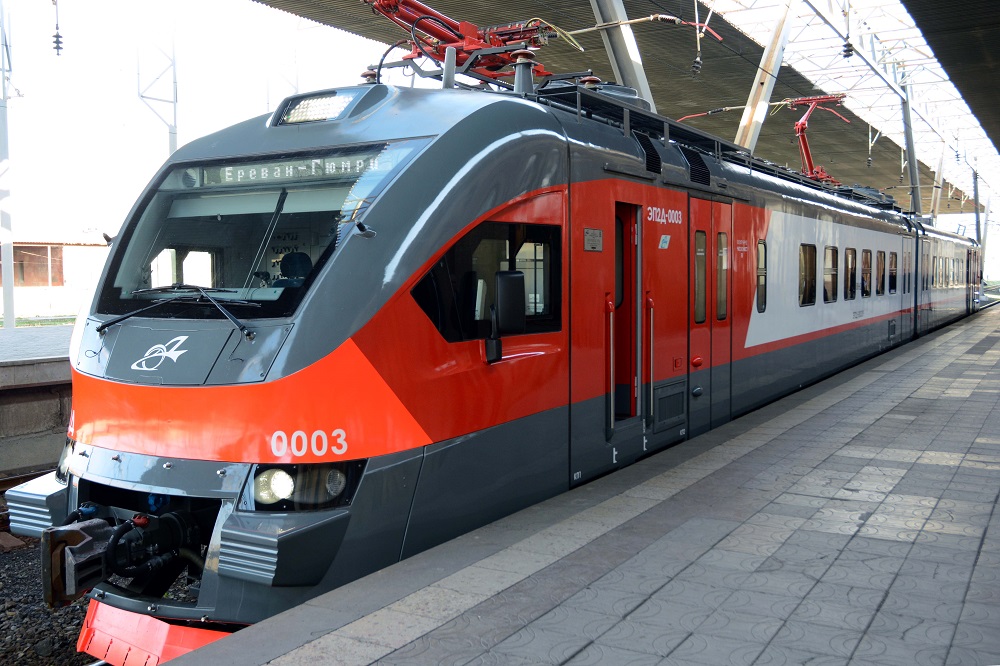
Armenia's railway network has been operated under a concession by South Caucasus Railway since 2008. The company is a subsidiary of Russian Railways (RZD). The concession agreement was signed for 30 years, with an option to extend it for another 10 years.
At the same briefing, Pashinyan also addressed Armenia's relations with the Eurasian Economic Union (EAEU). He said disagreements between Yerevan and Moscow were partly linked to Russia's expectation that the two countries would maintain an exclusive relationship.
"Regarding the EAEU, I have said that the essence of the problem is that Russia expects to have an exclusive relationship with us, and we do not agree with that. In any case, we need to diversify our relations. Even if the export problems are resolved, our agenda will not change," the prime minister said.
Armenia has in recent years sought to diversify its foreign policy and economic ties amid deteriorating relations with Russia. At the same time, Yerevan has been promoting projects aimed at reopening regional transport links that would connect Armenia with neighbouring countries and international transport corridors.