The EU Ambassador to Georgia criticized the country's authorities for backsliding on European values
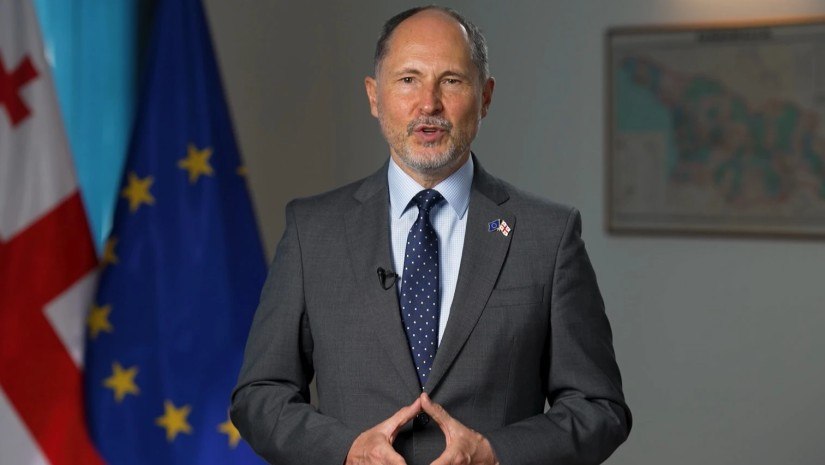
Speaking at the "Georgia in Focus" photography exhibition in Brussels, the EU Ambassador to Georgia, Pavel Gerchinsky, reiterated his concern about the country's European course. He stated that Georgia "stands at a crossroads," and decisions made in the coming weeks and months will determine its future: whether it will become part of the European family based on democracy and human rights or "return to its dark past."
Gerchinsky assured that the EU will continue to support the Georgian people, despite the adoption of laws that could restrict media funding from partner countries. He called on Georgians "not to lose hope" and emphasized his determination to help Georgia become an EU member as soon as the authorities demonstrate a "willingness to cooperate."
"My main message to the Georgian people is: don't lose hope." "We cannot allow Georgia and its wonderful, warm, and hospitable people to return to the dark times of violence, civil war, poverty, hardship, and corruption. This is not the future they deserve. As soon as the authorities express a willingness to cooperate with us, we will do everything to help Georgia become an EU member," said Pavel Gerchinsky.
In response to the ambassador's statement, influential figures from the ruling Georgian Dream party issued sharp criticism. Kakha Kaladze, the party's general secretary and Tbilisi mayor, stated that Georgia had not deviated from its European path and called the ambassador's words an attempt to "lecture, impose one's will, and dictate." He demanded that the ambassador be summoned to ask "specific questions," emphasizing that Georgia "needs friends, not masters."
Party chairman and Prime Minister Irakli Kobakhidze, in turn, stated that the ambassador “threatens the Georgian people with civil war and impoverishment” and that it would be “appropriate to summon him to the Ministry of Foreign Affairs.”