The Russian government did not support the law banning hijabs and niqabs in schools
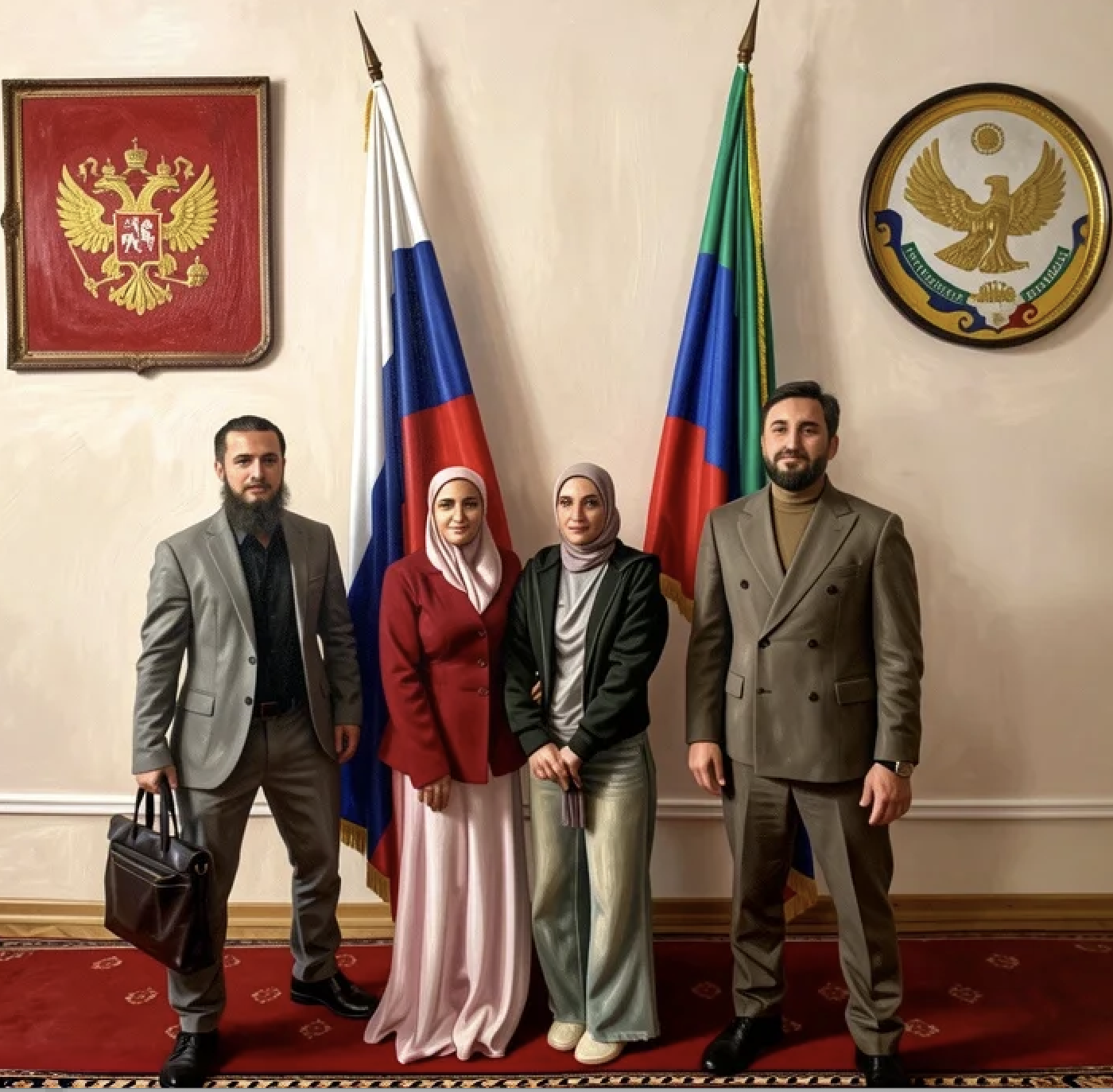
The Russian government did not support the version of the bill that allows schools and municipalities to introduce a local ban on religious clothing, including hijabs and niqabs. It is reported that the concepts of "religious clothing" and "clothing with religious attributes" are not defined in the legislation and this "may lead to ambiguous law enforcement practices."
The Russian government noted that educational institutions already have the right to establish requirements for students' clothing within the framework of methods approved by regional authorities.
Earlier, the Deputy Speaker of the State Duma of the Russian Federation Vladislav Davankov spoke out against wearing religious clothing in public places that partially or completely hides the face, as well as with religious attributes. According to him, the need to make such changes is dictated by "the need to ensure the safety of citizens of the Russian Federation."
Earlier, the muftiates of Dagestan, the Karachay-Cherkess Republic and North Ossetia effectively introduced a temporary ban on wearing the niqab. They explained this decision by safety considerations for the population. Allegedly, a woman in such clothes can carry weapons and other dangerous objects.