Human rights advocates: Russian citizens in Georgia pressured into "self-deportation" following raids on bars
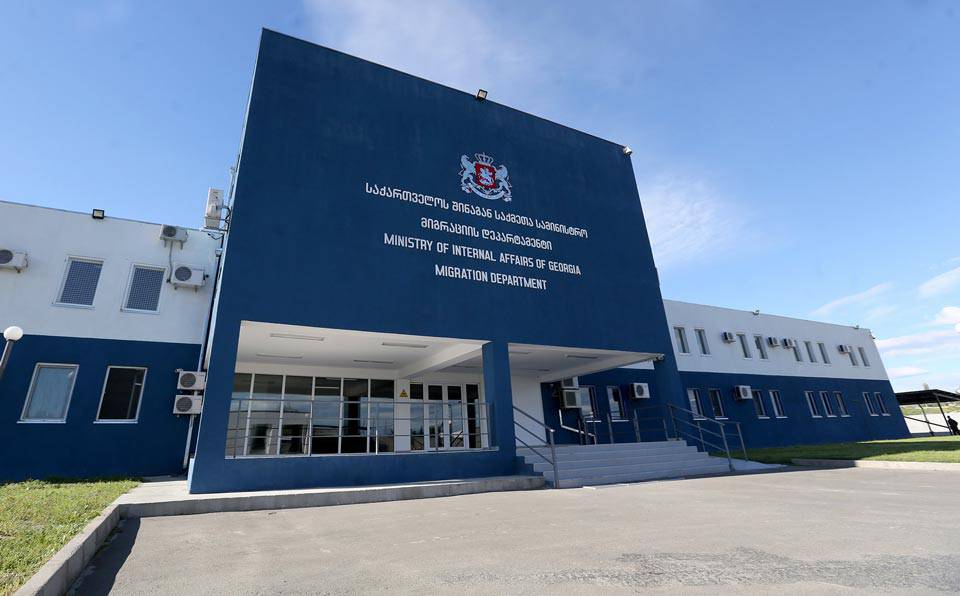
In Georgia, there has been an increase in inspections of bars and restaurants, during which the migration service identifies foreign nationals working without permits. Those detained are pressured to leave the country voluntarily, under the threat of prolonged detention. Such incidents in Tbilisi and Batumi have been reported by the human rights platform APUS.
The organization spoke with the owner of an establishment whose two employees—both Russian citizens—were expelled from Georgia. According to the owner, applications for work permits and residence permits for these individuals had been submitted on September 20. When the migration service officers arrived, the applications were still being processed.
One of the men held a valid work permit, effective until January 1, 2027. He was detained while awaiting a new document; the approval for it arrived three days after his expulsion. The second Russian national was completing a one-month internship, which the employer described as a non-paid, training-focused arrangement.
The owner claims that the migration service officers arrived in plain clothes and did not identify themselves. At the police station, the detainees were given a choice: purchase tickets and leave the country, or spend three days in a detention center—after which, they were told, they would be taken to the Russian border at the "Verkhny Lars" checkpoint.
The employer and his lawyer advised the men not to sign anything, promising to challenge the authorities' actions in court. However, according to the source who spoke to APUS, the detainees were handcuffed and threatened with nine months in a detention center if they refused to leave voluntarily.
For about 15 hours, the lawyer was unable to determine the whereabouts of his clients. The following day, it emerged that both men had signed documents agreeing to leave. An interpreter read the contents of the documents to them, but the men were not provided with copies of the paperwork. According to the owner of the establishment, there was no court order for expulsion.
Following this, the Russian nationals were taken to the Upper Lars border crossing. The only document they were left with was a fine of 2,000 lari (approximately $780) for working without a permit. Their lawyer has yet to receive any documentation regarding the expulsion or an official explanation of the events from the migration service.
APUS reports other similar cases. According to the platform, those targeted include foreigners who hold valid residence permits and own property in Georgia but lack work authorization. Some of those detained, as reported by individuals who spoke to the organization, were told they would face an entry ban—lasting several months if they left voluntarily, or up to three years if they refused to leave and insisted on a formal legal process.
Russian citizens are primarily sent out via the Upper Lars crossing, while some other foreign nationals are directed through the Sarpi checkpoint on the border with Turkey. APUS has also received reports of Ukrainian citizens being expelled under similar circumstances.
Others who spoke to the platform stated that, after opting for "self-deportation" and paying their fines, they were subsequently unable to return to Georgia. Upon reaching the border, they were issued notices of entry denial citing "other reasons," with no specified duration for the ban. APUS has not been able to independently verify these cases.
In early October, Georgia’s migration service announced that it had inspected over 20,000 foreign nationals and intended to continue these raids. On October 27, the Ministry of Internal Affairs reported that 98 individuals—including citizens of Russia, Turkmenistan, Pakistan, Turkey, Cuba, Azerbaijan, and India—had been expelled over the course of a few days. All of them have been barred from entering the country. According to the agency, more than 3,500 foreign nationals have been expelled from Georgia between the beginning of 2026 and October 27. The Ministry of Internal Affairs publishes reports on such operations roughly every five to seven days.
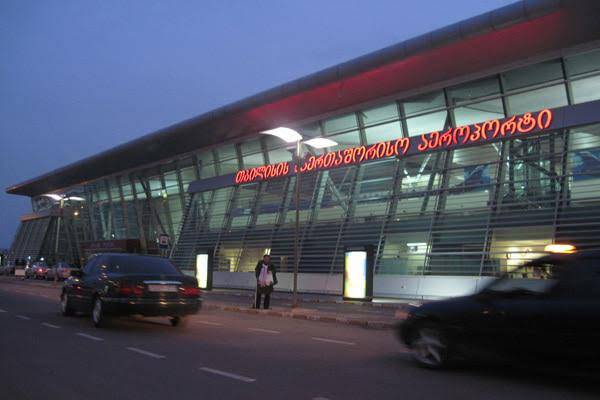
Notably, three natives of Chechnya were recently held for several days in the transit zone of Tbilisi Airport before being sent to Turkey and Italy. One of the men told *Kavkazsky Uzel* (Caucasian Knot) that the detainees were provided with food only once a day and were not allowed access to fresh air. When one of them developed high blood pressure and a headache, a guard refused to provide medication for about an hour.
A Georgian lawyer consulted by the outlet stated that the conditions described might have violated legal requirements for the detention of individuals awaiting deportation. According to the lawyer, such individuals are entitled to access to daylight and fresh air, three meals a day, and basic sanitary conditions.
One of the men sent to Italy was subsequently deported to Russia because his visa had expired. The other two held residence permits for Italy and Turkey, respectively. According to one of the passengers, the detainees were never given an explanation as to why they were denied entry or why they were subsequently deported.