Security forces' "preventive measures" in Crimea ahead of the anniversary of the deportation of the Crimean Tatar people
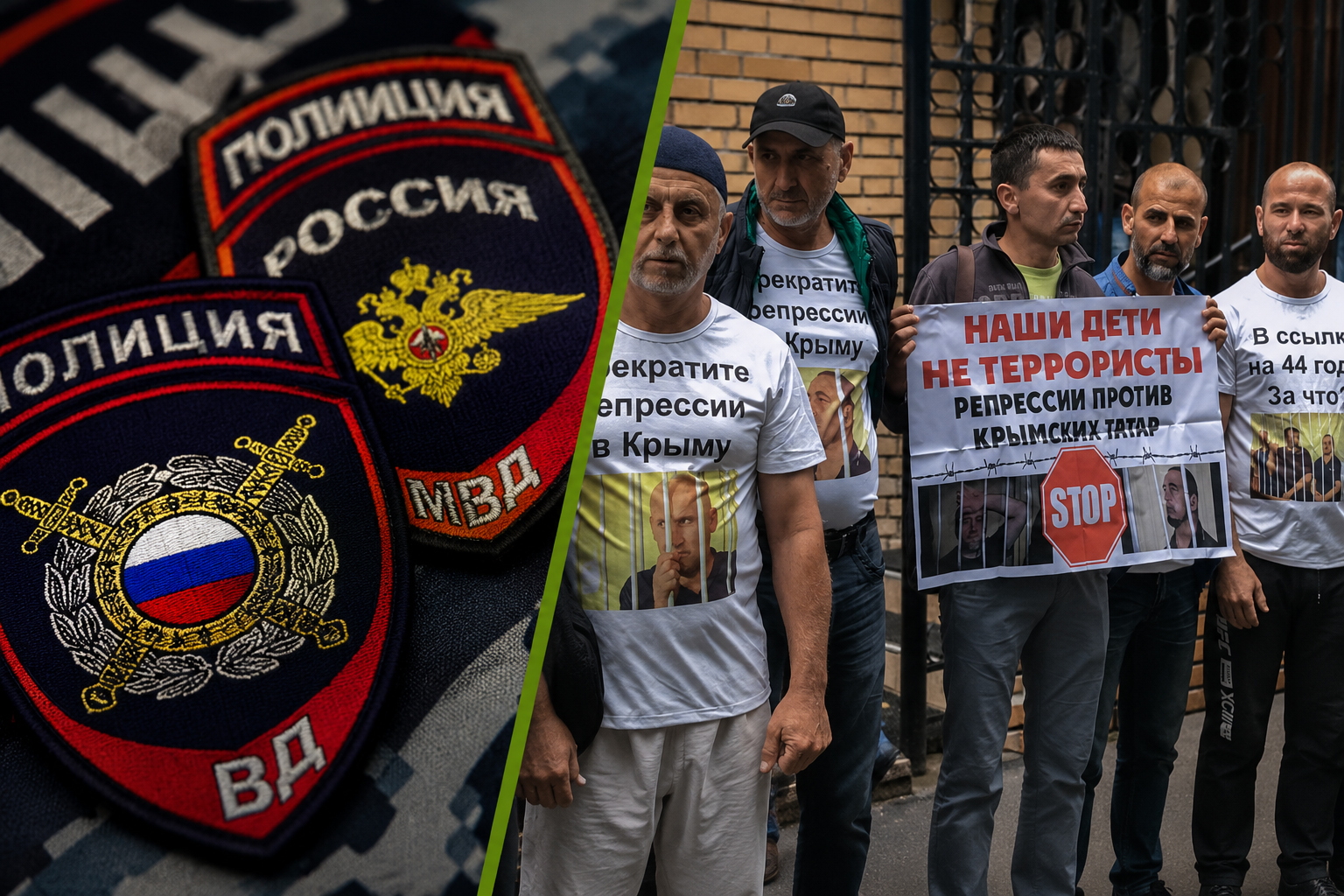
In the run-up to the Day of Remembrance of the Victims of the Deportation of the Crimean Tatar People, law enforcement officials began handing out official warnings to Crimean Tatar activists and human rights defenders against participating in unauthorized events.
Police officers visited the homes of activist Lutfiye Zudiyeva, human rights defender Mumine Saliyeva, and lawyer Lili Gemedzhi. In all cases, the measures were so-called preventive measures related to the commemorative events of May 18.
In Dzhankoy, a police officer visited Lutfiye Zudiyeva and, according to her, informed her that he was acting on instructions from the Ministry of Internal Affairs' Center for Combating Extremism. He explained the purpose of the visit as the need to "prevent offenses and crimes of an extremist and terrorist nature." The activist was asked to sign a warning, but she indicated in the document that she disagreed with its contents and did not intend to disturb public order.
"In recent years, meetings with various law enforcement agencies have become more regular—sometimes for one reason, sometimes for another," Zudieva noted.
A similar warning was also given to lawyer Lilia Gemedzhi. The document mentioned possible liability "for actions that create conditions for the commission of crimes and administrative offenses, as well as for continued antisocial behavior." Gemedzhi called the warning unfounded and expressed her disagreement in writing.
Police officers also visited the home of human rights activist Mumina Salieva. She was not home at the time of the visit, so her mother-in-law answered the door. After a phone call, the relative tried to persuade the police not to leave the documents until Salieva had personally reviewed them.
"The police said, 'Well, you know we give everyone these warnings, right?'" the human rights activist recounted.
Salieva herself admitted that she takes such actions painfully.
"To some extent, this affects my honor and dignity. What do they think I am? A criminal? What ranks do they want to label me as?" she said.
Previously, Abdureshit Dzhepparov and activist Muslim Zevriev received similar warnings. The latter refused to accept the document and stated his disagreement on video.
A similar practice is used in Crimea every year on the eve of May 18, the day of remembrance for the victims of the deportation of the Crimean Tatar people.