Russia has outlined the conditions for easing restrictions on imports of Armenian products
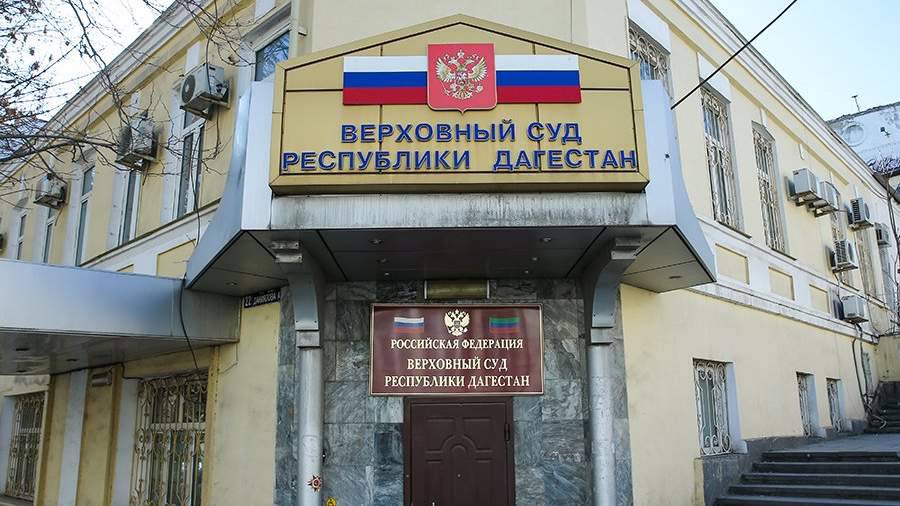
Russia is ready to reconsider import restrictions on Armenian agricultural products, but is first awaiting the results of sanitary inspections and a plan from Yerevan to demonstrate how Armenia intends to comply with EAEU requirements, Izvestia reported, citing Rosselkhoznadzor.
The agency stated that it is awaiting the "results of the investigation and information on the measures taken," as well as "an action plan proposed by the Armenian side for compliance with veterinary and phytosanitary requirements of the EAEU." Rosselkhoznadzor did not specify a specific deadline for Yerevan to submit these documents.
The Russian side attributes the restrictions to identified violations. According to the agency, Armenian processors used raw materials from countries outside the EAEU, as well as milk from animals that had not undergone veterinary inspection. Furthermore, Russian inspectors reported that the composition of Armenian alcoholic beverages did not comply with GOST requirements.
Rosselkhoznadzor also claims that after the abolition of the Armenian Ministry of Agriculture in 2019, control over this sector was transferred to the Ministry of Economy, which, according to the Russian side, does not sufficiently oversee production and certification of products. The agency stated that certificates were issued without the necessary laboratory testing.
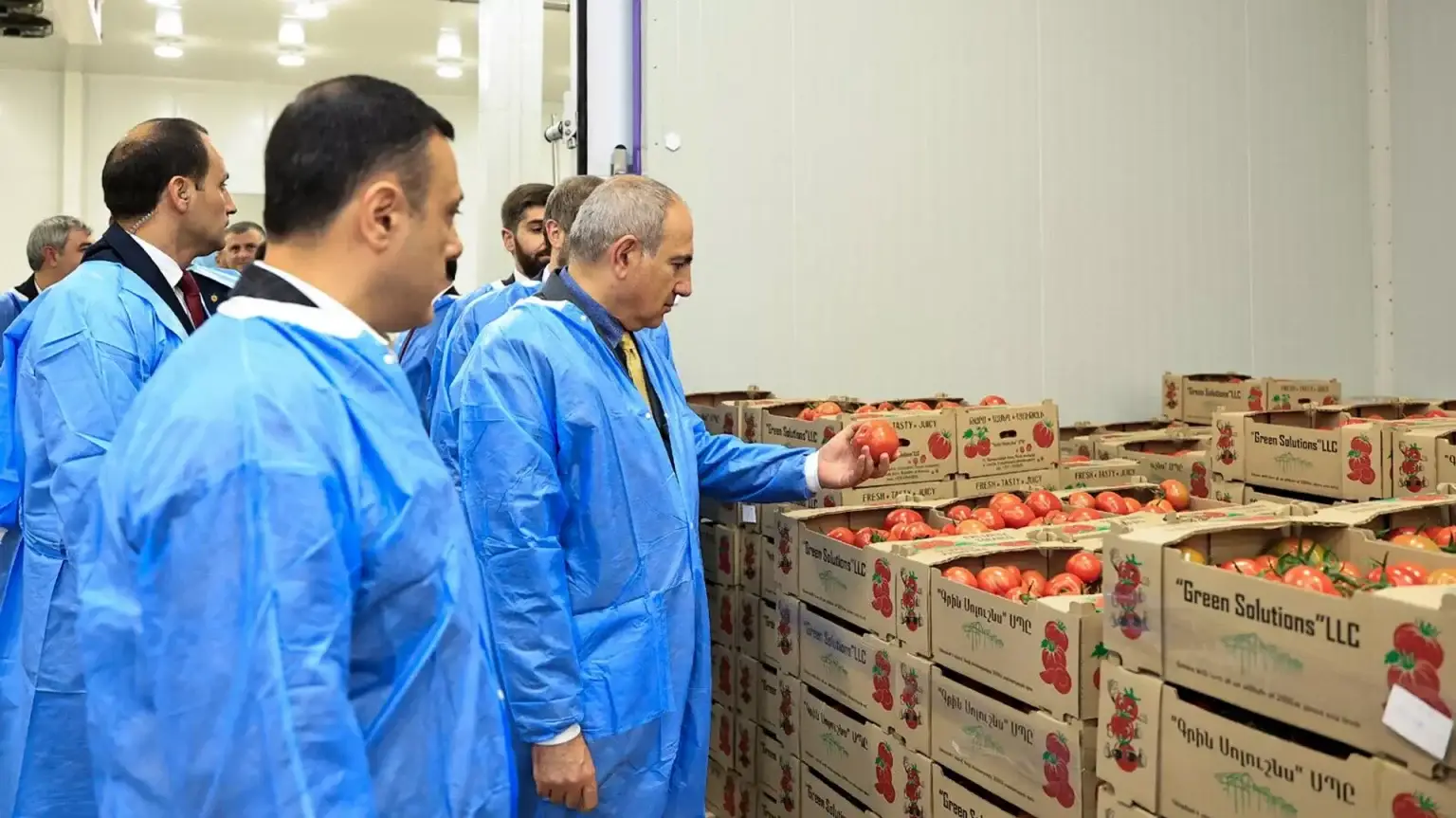
Restrictions on Armenian products were introduced in stages. At the end of May, Russia banned the import of flowers, fresh tomatoes, cucumbers, herbs, and strawberries. On June 2, the restrictions were extended to cherries and grapes, and certification of live fish for export to Russia was also suspended. On June 3, these restrictions also extended to apples, pears, quince, eggplant, potatoes, and dried fruits. In July, Rosselkhoznadzor also banned Armenian dairy products from entering Russia.
The restrictions affect an important market for Armenia: according to Rosselkhoznadzor, Russia accounts for up to 98% of Armenian agricultural exports. The agency is now awaiting Yerevan's investigation results, information on the measures taken, and a plan for compliance with EAEU requirements. Following this, the Russian side is prepared to reconsider the current restrictions.