NGOs in Azerbaijan Face Mandatory Re-registration or Dissolution
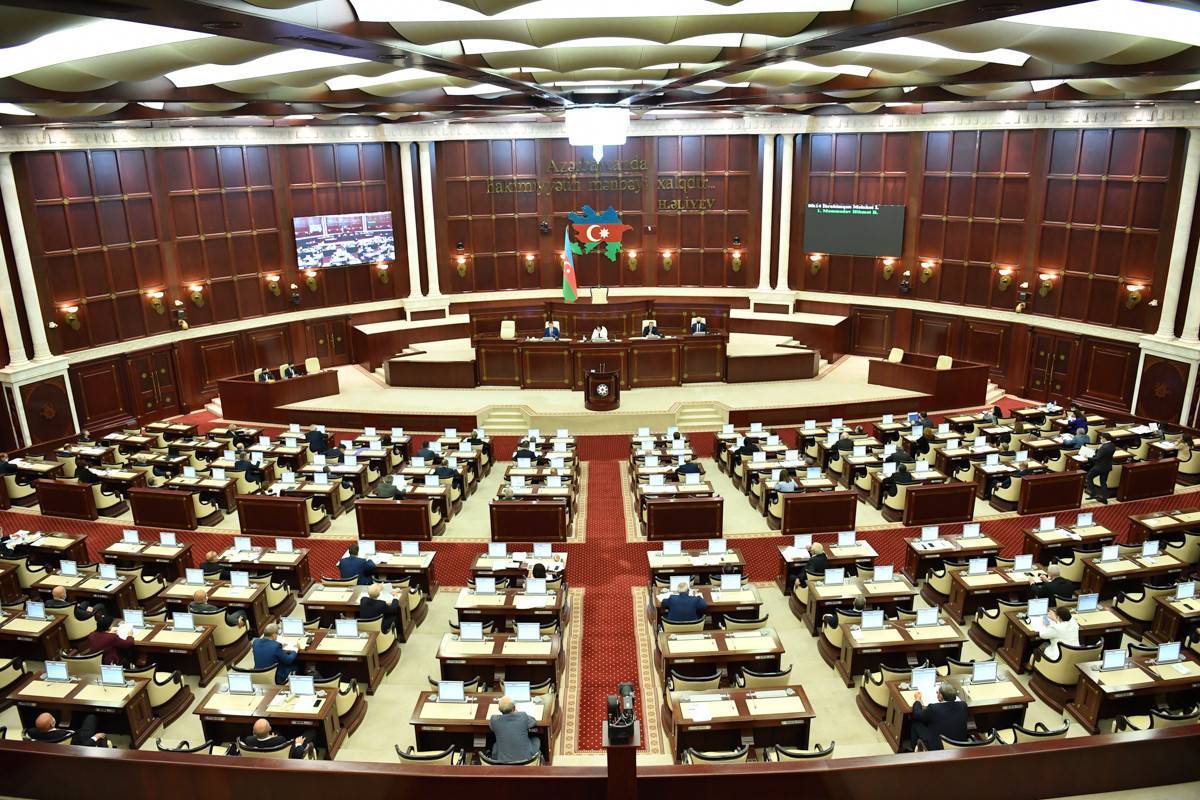
All non-governmental organizations (NGOs) in Azerbaijan—including branches and representative offices of foreign NGOs—will be required to undergo a new state registration process. They will have just 30 days to prepare the necessary documentation and bring their charters into compliance with the new requirements. These provisions are part of amendments to the Law on Non-Governmental Organizations, which have been added to the parliamentary agenda for November 17 and 18.
Organizations that fail to submit their documents on time, or whose registration is denied, risk losing their right to operate. Initially, their activities would be suspended, followed by the filing of a lawsuit seeking the organization's dissolution.
The bill significantly expands the powers of the executive branch. While the suspension of an NGO’s activities currently requires a court order, the proposed amendments would allow the relevant government agency to impose such a suspension unilaterally for a period of up to one year.
Grounds for suspension include, among other things, violations of financial transparency requirements, as well as failure to comply with regulations aimed at combating corruption, money laundering, and the financing of terrorism. Organizations that fail to update information regarding their leadership in the state registry within three months of the expiration of their leaders' terms may also face these restrictions.
The amendments also broaden the criteria for the dissolution of an NGO. Proposed grounds include creating a "threat to the interests of the state and society protected by law," remaining inactive for more than three years, failing to hold a general meeting for three consecutive years, or engaging in activities that do not align with the objectives stated in the organization's charter.
Notably, the bill does not establish clear criteria for what constitutes "insufficient transparency" or a "threat to the interests of the state." The authority to determine whether an organization has violated these requirements will rest with the government agency responsible for the registration and oversight of NGOs. Lawyer Narmin Ahmedli, in a comment to the *Musavat* newspaper, noted that the allotted 30 days might not be sufficient to meet the new requirements. Organizations will have to not only amend their charters but also develop internal financial control policies.
Lawyer Bakhtiyar Hajiyev pointed out that the re-registration process will apply to all public associations and foundations established before the amendments came into effect.
A specific change concerns foundations: it is proposed that their minimum statutory capital be increased from 10,000 to 100,000 manats—roughly from $5,900 to $58,800. This new amount is approximately 85 times the average monthly salary in the country and could pose a significant barrier for small-scale initiatives seeking to obtain the status of a foundation.
The tightening of regulations for the non-governmental sector in Azerbaijan has been ongoing for over a decade. In February 2014, President Ilham Aliyev signed approximately 50 amendments, which, among other things, prohibited banking transactions involving unregistered grant agreements, mandated that the heads of branches of foreign NGOs be citizens of Azerbaijan, and increased penalties for violations. Gubad Ibadoghlu, then-chair of the NGO Forum, warned that these changes would severely restrict the activities of civil society. Diplomats from the United States, the European Union, and the United Kingdom also expressed concern regarding the reform.
In July 2025, the authorities introduced additional registration requirements for service contracts funded from foreign sources and established new fines.
In its 2024 report, Human Rights Watch urged the government of Azerbaijan to revise its NGO legislation, taking into account the recommendations of the Council of Europe’s Venice Commission.
The new draft law has emerged against a backdrop of criminal prosecutions targeting representatives of civil society. In February 2025, the Prosecutor General’s Office resumed the investigation into the so-called "grants case"—a probe originally initiated in 2014 and subsequently suspended in 2022. According to Amnesty International, at least 50 members of civil society have been questioned as witnesses or suspects since the investigation was reopened.
Asef Akhmedov, head of the Ganja Regional Public Center, has been sentenced to eight years in prison. Zamin Zakiyev, leader of the "Ubuntu Social Work Association" initiative, received a seven-year-and-three-month prison term.
The prosecution has also requested a nine-year prison sentence for Bashir Suleymanli, head of the Institute for Civil Rights. The next court hearing in his case is scheduled for November 19. All of the accused deny the charges brought against them, maintaining that their actions were entirely lawful.