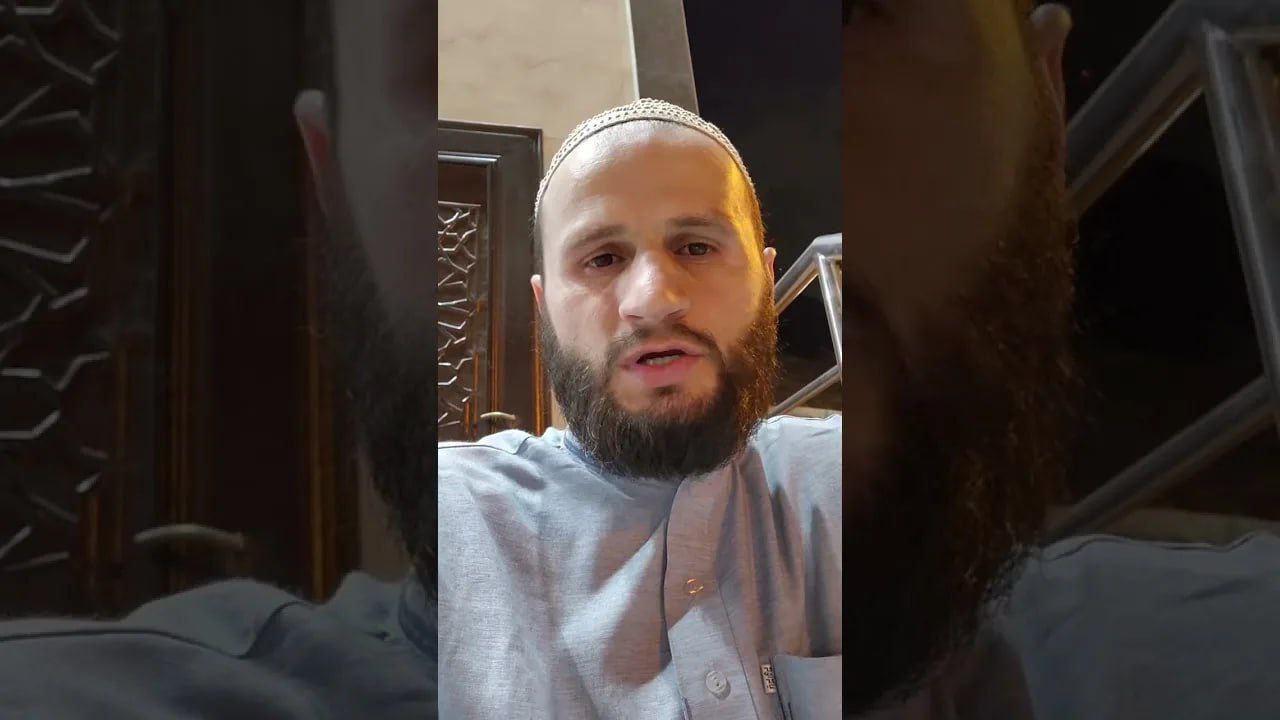
An imam who previously criticized the muftiate has been released in Dagestan
Religious figure Akhmad Magomedov, known as Akhmad Batlukhsky, has been released. According to Shamil Khadulaev, Chairman of the Public Monitoring Commission of Dagestan, "a group of deputies acted as guarantors."
Akhmad Batlukhsky had previously criticized the Dagestan Muftiate and its head, Akhmad Abdullayev. Before his arrest in November 2025, he reported the arson of his home and the eviction of his mother, which prompted him to leave Russia. In the spring of 2025, he was placed on the wanted list on charges of slander.
Batlukhsky's persecution is linked to posts he made on an Avar-language Telegram channel in March 2024, in which he accused the Dagestan Muftiate of falsifying documents and spreading rumors about his drug addiction. He subsequently summoned representatives of the organization to a Sharia court.
Batlukhsky's defense submitted materials to the Investigative Committee alleging falsification of evidence. Specifically, the lawyers argued that the ordering of a psychological and psychiatric examination was unlawful, as Batlukhsky is charged with slander. Furthermore, the defense claims that reports that he has been registered with a drug addiction specialist since 2018 are false.
Akhmad Batlukhsky held various positions in the Spiritual Administration of Muslims (SAM) of Dagestan. He began his career as an imam in the villages of Nechayevka and Dylym, and then worked in the Shamilsky, Kazbekovsky, and Tsumadinsky districts. In Makhachkala, he was deputy chairman of the council of imams, and in November 2021, he was appointed representative of the muftiate in the northern territorial district of Dagestan. He resigned from his latter position, as he explained, because he "came to the firm conclusion that the muftiate's policies are not consistent with Sharia law."