Dagestan is monitoring the radioactive situation following strikes on Iranian nuclear facilities
On June 14, following Israeli strikes on a uranium enrichment center in Iran, Rospotrebnadzor (the Federal Service for Surveillance on Consumer Rights Protection and Human Wellbeing) instituted round-the-clock radioactive monitoring in southern Dagestan. No excess of natural gamma background levels was recorded.
The monitoring was initiated at the direction of Russia's Chief Sanitary Doctor, Anna Popova, following reports of radiation contamination in Natanz, Iran. The distance from Iran to southern Dagestan is no more than 170 kilometers. Measurements are being taken every two hours in Derbent and the border town of Yarag. The monitoring is coordinated by the P.V. Ramzaev St. Petersburg Research Institute of Radiation Hygiene. According to Rospotrebnadzor, the radiation situation in the republic remains stable, and there is no threat to the population.
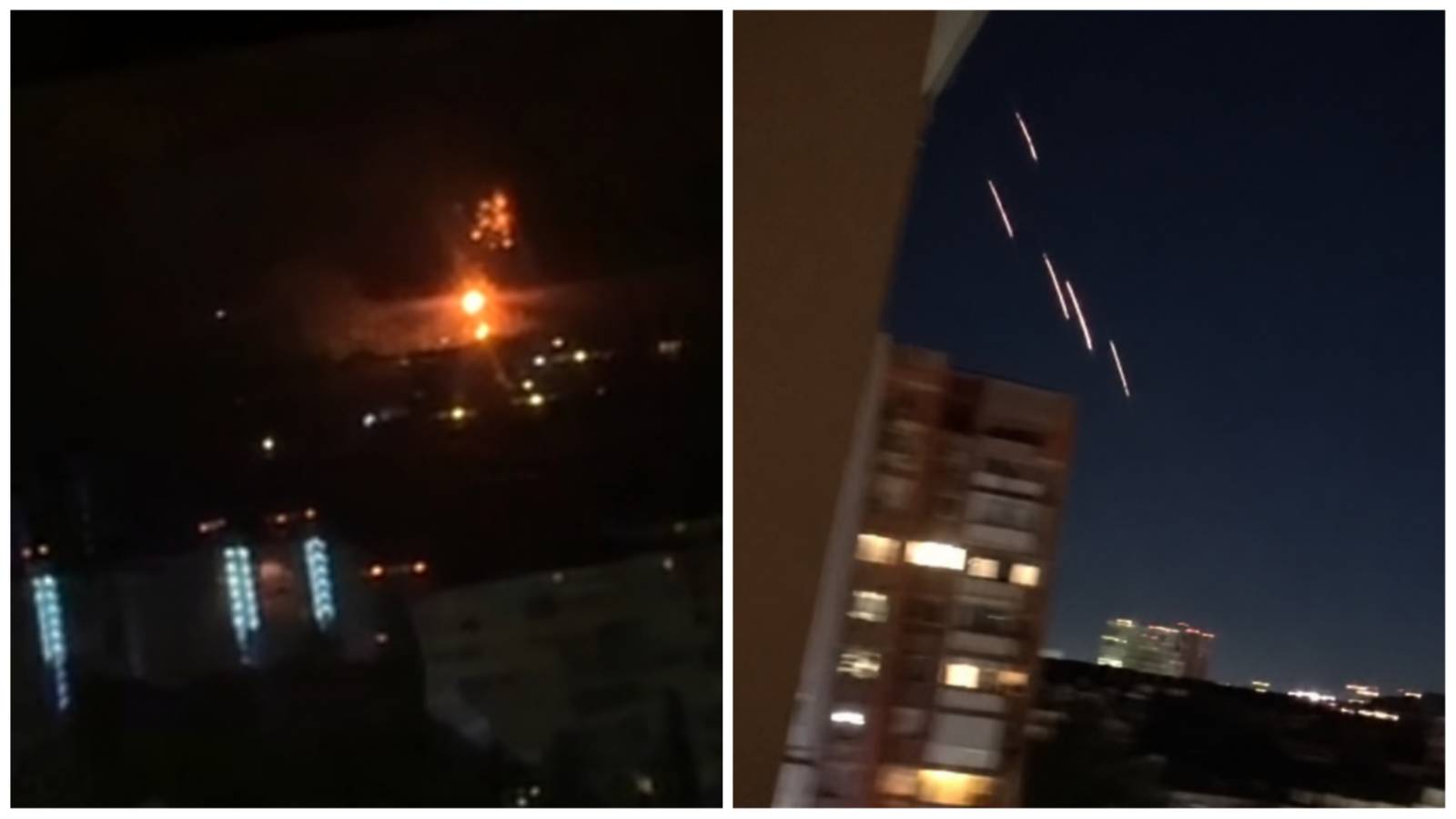
Similar monitoring is also being conducted in Armenia and Azerbaijan. A risk assessment was launched after Israeli forces attacked Iranian nuclear facilities on the night of June 13 as part of Operation Rising Lion. Israel fears Tehran has approached the "point of no return" in developing nuclear weapons. The attacks destroyed the above-ground portion of the Natanz uranium enrichment plant, a distribution substation, the main power supply building, the emergency power system, and backup generators.
Iran claims the damage is mostly superficial, as the bulk of the plant is underground. A small leak occurred inside the facility, but the contamination did not spread to the outside environment. The IAEA confirmed radiation and chemical contamination within the facility, but no radiation release was detected.
On June 22, Iran's nuclear industry was hit again. US bombers struck uranium enrichment and conversion plants in Fordow, Natanz, and Isfahan. According to the Dagestan branch of Rospotrebnadzor, the radiation situation in the republic has remained unchanged since the attack, with background radiation levels in the range of 0.06-0.08 µSv/h.
The situation in Iran poses unacceptably high risks, especially given the recent commissioning of the Bushehr Nuclear Power Plant in Iran. "If there have been no serious consequences so far... it's simply a coincidence, but the risks are too high," stated Russian Deputy Foreign Minister Sergei Ryabkov.