The Georgian Parliament commented on the country's non-participation in the "3 + 3" platform
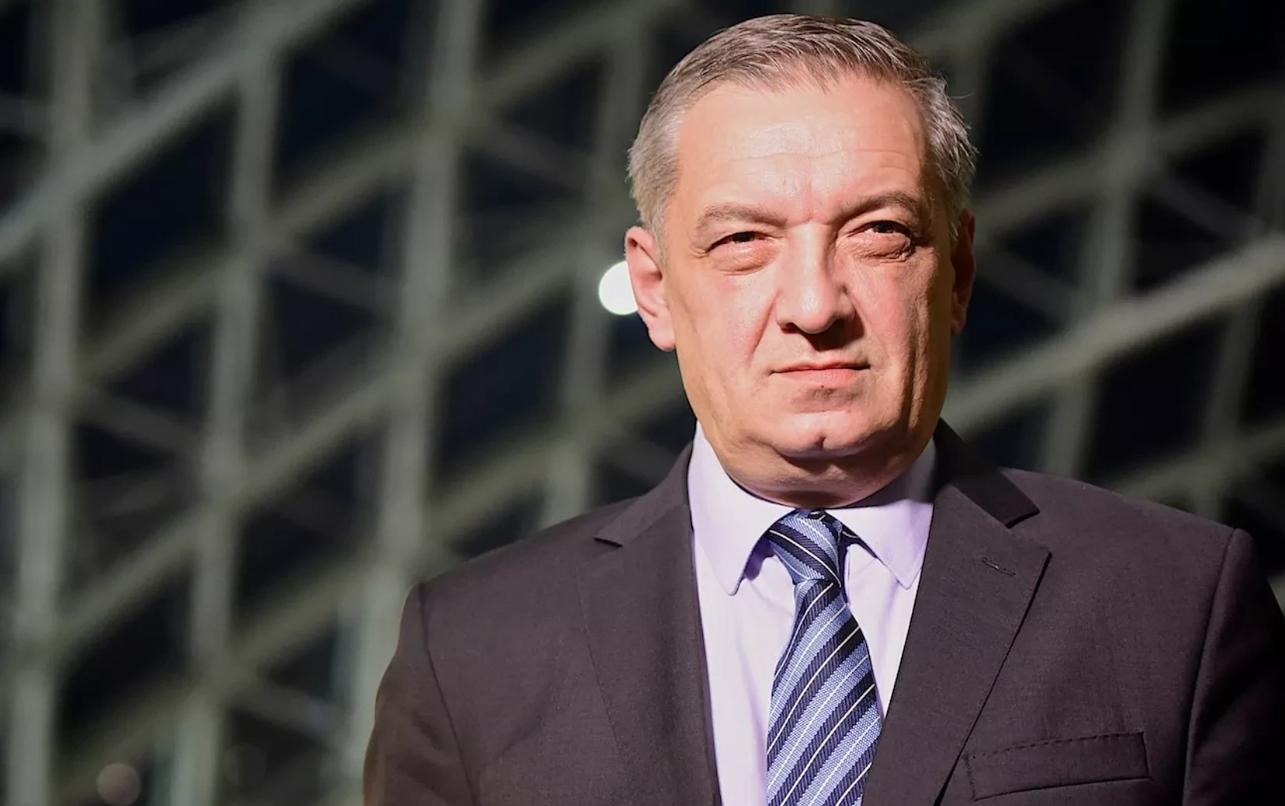
The Georgian government does not rule out participation in the "3 + 3" platform in the future, but today they consider it inappropriate. The corresponding statement was made by the Vice Speaker of the Parliament Gia Volsky.
"In the future, perhaps something will appear, but at the moment there is nothing that could justify our participation in this format, either from a political or economic point of view," Volsky said.
He explained that Georgia's future position will depend on the processes taking place in the world today.
Levan Machavariani, a member of parliament from the ruling Georgian Dream party, expressed himself more categorically in this regard. He stated that the issue is not on the agenda as long as the Russian Federation occupies 20% of Georgia's territory.
"Russia is participating in the "3 + 3" format, it has occupied our territories. Of course, we are not going to sit down at any negotiating table with Russia. We have neither diplomatic relations nor any other. First, we must resolve the issue of our territorial integrity, and after that, a discussion can begin on whether there will be any kind of format,” the parliamentarian said.
Earlier, Russian Foreign Minister Sergey Lavrov, speaking at the “government hour” in the State Duma, again called on Georgia to participate in the “3 + 3” format.
“From the very beginning, everyone agreed that we have a “three plus three” format and that we understand the doubts and nuances of Georgia’s position, but that the seat for Georgian representatives will always be in the meeting room of this format,” the diplomat emphasized.
The “3 + 3” format is a regional cooperation platform initiated in 2020. Initially, it was planned to include three Transcaucasian countries - Armenia, Azerbaijan and Georgia - as well as their three neighbors - Russia, Turkey and Iran. However, Georgia has ignored the platform all these years, and it de facto worked in the “3 + 2” format. On November 15 last year, Tbilisi officially refused to participate in this platform.