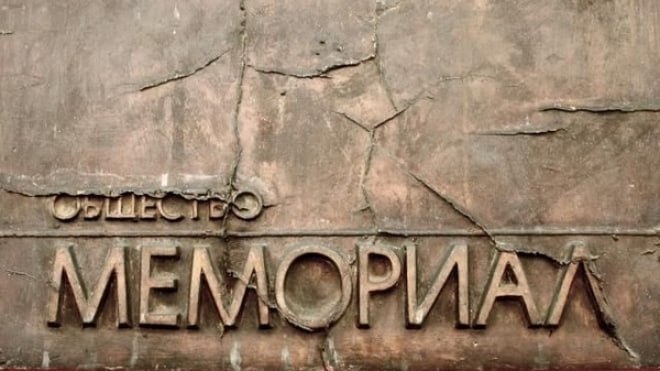
The Supreme Court of the Russian Federation has ruled that the Memorial public movement is an "extremist organization" and banned from operating in Russia. The lawsuit, filed by the Russian Ministry of Justice, was heard in a closed session classified as "top secret," and lawyers were not allowed to participate.
Memorial itself called the ruling unlawful, pointing out the paradoxical nature of the situation: "The organization named in the court's ruling does not exist. We don't even know what this fiction is being accused of: the case is secret, and until today it was not possible to review the state's claims. However, it cannot be ruled out that the repressive apparatus will persecute supporters and members of various Memorial organizations. Effective immediately, the Memorial Human Rights Center will cease all operations directly within Russia. We have no employees, members, or volunteers in Russia. We do not accept donations from Russian cards, as this could put our donors at risk."
Memorial is a movement founded in the late 1980s dedicated to the study of Stalin's repressions and the protection of human rights. In December 2021, the Supreme Court liquidated the Memorial International Society, and the Moscow City Court liquidated its human rights center, citing violations of the "foreign agent" law and a "distorted image of the USSR." Despite this, Memorial was awarded the Nobel Peace Prize in 2022. Now, after being designated "extremist," any cooperation with its projects in Russia could result in criminal prosecution.