Russian media and authorities called for Nikol Pashinyan's "destruction"
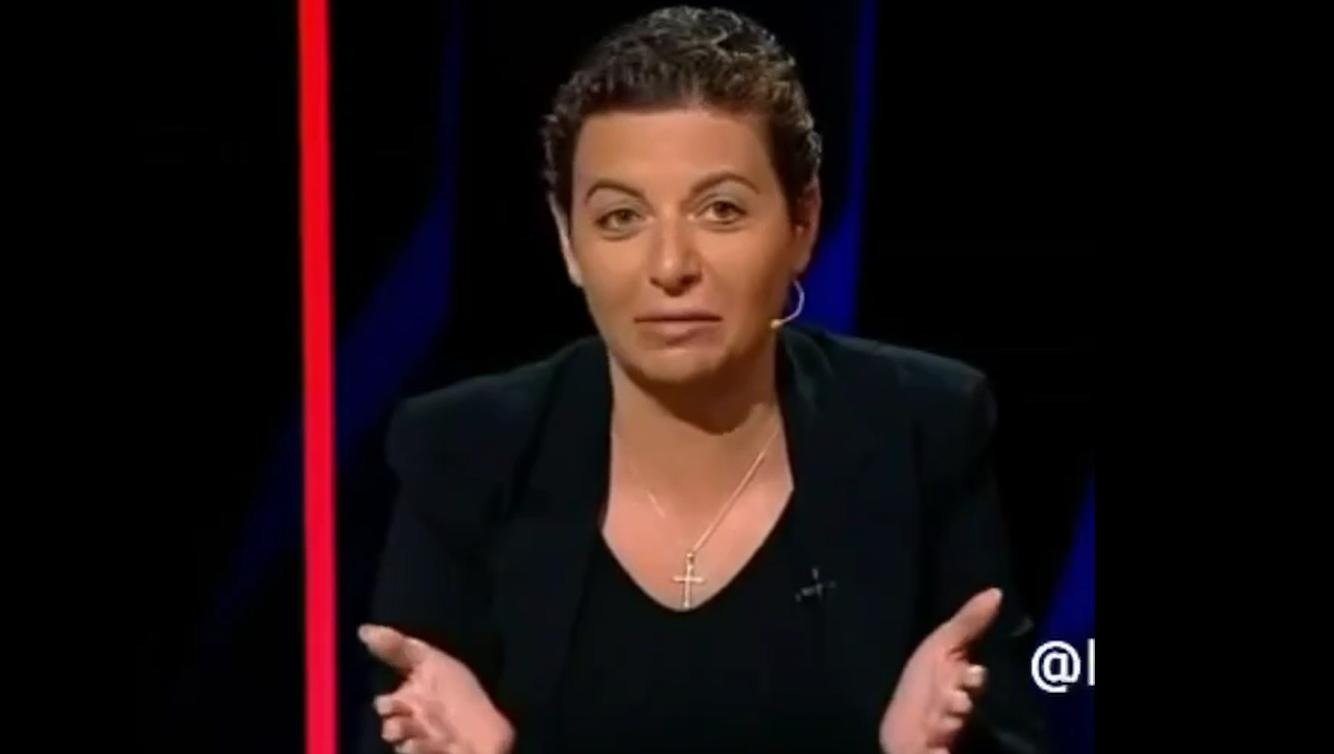
Margarita Simonyan, head of Russian state-run media outlets Russia Today and Sputnik, once again harshly criticized Armenian Prime Minister Nikol Pashinyan, calling on the country's citizens to "destroy" him. She asserted that voting for Pashinyan would only be possible under the influence of a powerful hallucinogenic drug.
Simonyan also ironically offered flour and millet to Armenia, alluding to the "universal craze for mushrooms" among citizens who support the current prime minister. She also expressed relief that she is not an Armenian citizen, adding that Russia can do without her, but Armenia cannot do without Russia.
Furthermore, Deputy Chairman of the Russian Security Council Dmitry Medvedev stated on social media that Nikol Pashinyan has chosen to sever relations with Russia. According to him, such a development must be openly acknowledged, and the consequence of such a policy will be Armenia's loss of the Russian market and membership in the EAEU.
"Pashinyan is actively pushing Armenia down the path of Bandera's Ukraine. He has directly jeopardized relations with Russia, the CSTO, and the EAEU. His actions will have consequences," Medvedev threatened.
In response, Armenian Parliament Speaker Alen Simonyan released an excerpt from a Russian television broadcast featuring Vladimir Solovyov and Margarita Simonyan, calling them "fantastic creatures." As for the reaction to Medvedev's words, the Armenian press began calling him an "alcoholic."
Earlier, Nikol Pashinyan announced the launch of direct rail service between Armenia and Europe and plans to abolish visa requirements. He also announced the official opening of the Turkish railway line for imports and exports, which now connects Armenia with Turkey via Georgia. Addressing voters, Pashinyan also stated that the issue of visa liberalization between Armenia and the European Union would be resolved "no later than in two years."
The Prime Minister's confidence is bolstered by significant diplomatic support from the West. This, in turn, provoked a sharp reaction in Moscow, which apparently firmly believed that Armenia's withdrawal from the CSTO was irreversible.