Ingushetia Resident Sentenced to Two Years for Comment About Hitler and Jews
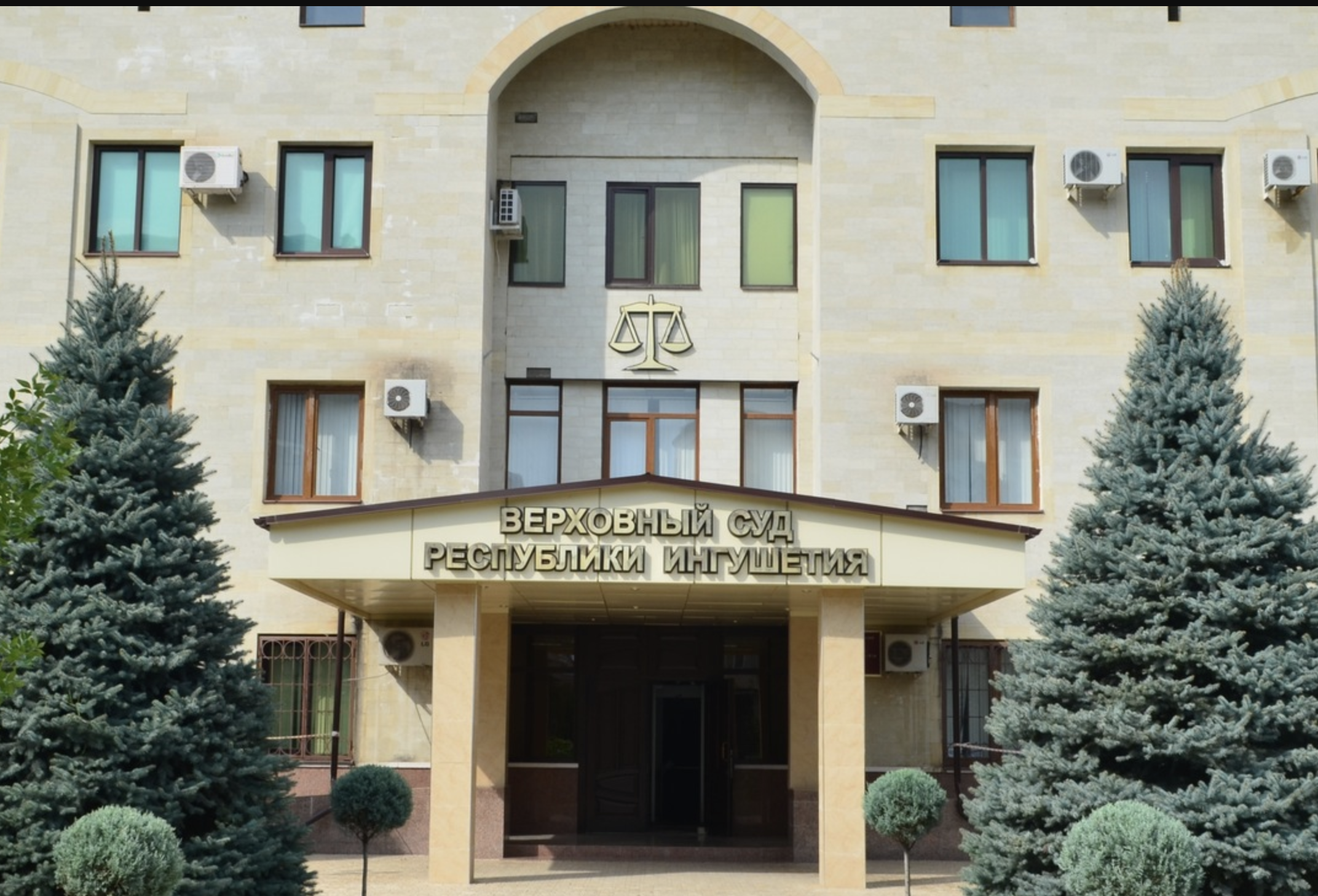
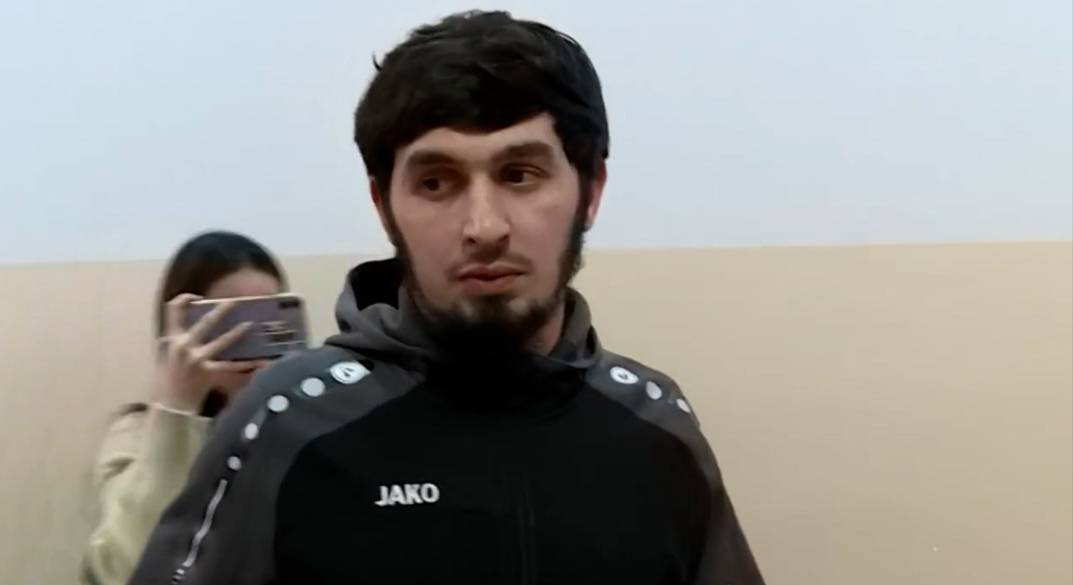
The Supreme Court of Russia’s Republic of Ingushetia has sentenced 31-year-old Akromat Dourbekov to two years in a penal colony for a comment he posted on VKontakte in which an expert assessment found approval of violence committed by Adolf Hitler against Jews. The court also ordered that the mobile phone used to post the comment be transferred to state ownership.
According to Ingushetia’s joint press service of the judiciary, Dourbekov posted the comment in a public VKontakte community on the morning of May 2, 2025. The court did not identify the community or disclose the content of the post under which he left the comment.
A linguistic expert assessment concluded that the comment contained a positive evaluation of violent acts committed by Hitler against Jews. Investigators and the court classified the post as the public rehabilitation of Nazism using the internet, under Article 354.1, Part 2, Paragraph “c” of Russia’s Criminal Code.
Dourbekov fully admitted his guilt. At his request, the case was heard under a special procedure, without examination of the evidence in court.
On August 6, the Supreme Court of Ingushetia found Dourbekov guilty and sentenced him to two years in a penal colony. After serving his sentence, he will also be barred for three years from activities involving the publication of materials on the internet. The mobile phone used to post the comment was confiscated and transferred to state ownership.
The verdict has not yet entered into force. Dourbekov and the prosecution can appeal it to the Third Court of Appeal of General Jurisdiction.
Article 354.1 of Russia’s Criminal Code provides criminal liability, among other things, for publicly approving crimes established by the judgment of the Nuremberg Tribunal. When such an offence is committed using the internet, the maximum penalty is five years in prison.
Anti-Israeli sentiment in the North Caucasus, as elsewhere in the world, intensified following the outbreak of the war in Gaza in October 2023. In some cases, such sentiment has developed into hostility toward Jews as an ethnic group. Incidents were reported in Kabardino-Balkaria and Karachay-Cherkessia, culminating in unrest at Makhachkala airport, where participants searched for Jews and Israelis arriving on a flight from Tel Aviv. Dozens of people were subsequently sentenced to prison terms over the unrest.
At the same time, Russian-language social media platforms have also been flooded since October 7 with statements of the opposite nature, including the dehumanization of Palestinians and Muslims, the justification of the mass killing of Gaza residents and calls for violence. There have been almost no publicly known criminal cases over such statements targeting Palestinians. The contrast is particularly striking given the active use of Russia’s anti-extremism laws against other forms of ethnic and religious hatred.