Armenia may sever relations with Belarus after Lukashenko's attack on Pashinyan
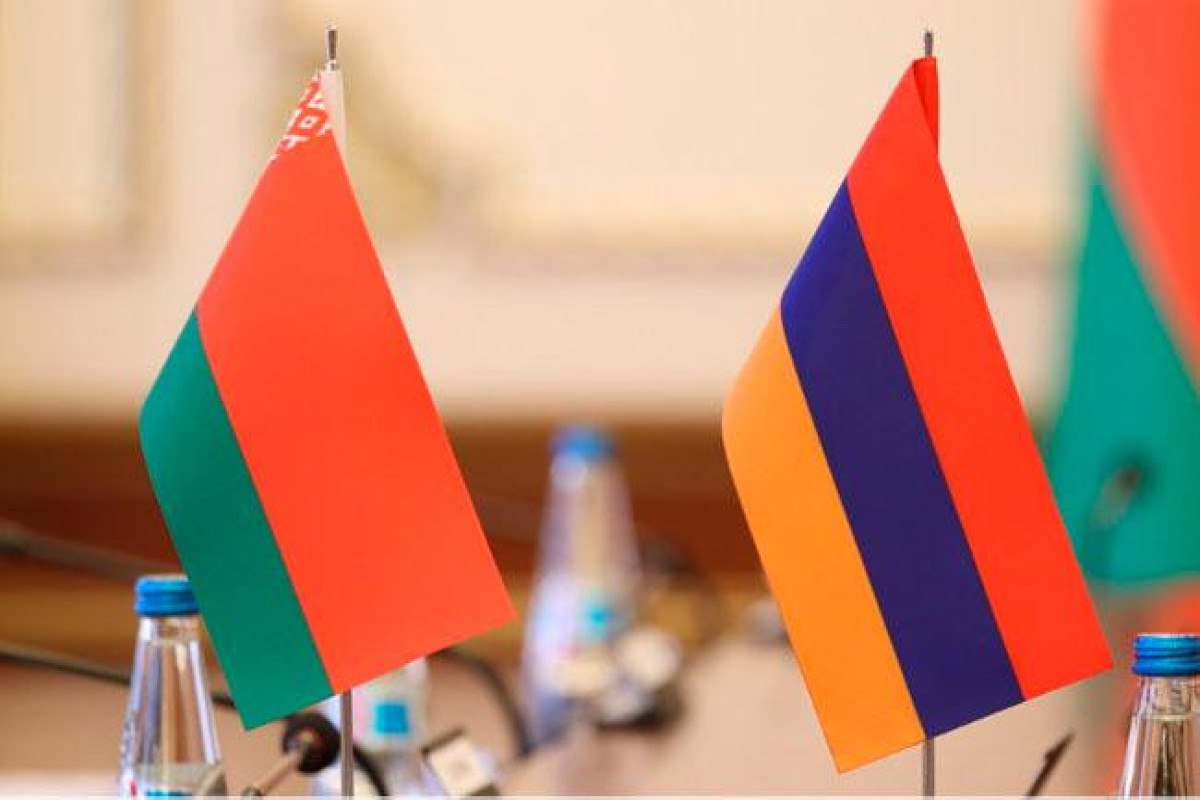
Armenia is discussing the issue of severing diplomatic relations with Belarus. This is reported by the Armenian newspaper Hraparak, citing official sources in Yerevan.
According to the publication, the latest complications in relations between the two countries were caused by the harsh statements of Belarusian President Alexander Lukashenko that Prime Minister Nikol Pashinyan "will destroy Armenia." According to sources, Lukashenko would not have said this "without Putin's permission."
"Pashinyan's last telephone conversation with Putin was very harsh, although the Armenian prime minister tried to justify himself by saying that joining the EU does not mean abandoning relations with Russia. Putin very dryly told him that this is not the best step for Armenia," the publication emphasizes.
Lukashenko recently stated that Pashinyan "started flirting with the EU" and could destroy the country.
"He will destroy Armenia, calm him down there... He is also turning Russia against himself. He is surrounded, a small territory... And he has surrounded himself with enemies. Now, the European Union will start helping him there... Pashinyan must be calmed down. We cannot allow a war in the Caucasus," Lukashenko said.
The Belarusian president's criticism of Yerevan also touched on the situation in Nagorno-Karabakh.
"The Armenian leadership should not be offended by the fact that I once supported Azerbaijan. What does this have to do with me? We live a thousand kilometers away. Did I start this war? What happened, the results of these battles are the fault of the Armenian leadership... Pashinyan himself abandoned Nagorno-Karabakh," Lukashenko noted.
Relations between Yerevan and Minsk deteriorated after previous statements by the head of Belarus on the results of the Karabakh war and his visit together with Azerbaijani President Aliyev to the city of Shusha in May last year. Nikol Pashinyan regarded those statements as an admission of "assistance to Azerbaijan." Later, a ban was imposed on Armenian officials visiting Belarus as long as the country's current president remains in office.