Baku protested the killing of two Azerbaijanis by Russian security forces
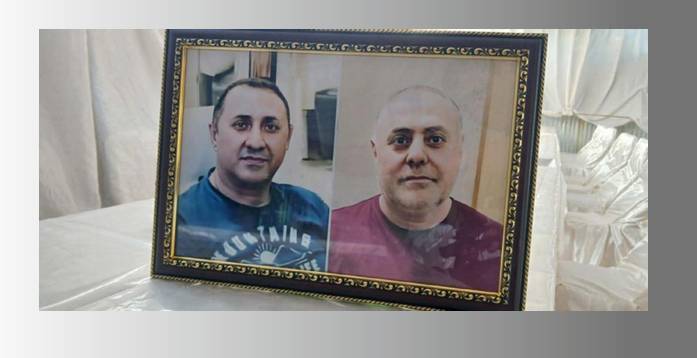
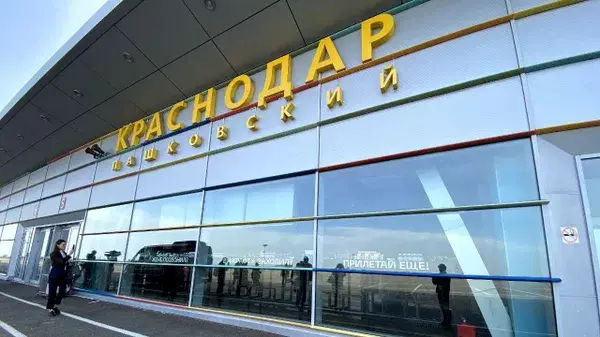
On June 27, in Yekaterinburg, officers from the FSB, the Ministry of Internal Affairs, and the Russian National Guard conducted a joint raid on apartments housing Azerbaijanis. Two of those detained during the raid—brothers Ziyaddin and Huseyn Safarov—died from beatings, sparking a diplomatic conflict between Russia and Azerbaijan.
According to security officials, the raid was part of the criminal investigation into the murder of merchant Yunis Pashayev in 2001 and other murders committed in Yekaterinburg in 2010 and 2011 during a power struggle among Azerbaijani businessmen. Approximately 50 people were detained, and the operation was carried out with extreme force—eight were seriously injured, and one was taken to intensive care. The defendants showed signs of beatings when they appeared in court to determine their pretrial detention. Guseyn Safarov, a 60-year-old businessman and Azerbaijani citizen, and his brother, Ziyaddin Safarov, a 55-year-old taxi driver with a Russian civilian identity, were murdered.
The Russian Investigative Committee stated that the younger brother died of acute heart failure, while the older brother died from blunt force trauma.
On June 30, the bodies of the deceased were flown to Azerbaijan, where a forensic examination was conducted. It revealed multiple injuries, bone fractures, internal organ damage, and hemorrhages. Experts attributed the cause of death to post-traumatic and post-hemorrhagic shock.
The Azerbaijani Prosecutor General's Office has opened a criminal case on charges of premeditated murder by a group of individuals with particular cruelty, abuse of office, and torture resulting in the death of the victims. Investigators determined that Ziyaddin Safarov was killed in a police car, and Guseyn Safarov died from his injuries in a police station. According to investigators, the detainees "were virtually helpless and unable to defend themselves from blows. They were subjected to torture and grievous bodily harm by multiple blows with hard, blunt objects to various parts of the body, both during arrest and in the transport in which they were being transported."
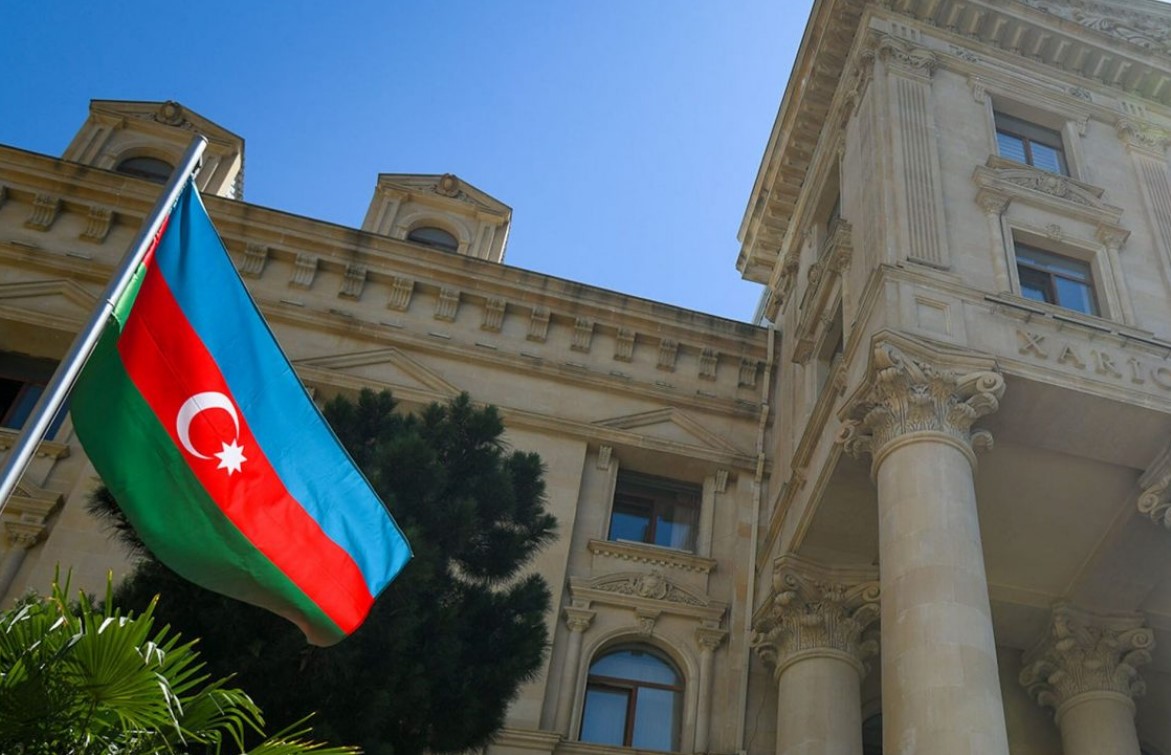
Azerbaijani authorities protested the detention of the Azerbaijanis and the "unacceptable violence" during the raid. A visit by the Russian Deputy Prime Minister, concerts by Russian musicians, and other events involving Russia in Azerbaijan were canceled in Baku. Cooperation at the parliamentary level was terminated.
On June 30, a police raid was conducted at the Sputnik Azerbaijan office in Baku, during which several Russian journalists were detained, including the agency's head, Igor Kartavykh, and editor-in-chief, Yevgeny Belousov. They were accused of working for the Russian FSB. Later, several more Russian citizens who fled to Azerbaijan after the start of the "SVO" were detained and charged with drug trafficking and cybercrime.
The State Duma called Azerbaijan's reaction to the events in Yekaterinburg exaggerated. International experts believe this reaction is the result of a shift in the balance of power between Baku and Moscow. Azerbaijan won the war against Armenia and outnumbers Armenia and Georgia in population, economic indicators, and military might. At the same time, Russia is weakened by the war in Ukraine. Under harsh sanctions, it needs Azerbaijan, which provides it with access to Asian markets.
Taking advantage of this situation, Baku is seeking to strengthen its position in the South Caucasus. "Azerbaijan is making it clear that it is no longer willing to passively accept Russia's often unscrupulous behavior, especially when its own interests are at stake," says Zaur Shiriyev, a research fellow at the Carnegie Berlin Center for Russian and Eurasian Studies. But, as the BBC notes, the blatant crisis in Baku's relations with Moscow has another target: the West. By accusing Russia of "punitive raids," "bloody reprisals," and a return to Stalinist methods, Azerbaijan is covering up its own sins, such as the suppression of the opposition and independent media in the country.