Drones Attack Kuban: Fatalities and Fuel Oil Terminal Fire in Novorossiysk

Overnight on September 9, Ukrainian drones attacked occupied Crimea and 11 Russian regions, including Krasnodar Krai and Rostov Oblast. According to the Russian Ministry of Defense, a total of 596 UAVs were destroyed over Russian territory and the Black Sea.

Krasnodar Krai Governor Veniamin Kondratyev reported a massive attack, noting that the main strike hit Novorossiysk. Four people, including a child, died in the city. Another 29 residents were hospitalized, three of whom are in serious condition. Three private homes and five apartment buildings were damaged, as well as an Orthodox church and a kindergarten, the regional head stated. Additionally, three private homes and a kindergarten were damaged in Anapa, though there were no casualties there. The governor also stated that cleanup operations following the strike are underway in the Krymsky and Temryuksky districts.

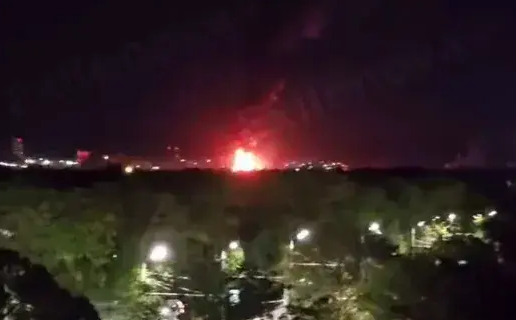
The Telegram channel ASTRA and Ukrainian monitoring resources Exilenova+ and Supernova+ reported a fire at a fuel oil terminal in Novorossiysk. The Krasnodar Krai operational headquarters reported only that a drone had fallen "on the premises of one of the enterprises," without disclosing further details.

Rostov Oblast Governor Yury Slyusar announced that "about fifteen" drones had been shot down in the region. According to him, the drones were intercepted in six districts: Sholokhovsky, Neklinovsky, Matveyevo-Kurgansky, Bokovsky, Chertkovsky, and Azovsky. The regional head added that there were no reports of casualties or damage resulting from the attack.

According to Kyiv, the Russian Armed Forces used missiles and 196 drones in an attack on Ukraine overnight. There are also dead and wounded there.
Последние новости
Kuban and the Don region fend off a nighttime drone raid; Ukraine targeted from Millerovo and Crimea
Chronicle of Wars and Crimes
Kuban and the Don region fend off a nighttime drone raid; Ukraine targeted from Millerovo and Crimea
27 October 2026

Starting on the evening of October 26, a "drone threat" alert was issued across the Krasnodar Territory (Kuban):
from 8:23 PM, it was in effect for Gelendzhik, Anapa, Novorossiysk, and the Abinsky, Krymsky, and Temryuksky districts; from 11:22 PM, it extended to the Tuapsinsky district, Sochi, and the Mostovsky district. By Tuesday morning, the situation along the Black Sea coast of the Kuban had normalized, and emergency services returned to their standard operating mode.

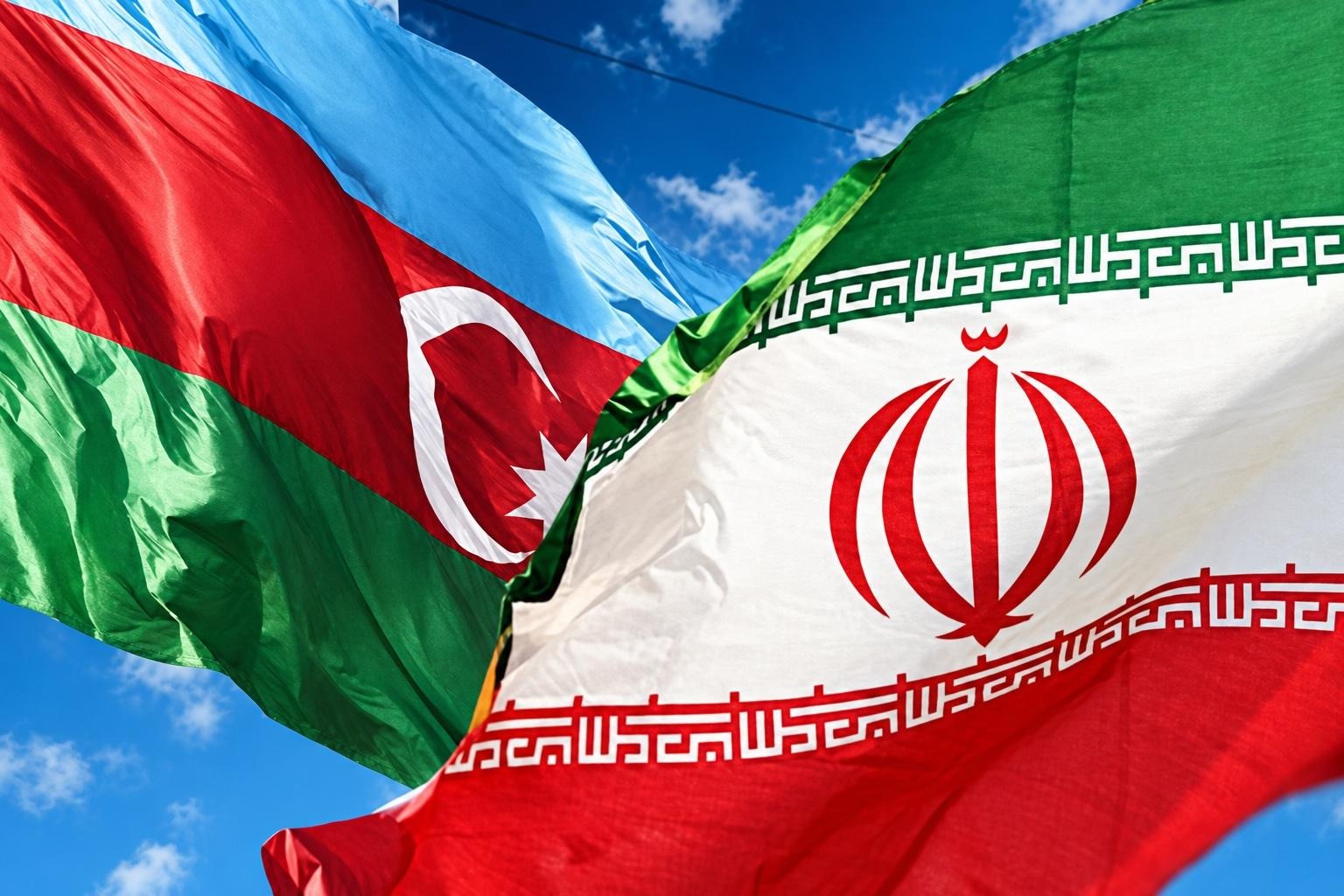
Azerbaijani NGOs urge Pezeshkian to provide education in the Azerbaijani language, while offering plenty of praise
Politics
Azerbaijani NGOs urge Pezeshkian to provide education in the Azerbaijani language, while offering plenty of praise
26 October 2026

Fifty-five non-governmental organizations (NGOs) in Azerbaijan have sent an open letter to Iranian President Masoud Pezeshkian, following criticism from Azerbaijan’s Ministry of Science and Education regarding a statement made by Iran’s Minister of Science, Research and Technology, Hossein Simaei-Sarraf.

Crimean Tatars Held in Russian Captivity Excluded from Latest Ukraine-Russia Prisoner Exchange
Human rights
Crimean Tatars Held in Russian Captivity Excluded from Latest Ukraine-Russia Prisoner Exchange
26 October 2026

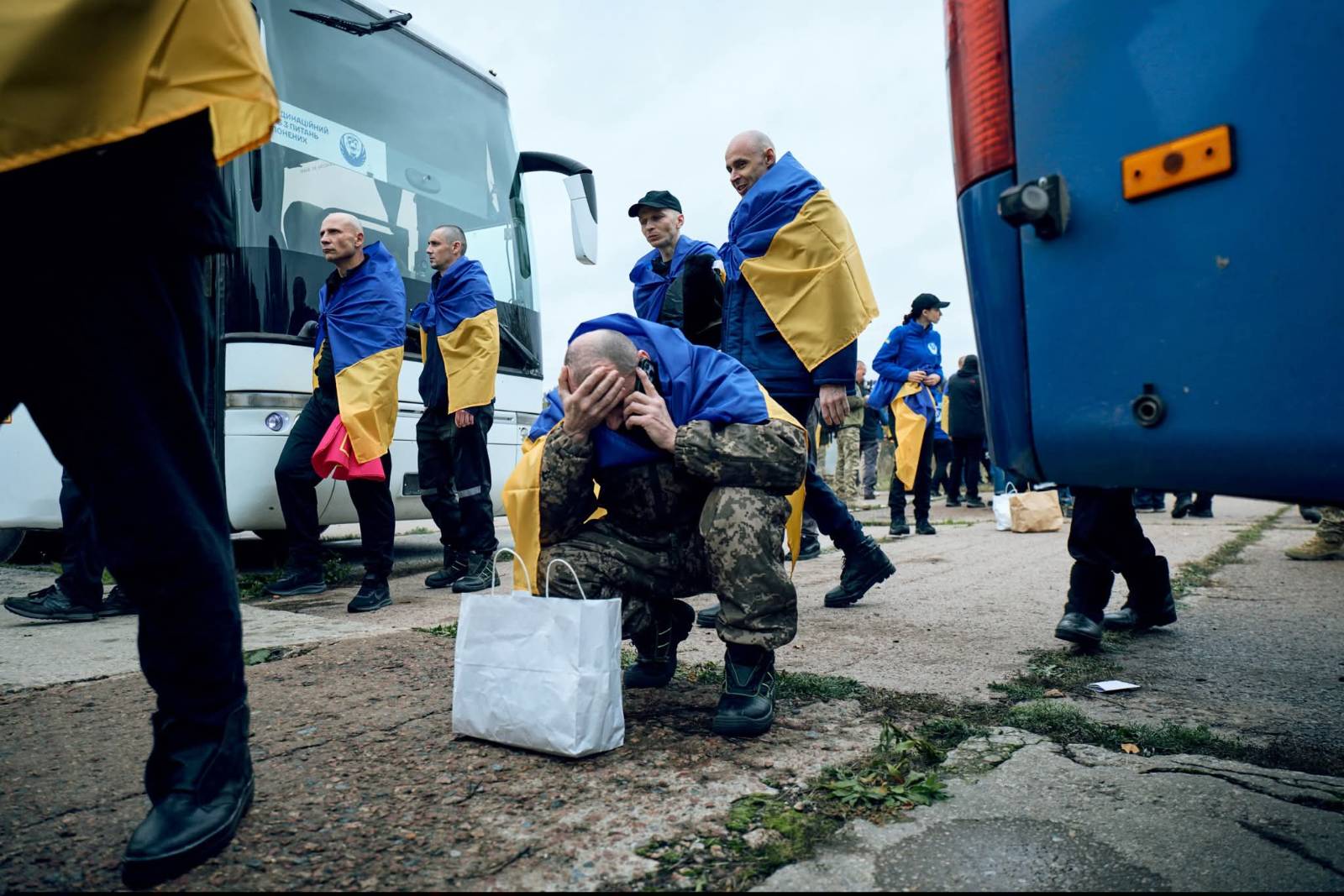
During the prisoner-of-war exchange between Ukraine and Russia on October 23—a "270-for-270" swap—not a single Crimean prisoner of war or political prisoner returned to Ukrainian-controlled territory. Meanwhile, six Russian service members from Crimea were sent to Russia. This was reported on October 24 by Eskender Bariiev, head of the Crimean Tatar Resource Center, in a Facebook post citing information from Yana Lantratova, a Russian official involved in human rights matters.

Turkish presidential adviser loses his post after criticising Azerbaijan’s hijab ban
Politics
Turkish presidential adviser loses his post after criticising Azerbaijan’s hijab ban
26 October 2026

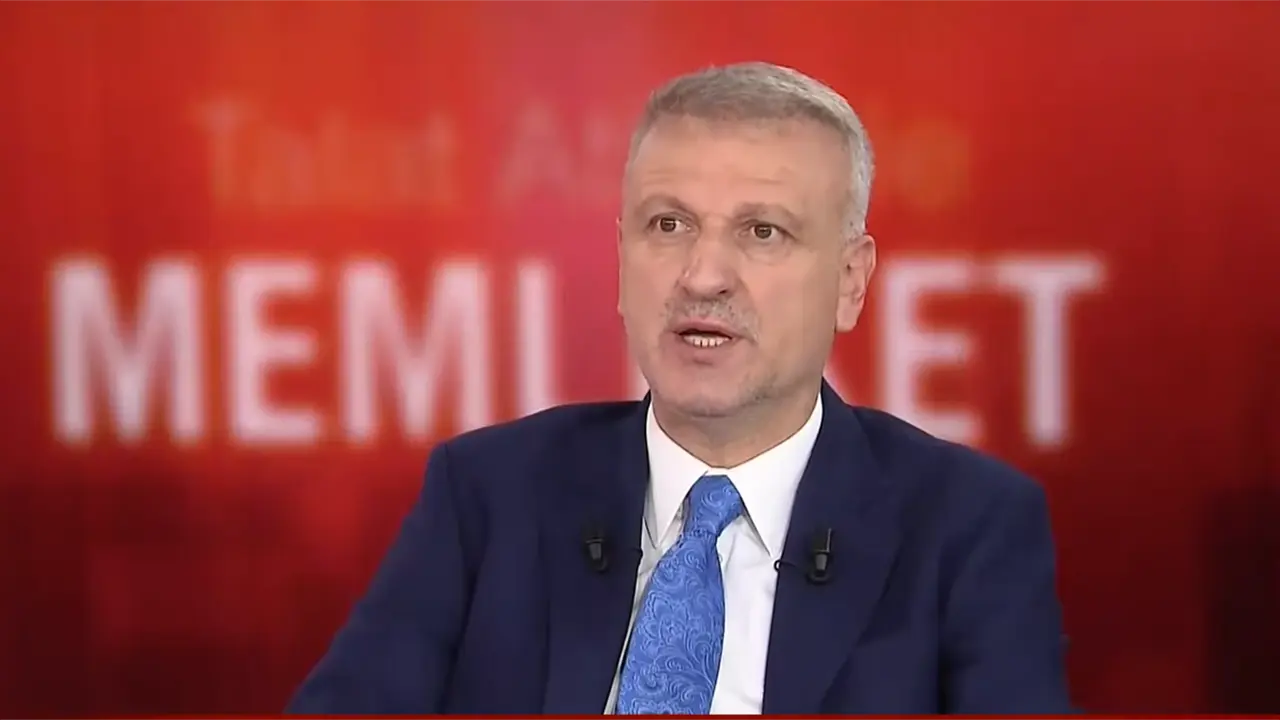
Oktay Saral, chief adviser to Turkish President Recep Tayyip Erdoğan, has lost his position after criticising Azerbaijani authorities over restrictions on the wearing of hijabs in schools. His departure has become one of the most prominent episodes in the deterioration of relations between Ankara and Baku, which has been accompanied by accusations from Azerbaijan of interference in its internal affairs and fierce anti-Turkish rhetoric in pro-government Azerbaijani media.