More Than 9,500 Troops from the North Caucasus and Southern Russia Officially Confirmed Killed in the War in Ukraine
As of late July, regional authorities and security agencies had officially confirmed the deaths of at least 9,508 service members from the North Caucasus Federal District and the Southern Federal District.
The latest update follows a new series of official announcements reporting the posthumous presentation of state awards to the families of fallen soldiers. Over the past several days, authorities confirmed the deaths of four service members from Dagestan, three from Kabardino-Balkaria, and three from the Volgograd region.
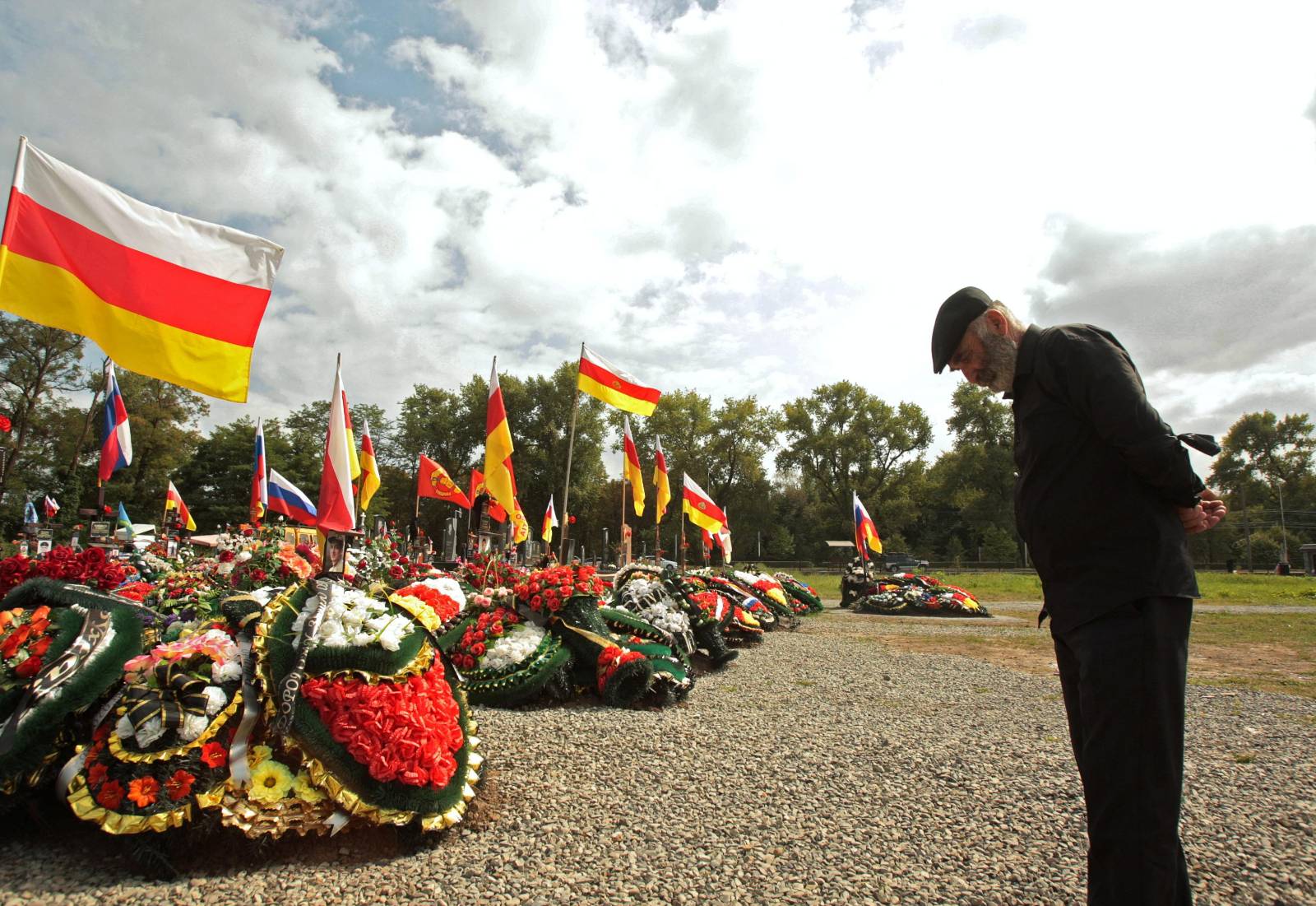
Within the North Caucasus Federal District, the deaths of 4,733 service members have been officially acknowledged. Dagestan accounts for the highest number of confirmed fatalities, with at least 2,050 deaths. It is followed by Stavropol Krai (966), North Ossetia (589), Kabardino-Balkaria (460), Chechnya (265), Ingushetia (205), and Karachay-Cherkessia (200).
In the Southern Federal District, authorities have officially confirmed the deaths of at least 4,776 service members. The Volgograd region has recorded the largest number of confirmed fatalities (1,819), followed by the Rostov region (956), Krasnodar Krai (873), Astrakhan region (752), Kalmykia (235), and Adygea (141).
Taken together, the two federal districts have now officially acknowledged the deaths of more than 9,500 participants in Russia’s war against Ukraine.
The Russian government does not publish comprehensive data on military casualties, prompting independent media outlets to compile their own estimates using publicly available information.
According to Kavkazsky Uzel (Caucasian Knot), which maintains a name-by-name database based on official announcements by regional authorities and security agencies, the actual death toll is likely to be significantly higher. The outlet notes that many regions do not consistently disclose information about military casualties.
This is particularly evident in Chechnya, where official reports of military deaths have largely disappeared since 2023 after regional leader Ramzan Kadyrov urged officials not to publish information about battlefield losses.