Chechnya once again leads Russia in terms of alcohol consumption

Chechnya has maintained its status as Russia's least drinking region. According to Russian Ministry of Health data for July 2026, the republic's per capita alcohol consumption was only 0.02 liters—the lowest in the country.

Regions in the North Caucasus also ranked high: Ingushetia had 0.62 liters, and Dagestan had 0.88 liters. The top six regions with the lowest alcohol consumption also included Kabardino-Balkaria (2.05 liters), Karachay-Cherkessia (2.71 liters), and Stavropol Krai (3.45 liters).

Chechnya has maintained its lowest alcohol consumption for several years. In 2023, alcohol consumption in Chechnya was 0.21 liters of pure alcohol per person over 15 years old. This was the lowest among Russian regions. By March 2025, the figure was 0.13 liters of ethanol per capita, and in 2026, it dropped to 0.02 liters.

In March of this year, Ingushetia and Dagestan followed Chechnya in the rankings, while the figures for Kabardino-Balkaria and Stavropol Krai were slightly higher than in the July statistics.

The North Caucasus regions as a whole regularly rank among Russia's leaders in other indicators related to the prevalence of harmful habits. For example, Chechnya previously secured first place in the country for the lowest smoking prevalence among adults. In July, the percentage of smokers in the republic over 18 years old was 0.37%, while in February this figure was estimated at 0.62%. Following Chechnya in the rankings of regions with the lowest smoking prevalence in July were Kalmykia, Krasnodar Krai, Ingushetia, and Dagestan.

On September 1, alcohol sales restrictions imposed by local authorities on Knowledge Day will be in effect in 60 regions of Russia. However, Chechnya is not among them: as in Moscow, St. Petersburg, Krasnodar Krai, Tatarstan, Yakutia, Tuva, North Ossetia, and Kabardino-Balkaria, alcohol sales in the republic will be permitted on September 1.
Последние новости
Residents of North Ossetia and Chechnya urge against inciting interethnic conflict following the wounding of Islamov
Society
Residents of North Ossetia and Chechnya urge against inciting interethnic conflict following the wounding of Islamov
20 October 2026

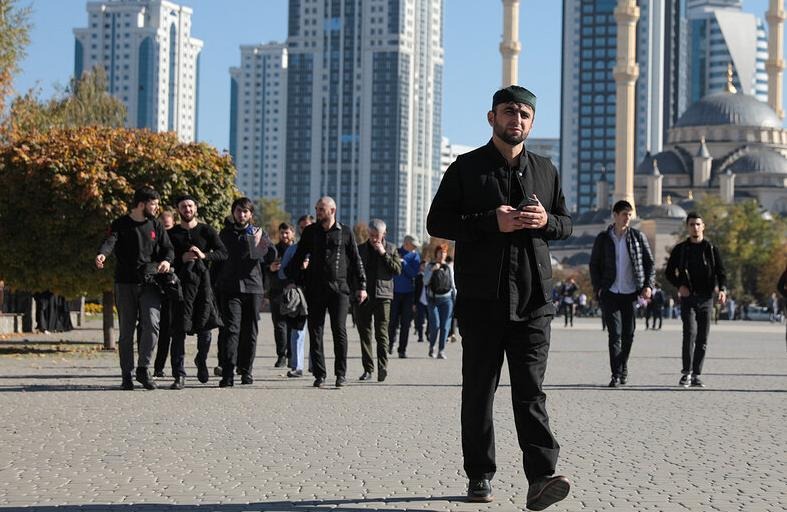
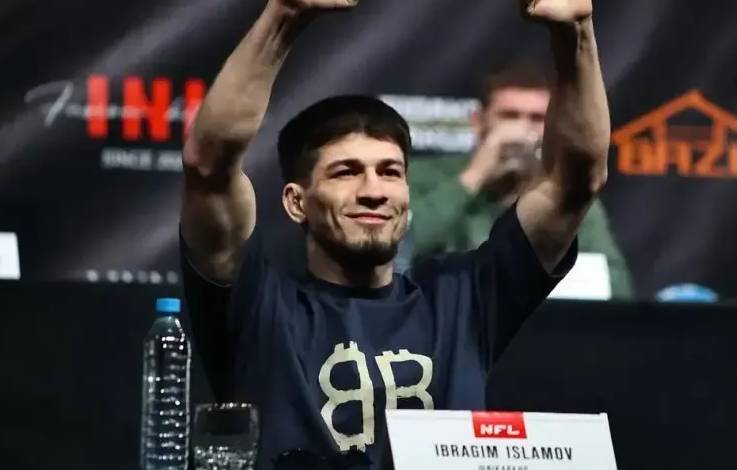
Following the wounding of Chechen MMA fighter Ibragim Islamov—known by the nickname "Nikarkho"—residents of Chechnya and North Ossetia have been discussing the circumstances of the incident. While accounts of what transpired vary, many public figures, bloggers, and social media users are urging against framing the conflict in terms of interethnic tensions.

EAEU Considers Suspending Armenia’s Participation Due to Its Pivot Toward the EU
Politics
EAEU Considers Suspending Armenia’s Participation Due to Its Pivot Toward the EU
20 October 2026

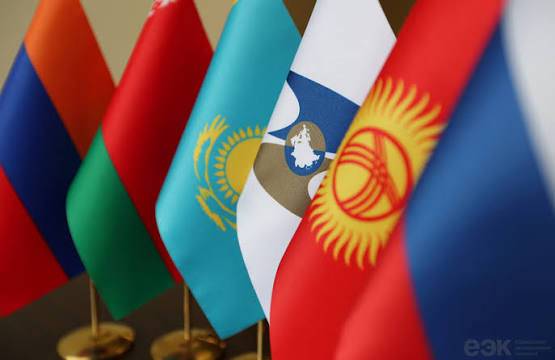
Russia, Belarus, Kazakhstan, and Kyrgyzstan believe that the member states of the Eurasian Economic Union (EAEU) have the right to collectively suspend the application of the union’s founding treaty with regard to Armenia. This possibility is outlined in a report by members of the Eurasian Intergovernmental Council representing these four nations, as cited by RIA Novosti.

Chechen authorities have denied reports that Ramzan Kadyrov’s son has established an armed unit
Politics
Chechen authorities have denied reports that Ramzan Kadyrov’s son has established an armed unit
20 October 2026

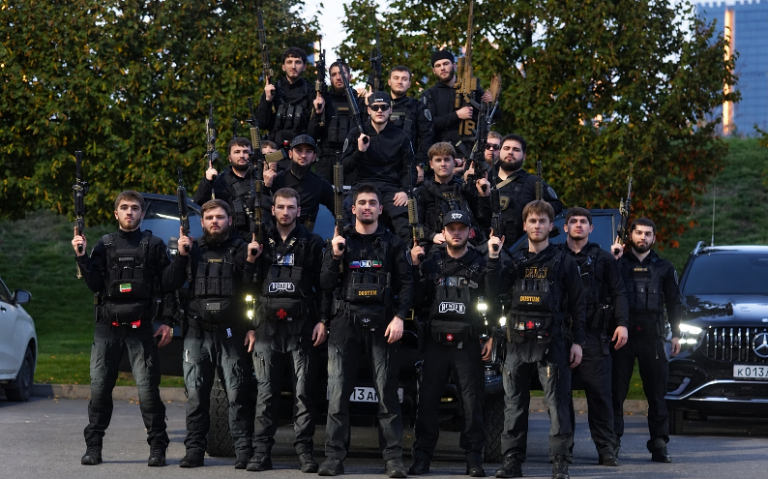
Adam Kadyrov, the 18-year-old son of the head of Chechnya, appeared in a photograph alongside a group of armed young men identified as members of the "K-13" team—a "unit founded by the grandson of the first President of the Chechen Republic, who also serves as the Secretary of the Security Council of the Chechen Republic."

Tbilisi and Brussels Exchange Accusations Over Legal Proceedings to Ban Opposition
Politics
Tbilisi and Brussels Exchange Accusations Over Legal Proceedings to Ban Opposition
20 October 2026

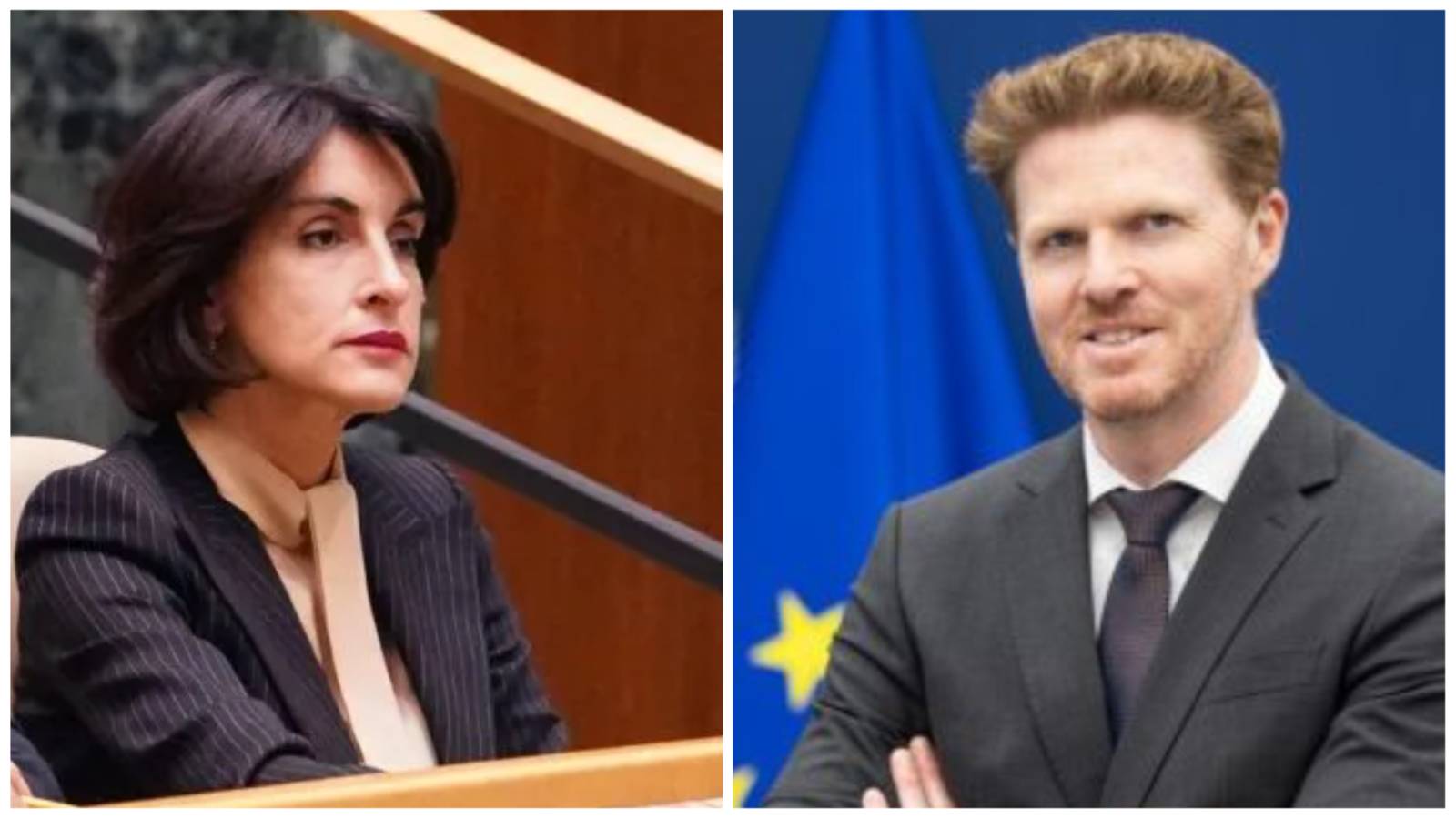
The Georgian Foreign Ministry has criticized statements made by the European Union regarding legal proceedings that could lead to the banning of five opposition parties. The ministry issued its response following comments made on October 19 by European Commission spokesperson Christian Wigand.