Turkish Lawmakers Call for Lifting Restrictions on Abkhazia
Lawmakers from several Turkish political parties have jointly called on the government to establish direct transport links between Turkey and Abkhazia and to recognize Abkhaz passports as valid travel documents. According to the Turkish newspaper Jineps Gazetesi, this is the first time such demands have been publicly voiced at the interparty parliamentary level.
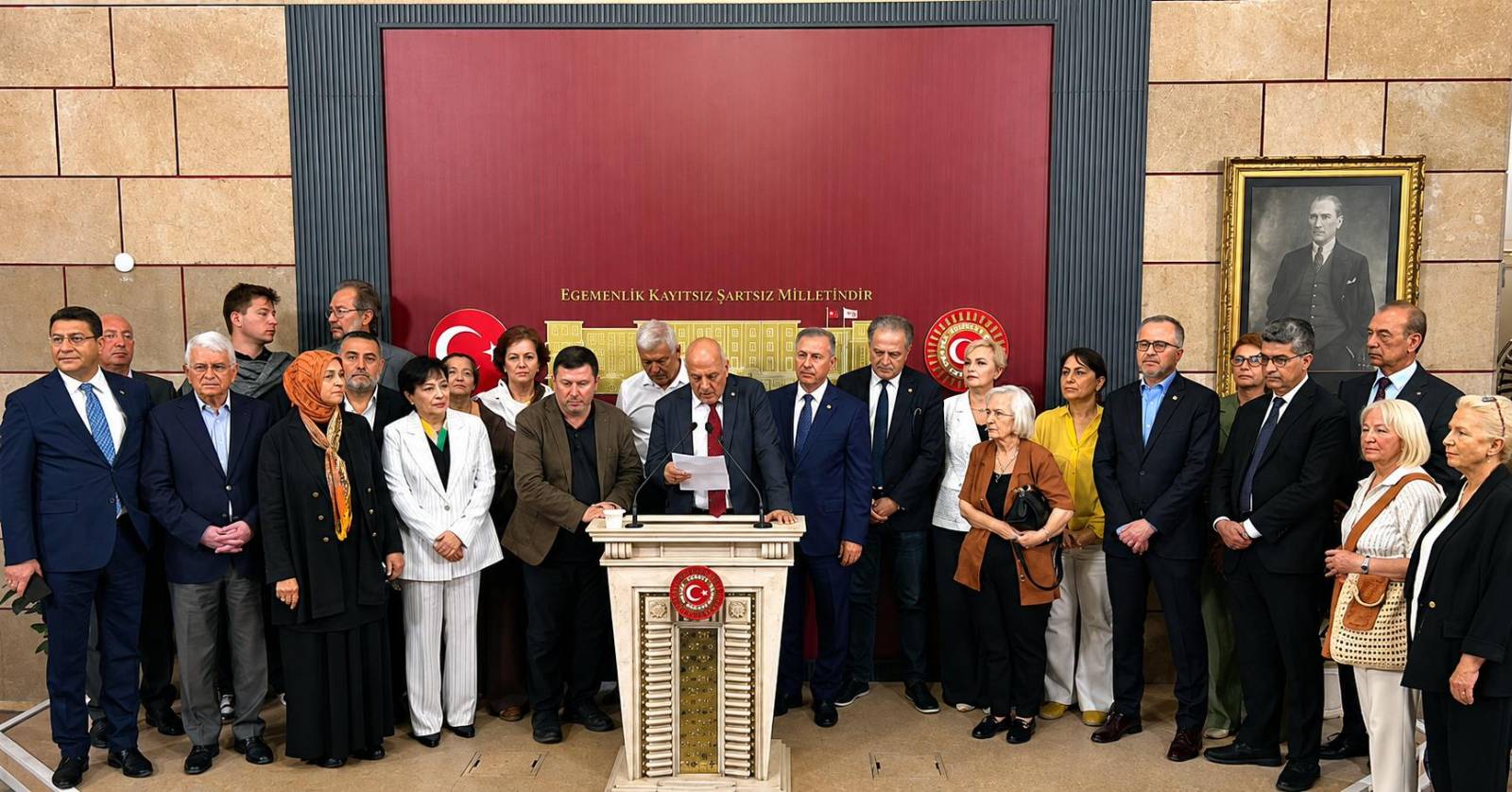
The statement was delivered on August 5 in the Grand National Assembly of Turkey as part of the "End the Isolation of Abkhazia" (Abhazya İçin İzolasyona Son) campaign. The initiative brought together lawmakers from the DEM Party, the Labour Party (EMEP), the Workers' Party of Turkey (TİP), DEVA, Yeni Yol and several other political groups.
The joint statement was read out by TİP lawmaker and journalist Ahmet Şık. Its authors described Abkhazia as Turkey's "Black Sea neighbor," emphasizing that many Turkish citizens have historical and family ties to the region.
The lawmakers also highlighted the large Abkhaz diaspora in Turkey. According to the statement, a significant portion of the Abkhaz population was forced to leave the Caucasus for what is now Turkey following the events of the 19th century, and today more people of Abkhaz origin live in Turkey than in Abkhazia itself.
The initiative's participants said that direct transport links between Turkey and Abkhazia continued for about three years after the 1992–1993 war before being discontinued. They argued that for nearly three decades Turkey has not recognized Abkhaz passports as valid travel documents and that humanitarian, cultural and commercial ties have remained well below their potential.
The lawmakers framed the existing restrictions primarily as a humanitarian issue. They said the lack of direct transport complicates access to medical treatment for patients from Abkhazia, limits educational opportunities abroad for students and makes it more difficult for families living on opposite sides of the Black Sea to maintain contact.
The statement called on the Turkish government to take two specific steps: recognize Abkhaz passports as valid documents for crossing Turkey's borders and immediately establish direct sea and air links with Abkhazia. As examples of engagement with territories or states that have limited international recognition, the lawmakers referred to Northern Cyprus and Taiwan.
The statement stopped short of calling on Ankara to formally recognize Abkhazia's independence. Instead, it focused on lifting transport and passport restrictions, although the broader "End the Isolation of Abkhazia" campaign also advocates international recognition of the territory.
Like the overwhelming majority of countries, Turkey officially recognizes Abkhazia as part of Georgia and supports Georgia's territorial integrity. Russia recognized Abkhazia's independence following the August 2008 war, and several other countries have done the same since then.
Against that backdrop, implementing the lawmakers' proposals could have implications beyond humanitarian issues. Establishing official direct transport links and recognizing Abkhaz passports would require Ankara to revise certain elements of its current policy toward Sukhumi.