EU highlights serious human rights concerns in Azerbaijan
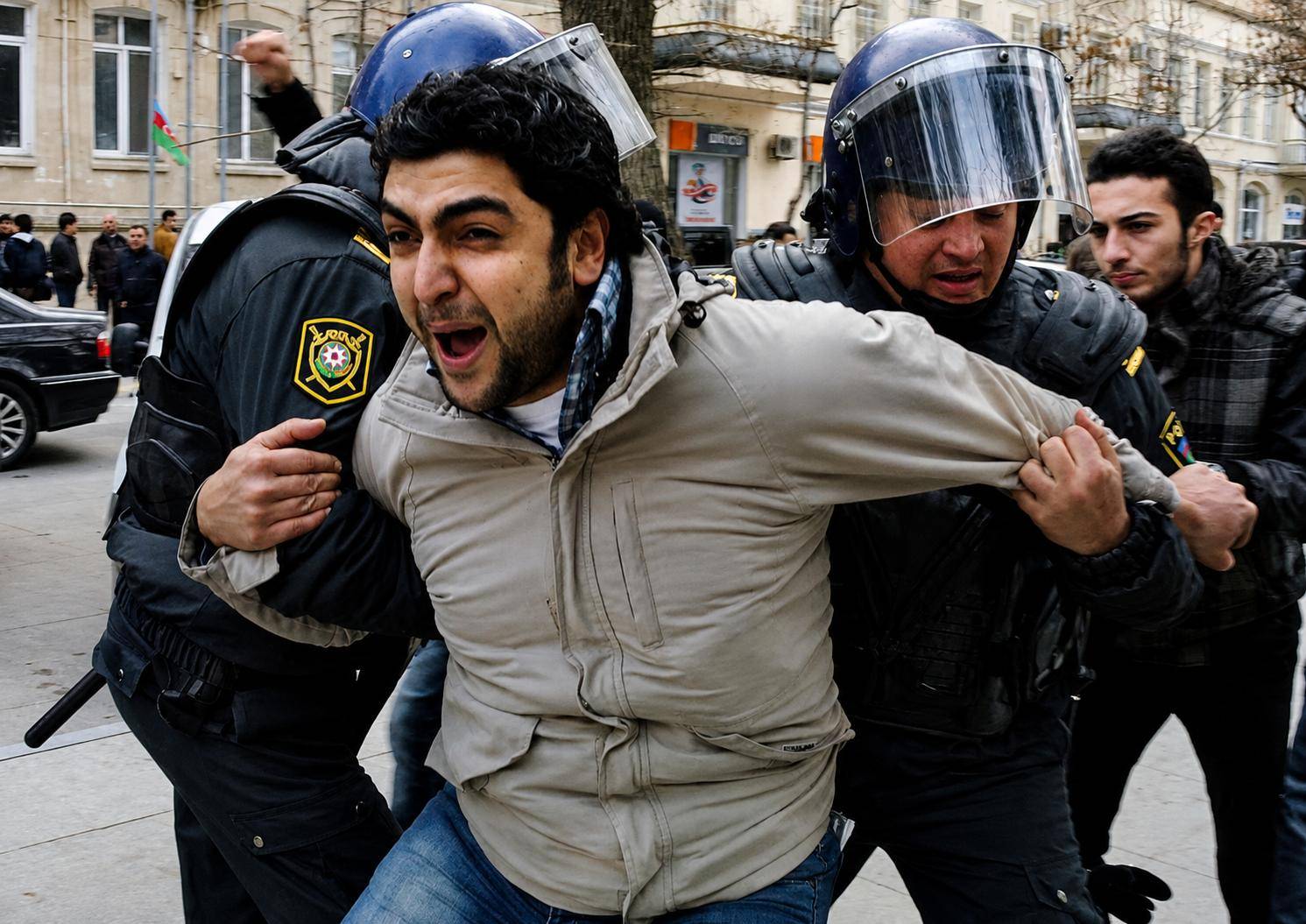
The European Union has highlighted persistent concerns over human rights and democracy in Azerbaijan, pointing to restrictions on independent media and civil society, concerns about judicial independence and problems with the implementation of European Court of Human Rights rulings.
The assessment is contained in the EU's annual 2025 report on human rights and democracy, published on Aug. 11. The report covers the situation both within the European Union and in countries around the world.
According to the EU, the space for independent civil society in Azerbaijan remained restricted. Non-governmental organisations continued to face difficulties related to legal requirements governing registration, reporting and the approval of foreign grants.
Brussels also pointed to restrictions on media freedom and pressure on independent organisations. The reduction of the international presence in Azerbaijan, including the closure of several United Nations structures, was cited as a further factor that had reduced opportunities for international monitoring and support for civil society.
The EU also focused on the rule of law. The report reiterates concerns about the independence of Azerbaijan's judiciary, particularly in politically sensitive cases, as well as the implementation of judgments by the European Court of Human Rights.
Problems also remain in the electoral sphere. The EU said there had been no substantial reforms addressing recommendations made by the OSCE Office for Democratic Institutions and Human Rights and the Venice Commission.
At the same time, Brussels noted several legislative changes. In July 2025, Azerbaijan introduced criminal liability for entering into marriage with minors. The authorities also adopted a National Action Plan on Gender Equality for 2026-2028.
Changes were also made to anti-corruption legislation, including mechanisms for protecting whistleblowers and managing corruption risks. The EU said, however, that implementation of the measures remained uneven.
Throughout the year, the EU continued to raise concerns with Azerbaijani authorities over due process, access to justice and fundamental freedoms. Brussels also said it would continue supporting human rights defenders, civil society and independent media.
Protecting freedom of expression, media freedom and digital rights remains among the EU's priorities. The European External Action Service identifies the protection of human rights defenders and civil society as a key area of its human rights policy.
Rights activists accuse EU of failing to put enough pressure on Baku
Azerbaijani activists, however, argue that criticism contained in EU reports is having an increasingly limited impact on Brussels' public policy towards Baku.
"The report identifies human rights problems in Azerbaijan and acknowledges the lack of genuine conditions for independent media and civil society organisations to operate. However, senior EU officials have stopped voicing such criticism publicly," a Baku-based activist told Kavkaz.Realii on condition of anonymity.
In the activist's view, energy, security, transport and geopolitical issues have taken precedence in talks with Azerbaijani authorities, while the situation of political prisoners, journalists and civil society is rarely discussed publicly.
On June 29, a group of Azerbaijani activists and human rights defenders living abroad appealed to European Commission President Ursula von der Leyen ahead of her visit to Baku, urging her to raise the issues of political prisoners, media freedom and civil society. The authors later said they had faced pressure as a result of the appeal.
This year, European Council President António Costa, EU foreign policy chief Kaja Kallas and von der Leyen have visited Azerbaijan. Their talks have focused primarily on energy security, Azerbaijani gas supplies to Europe and the development of the Middle Corridor.
On June 2-3, Azerbaijan and the EU also held another round of talks in Baku on a new comprehensive agreement and Partnership Priorities for 2026-2030.
With Azerbaijan's role in European energy security and transport logistics growing, human rights defenders are urging Brussels not to separate the development of relations with Baku from the country's human rights record.